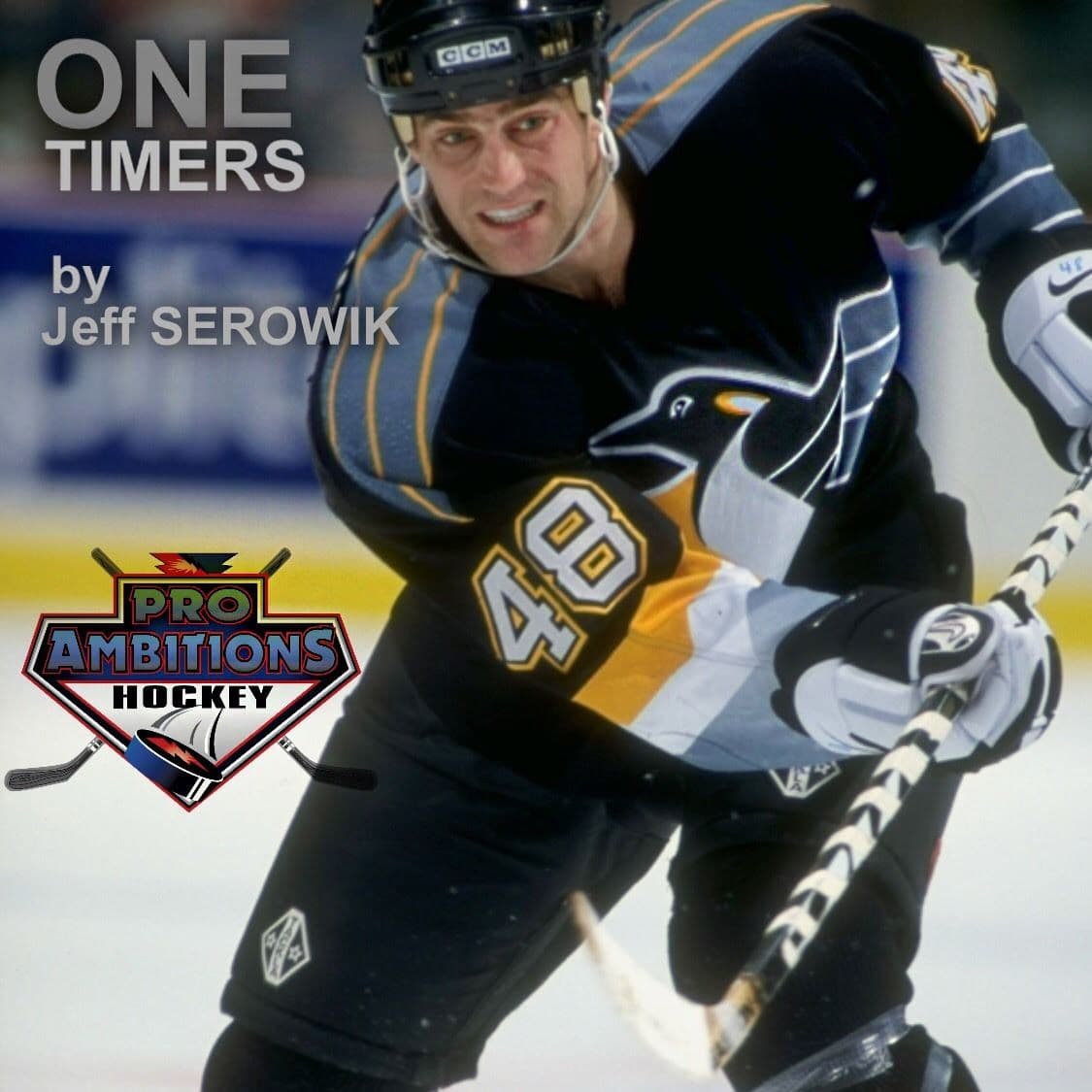
Hockey Tip: Backhands Through Self Discovery Training
Discover why backhands are a crucial yet disappearing skill in youth hockey. Learn Jeff Serowik's proven self-discovery training methods to develop a lethal backhand shot through uncomfortable practice situations.
June 30, 2026
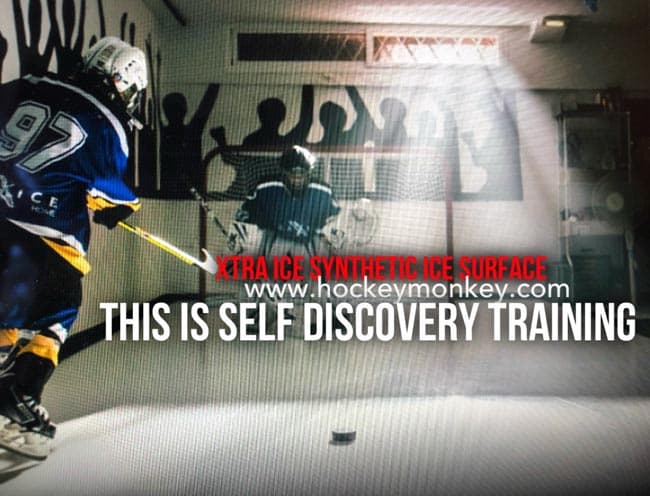
Backhands Through Self Discovery Training
Goalies do not like backhand shots. The reason is simple: they are unpredictable. The puck moves differently off the backhand, it releases at odd angles, and most goalies see far fewer of them than they do wrist shots or slap shots. That unpredictability is exactly what makes the backhand a weapon.
The backhand is a disappearing art in youth hockey development. That is a mistake. Players are skipping over this shot because it is hard and uncomfortable, and that is precisely why you need to own it.
--
Why the Backhand Matters
This is a weapon of a shot. Hard to get power on, yes. But when you develop a legitimate backhand, you become a player that defenders and goalies genuinely have to respect. Most kids at the youth level cannot shoot a backhand with any real threat. If you can, you have a built-in advantage every time you get to the net.
The players who make it to the next level are not the ones who only shoot off their forehand from the top of the circles. They are the ones who can finish from everywhere, in tight, off balance, on the backhand, in traffic. Start building that shot now.
--
How to Train Your Backhand
Use Weighted Pucks
One strategy I use is weighted pucks. When you shoot backhands with a heavier puck, you are forcing your hands and wrists to work harder to generate any kind of release. When you switch back to a regulation puck, it comes off your blade with a vengeance. The contrast is significant. Your hands get stronger, your release gets quicker, and the shot carries more zip.
Work From Uncomfortable Positions
The best way to work on your backhand is at home, in the garage, on your own. No coach. No tutor. Not at a skill session. Try shooting 25 backhands while standing on one foot, off balance. Shoot from your knees. Shoot while moving laterally. Backhands in general are uncomfortable, and you need to practice them in uncomfortable positions because that is when they actually show up in a game.
If you only practice your backhand standing still with a perfect setup, you are not preparing yourself for anything real.
Use the Mr. Assist Tool
This is why I love the Mr. Assist Stickhandling Shooting and Passing Tool for backhand development. Many shots made while using the Mr. Assist do not boomerang back to you perfectly. That is the point. It comes back through your legs, to your forehand, then to your backhand, forcing you to shoot and stickhandle on both sides. You cannot cheat it. You cannot set up for every rep the same way.
Perfect passes are not the norm in a game. This tool trains your hands to handle the imperfect pass and still make a play. Use it consistently and your hands will improve. I hear from kids all the time about their backhand improvement through self exploration because they were putting in time with the Mr. Assist. The results speak for themselves.
--
Self Discovery Is the Real Teacher
When I talk about self exploration, I mean practicing on your own. No coach telling you what to do on every rep. No instructor watching your every move. Just you, a puck, and a net or a board.
Train with your team. Train at camps. Train at privates. But the most important training you will ever do is by yourself, at home. Watch games. Watch your own film. Go in the garage, the driveway, the basement. Practice. Repetition. Figure things out on your own.
My favorite person to coach and train with is my daughter Pia. I made her a makeshift training turf in our basement ten years ago. She would be down there for hours, making videos, dancing, shooting. Over Covid we turned our barn into a turf complex as a family project. She loves being in there. Still shooting, practicing, self discovering. She is a field hockey player at BC now. Still hockey, just a different kind. Amazing what happens when you give a kid a space and let them go.
That is what self discovery does. It builds ownership over your own game. Nobody can give you that. You have to find it yourself.
--
Frequently Asked Questions
Why is the backhand shot so hard to develop?
The backhand is uncomfortable by nature. Your body mechanics are working against you compared to a forehand shot, and most players do not practice it nearly as much. The lack of repetition is the biggest issue. Players avoid it because it feels awkward, but that feeling goes away with consistent work. The shot becomes natural when you stop waiting for a coach to make you practice it.
How many backhand shots should I take in a practice session?
There is no magic number, but 25 to 50 focused reps per session is a solid place to start. The key word is focused. Do not just go through the motions. Vary your positions, try them off balance, try them from different angles. Quality and variety matter more than grinding out a hundred sloppy shots with bad habits.
Can I really improve my backhand by training at home without a coach?
Yes, and in some ways you improve faster because you are forced to problem-solve on your own. A coach can show you technique, but self discovery builds a different kind of understanding. You figure out what works for your body, your release, your positioning. That knowledge sticks. Get to the garage or basement and put in the work.
What age should a player start focusing on their backhand?
As soon as a player is comfortable on skates and handling the puck, the backhand should be part of their training. There is no reason to wait. The younger you start building the mechanics, the more natural it becomes. Do not let kids reach their teenage years without a functional backhand. By then, bad habits are already set and you are playing catch-up.
Apply It On The Ice
Ready to Put This Into Practice?
Pro Ambitions runs the largest youth hockey camp in North America. Train with coaches who wrote articles like this one.