Advice on the One Timer
Former NHL player Jeff Serowik shares his proven one timer techniques. Learn the progression, non-verbal communication, and practice methods that made this his specialty.
June 30, 2026
Learning From the Blue Line
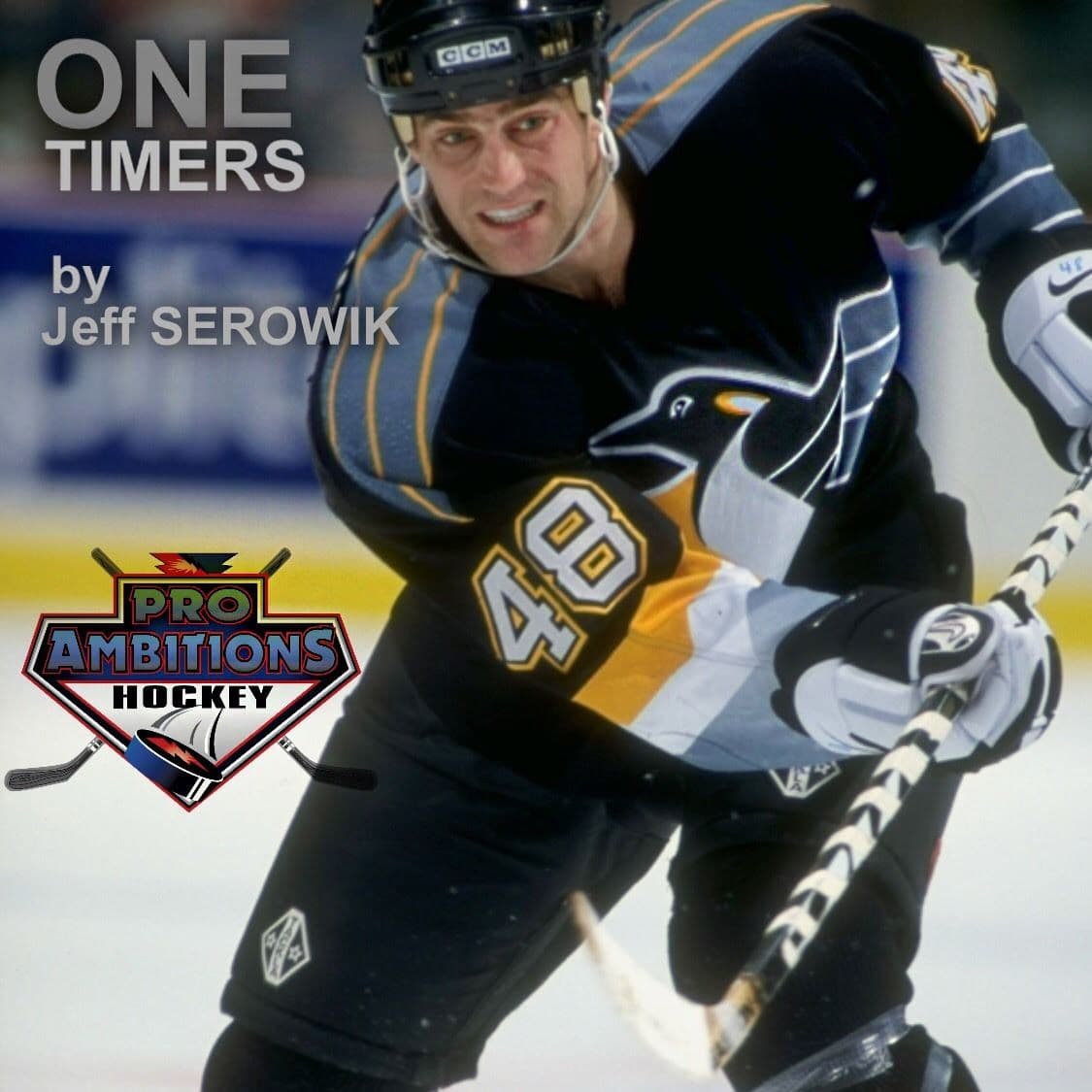
Watching the Hawks home opener with my wife last night. The Blues, Shattenkirk, went bar down with a one timer bomb on the Hawks net. My wife unknowingly gave me a huge compliment. "Hey Jeff remember those from the blue line?" That was my specialty on most teams I played on. My shot from the blue line and one timers.
I used to stay on the ice after practice day after day after day practicing one timers in particular. I would ask a teammate or assistant coach to stay out with me to rip passes at me to practice one timers. This is a hard shot to master. The players who make it look easy put in the invisible hours nobody sees. I love teaching one timers at my Defense camps and AAA Boston University camps in particular, because when a kid finally locks it in, you can see the confidence change in how they carry themselves on the ice.
Build the Foundation First
This shot is a progression on the learning curve. Do not try mastering this shot until you are proficient with your slap shot and snap shot. If your mechanics are shaky on those, the one timer will expose every flaw and build bad habits on top of bad habits. Get the basics locked in first. That is not optional.
One timers are lightning fast and the element of surprise is what makes it so difficult for goaltenders to defend against them. They do not have time to get set up. The shooter is setting him or herself up on the move. That combination of speed and timing is what separates this shot from everything else in your arsenal.
The Setup: Non-Verbal Communication
First, by non-verbal communication, give a glance to your teammate who has the puck. He or she will know you are ready as you speed up the ice parallel with him by the direction of your head. Most young players skip this step and wonder why the pass never comes at the right moment. Your body language is the play call. Use it.
I used to look at my teammate then take a quick glance at the net, because when the puck comes to you on the move you will be looking down at it, not the net. Quick check of my target, then I open up my body to prepare for the shot. My body will be facing the net. That quick glance at your target needs to happen before the puck arrives, not after. Once you are receiving the pass, it is too late to be searching for your spot.
The Mechanics of the Shot
No big wind up on the one timer. It is a half slap shot with a small wind up because you already have the velocity of the moving puck. That velocity will propel the puck, so scale back on your brute force. A lot of kids kill the shot by over-swinging. Trust the pass. Trust the redirect. Your job is to guide it with purpose, not overpower it.
Your hands are going to go to the target like a pitcher's hands go to the catcher's mitt on the follow through. That follow through is not a flourish. It is what keeps your shot on target and low when you want it low, up when you want it up.
Getting in Tight: Adjusting Near the Crease
If you are approaching the crease getting in tight for a one timer, get low. Adjust your lower hand down low on the shaft in case you get a bad pass. Getting low allows you to slide your hands. Standing straight up, you cannot slide your hands. Bad passes happen all the time at every level of hockey. The players who convert those chances are the ones who are already in position to handle imperfection.
Being low also keeps your weight balanced and your blade on the ice longer. That is what allows you to adjust late and still get a quality shot off.
Shoot With a Purpose
Shoot to score every time. Shoot with a purpose. Do not shoot to merely just hit the net. Pick a spot before the puck gets to you. Goalies see the shot that has no intention behind it and they read it. A purposeful shot, even if it misses, teaches you something. A lazy shot teaches you nothing.
You can practice one timers with friends in the basement, garage, and driveway while playing street hockey with tennis balls. I did. Repetition away from the rink is where most of the real development happens for dedicated players.
Frequently Asked Questions
When should a player start learning the one timer?
Once you have a solid slap shot and snap shot, you are ready to start working on it. If those are not consistent, the one timer will not be either. For most players, that foundation is built somewhere in the Bantam range, but it depends on the individual. Do not rush it.
Why do one timers work so well against goalies?
The goalie cannot get set. On a normal shot, they track the puck and time their positioning. On a one timer, the puck is already moving when it gets to the shooter, and the shooter releases it fast. There is no time for the goalie to reset. The speed of the puck combined with the shooter's movement makes the angle and release point almost impossible to read in time.
How do I practice one timers without ice time?
Street hockey is where I put in a lot of my own reps growing up. Use a tennis ball in the driveway or basement. Have a friend feed you passes and focus on your footwork, body position, and follow through. The mechanics transfer. You do not need ice to build muscle memory on this shot.
What is the most common mistake players make on one timers?
Over-swinging. Players think they need to add power on top of a moving puck and end up pulling the shot wide or whiffing entirely. The puck already has velocity. Your job is to redirect that energy with good timing and proper follow through. Cut the wind up down and let the pass do half the work.
Apply It On The Ice
Ready to Put This Into Practice?
Pro Ambitions runs the largest youth hockey camp in North America. Train with coaches who wrote articles like this one.