Hockey Tip: Puck Pursuit
Watch how young players master puck pursuit through battle-tested drills at Pro Ambitions Hockey camps. Learn the fundamentals of winning puck battles, protecting possession, and transitioning to defense—proven techniques from our Battle Campers.
June 30, 2026
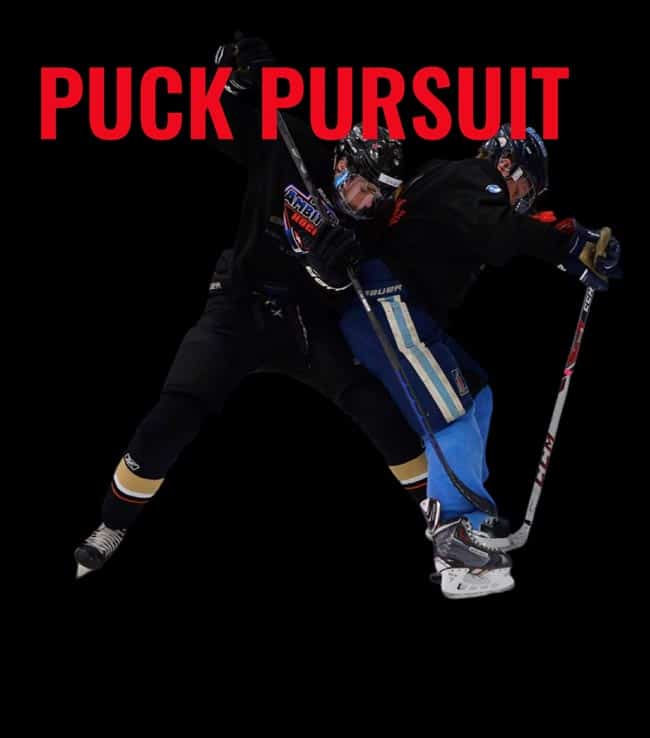
Puck Pursuit
We have a Battle Camper that came to us for multiple weeks to train. We are broken into small group stations at camp. We all noted this guy Steven who took his battle with his partner and puck pursuit through five stations and ended up behind the net on the opposite end of the sheet. He is eight. Wrecking ball. Pacman. These two would not give up the battle. Awesome.
That kind of compete level is rare at any age, let alone eight years old. What Steven showed us is something you cannot fully teach in a drill. You can create the environment, put the pressure on, and build the habits, but that hunger to win the puck has to come from somewhere inside. Our job at camp is to make sure that fire gets fed, not put out.
--
What Puck Pursuit Actually Means
Puck pursuit is not just chasing the puck. It is reading where the puck is going before it gets there and beating your opponent to that spot. Most young players react. The best players anticipate. That is the difference between always being a step behind and winning battles consistently along the wall and in the corners.
When we talk about puck pursuit at Battle Camp, we mean full commitment. You do not slow down as you approach the puck. You do not drift. You come hard, you come with purpose, and you finish the battle.
--
The Core Skills We Build
Puck Pursuit and Pressure
Come in on an angle with puck pressure. Do not skate straight at the puck carrier. Angle them off, cut down their space, and force them to make a mistake. Players who approach in straight lines are easy to beat. Players who use their body position and skating angle to take away options are hard to play against.
Puck Protection
Once you get the puck, you have to keep it. That means getting your body between the puck and the defender, feeling pressure without panicking, and making a smart decision under contact. Protection is not standing still and hoping. It is active, physical, and requires balance and lower body strength that we work on constantly.
Puck Possession
Puck possession is everything. Every time your team has the puck, the other team cannot score. It sounds simple because it is, but players at every level give it away carelessly. We train players to value possession the same way they value scoring. Winning battles and protecting the puck are just as important as putting it in the net.
Defending After the Battle
Once the battle is won or lost and a player gets the puck, we learn to defend. If you lose the puck, your job is not to hang your head. Your job is to get your stick in a lane to stop the pass and put yourself in position to re-engage. We then introduce a second battle and go in for a second puck. That second effort habit is what separates players who compete for sixty minutes from players who only show up in spots.
Sticks in lanes to stop passes is a skill that does not get enough attention at the youth level. Positioning your stick correctly cuts off options before the puck even moves. It is quiet work that wins games.
--
How Battle Camp Is Structured
All Battle Camps are broken down into sub groups of five by age and skill. After the first day we assess and move players up or down, and we never hold a player back who is up for a challenge. Some kids come in and we know immediately they need to be pushed harder. We act on that fast.
The camp is layered by a head coach, a skating coach, and a goalie coach on top of that. Everyone has a role and everyone is accountable. Your group of five coach is responsible for your after-camp online evaluation, which is an invaluable take-home for an assessment of what needs to be further worked on. Parents get something real to take home, not a generic report card. Specific feedback on specific skills so the player knows exactly what to keep grinding on when they leave.
We build it this way because five players to one coach means nobody hides. You cannot coast in that environment. You get seen, you get corrected, and you get better.
--
→ View All Pro Ambitions Camps and Programs
--
Frequently Asked Questions
What is puck pursuit and why is it important in hockey?
Puck pursuit is the ability to track, chase, and win battles for loose pucks. It matters because possession drives everything in hockey. Teams that win more puck battles control more of the game. For younger players especially, developing the habit of going hard to the puck every single time builds a compete level that carries through every level of the sport.
At what age should players start working on puck battles and pursuit drills?
We work on it with players as young as eight, as you saw with Steven. The concepts can be taught early and the habits form faster when you start young. You are not just teaching a skill, you are building a mindset. The earlier that mindset gets locked in, the better.
How do small group training sessions help with puck pursuit development?
When you have five players in a group instead of twenty, every rep counts. There is nowhere to drift, no line to hide in, and no down time to check out. Players get more touches, more battles, and more direct coaching feedback in a single session than they would in a full team practice. The intensity is higher and the learning sticks.
What should I look for in a hockey battle camp?
Look for small groups, qualified coaches at multiple positions, and an assessment system that gives you honest feedback after the camp ends. Any program can put kids through drills. The right program tells you what actually needs work and gives you a plan for what comes next.
Apply It On The Ice
Ready to Put This Into Practice?
Pro Ambitions runs the largest youth hockey camp in North America. Train with coaches who wrote articles like this one.