Hudson Bay Rules
Discover Hudson Bay Rules: the intense, aggressive style of play that defines playoff hockey. Jeff Serowik breaks down how to dominate the dirty areas in front of the net where real goals are scored.
June 30, 2026
What Are Hudson Bay Rules?
Hudson Bay Rules is an informal term in hockey that means the referee puts his whistle away. No calls. Play through everything. You hear it in overtime, in the playoffs, when your team is down and needs a goal badly. It is a mindset as much as anything else.
I heard this phrase throughout my entire pro career. When a coach or a veteran said it, everyone on the bench knew exactly what it meant. It meant war in front of the net. It meant you were going to earn whatever you got out there.
The Man Who Defined It For Me
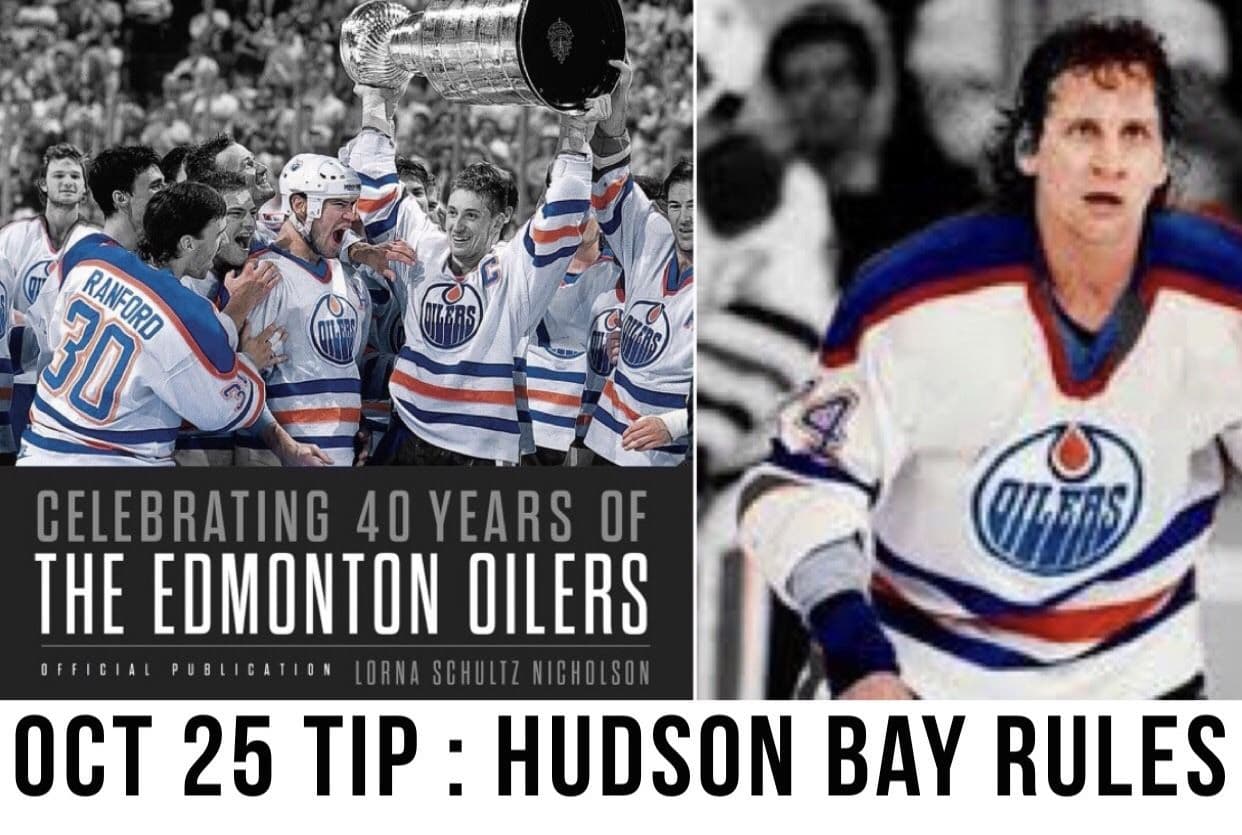
Kevin McClelland epitomizes Hudson Bay Rules for me. He was Wayne Gretzky's bodyguard, an enforcer who won four Stanley Cup rings. I played with him in the minors with the Toronto Maple Leafs AHL team. When he stepped on the ice with that mentality, you felt it. The whole bench felt it.
When Kevin or our coach called Hudson Bay Rules, the message was simple. Get to the dirty areas and stay there. Do not look for the easy play. Go where it hurts and be useful.
Playing the Dirty Areas
This is what we teach at our camps, and I mean we drill it. The front of the net is where games are decided. It is where you are going to get your points. It is also where most players, especially young players, do not want to be.
You have to be a honey badger in front of that net. Low, strong, sliding hands, ready for battle, ready for the shot, ready for the deflection. Eyes ready, feet moving, call out your defenseman, use your voice, use your body. That is Hudson Bay Rules.
As a defenseman, I was always reading my forwards before I fired from the point. I looked for who was low and ready, who was open on their forehand or backhand, who was on the move and looking back at me telling me they were set. That communication between the point and the net-front is a skill that has to be practiced deliberately.
Every team I played on, a coach or a veteran told me the same thing. Take some speed off your shot from the point so it is not sailing wild past everyone. A controlled shot that a teammate can deflect is worth ten bombs that go straight to the goalie. I worked with forwards after practice every day, firing shots at them from the blue line every which way, drilling tip-ins until they became second nature.
It Crosses Sports
I talk to my daughter about Hudson Bay Rules in front of the field hockey net. The concept is the same regardless of the sport. You have to be willing to be uncomfortable, to take contact, to fight for your position. That toughness is not something you either have or you do not. It is trained.
A Word of Caution From Back in the Day
There were guys in my era who took Hudson Bay Rules a little too literally. Some players sharpened the butt end of their stick and the toe of the blade for poking. I am not making that up. I am not mentioning any names, but they are big names. That is not something I recommend or teach. There is a line between playing hard and playing dirty, and knowing that line matters.
There were also many times that teammates and close friends would not talk to each other after practice because we went so hard in those situations. That is how intense it got. That is how seriously the best players take competing, even against their own guys.
Frequently Asked Questions
What does Hudson Bay Rules mean in hockey?
Hudson Bay Rules is an old informal term used in hockey to describe a style of play where the referee is letting everything go. No penalties are being called, physicality is at its highest, and every player on the ice knows it is time to compete at a different level. You hear it most often in overtime, playoff situations, or when a team is desperate for a goal. It is not a written rule. It is a culture and a mindset.
Why is playing in front of the net so important?
The front of the net is the most dangerous area on the ice for the opposing goalie. Tips, deflections, rebounds, and screens all happen there. It is also where players take the most abuse from defensemen trying to clear them out. Most goals at every level come from that area. If you can establish yourself there and battle through contact, you will produce. It is that straightforward.
How do I practice net-front play and tip-ins?
Stay after practice. Have a defenseman fire shots at you from the point while you work on getting your stick on pucks in different positions, forehand, backhand, on the move, stationary. The timing and hand position on a tip-in are real skills that take repetition to develop. You also have to practice taking contact while keeping your stick on the ice and your eyes on the play. It is uncomfortable work, which is exactly why most players skip it.
Is Hudson Bay Rules something coaches actually teach?
Yes. Not every coach uses that term, but every serious coach teaches the concept. We work on it directly at Pro Ambitions camps because it is a mentality gap for a lot of young players. They are talented but they avoid the hard areas of the ice. The players who make it to the next level are almost always the ones who are willing to go to those areas and compete when it gets physical. That willingness does not develop on its own.
Apply It On The Ice
Ready to Put This Into Practice?
Pro Ambitions runs the largest youth hockey camp in North America. Train with coaches who wrote articles like this one.