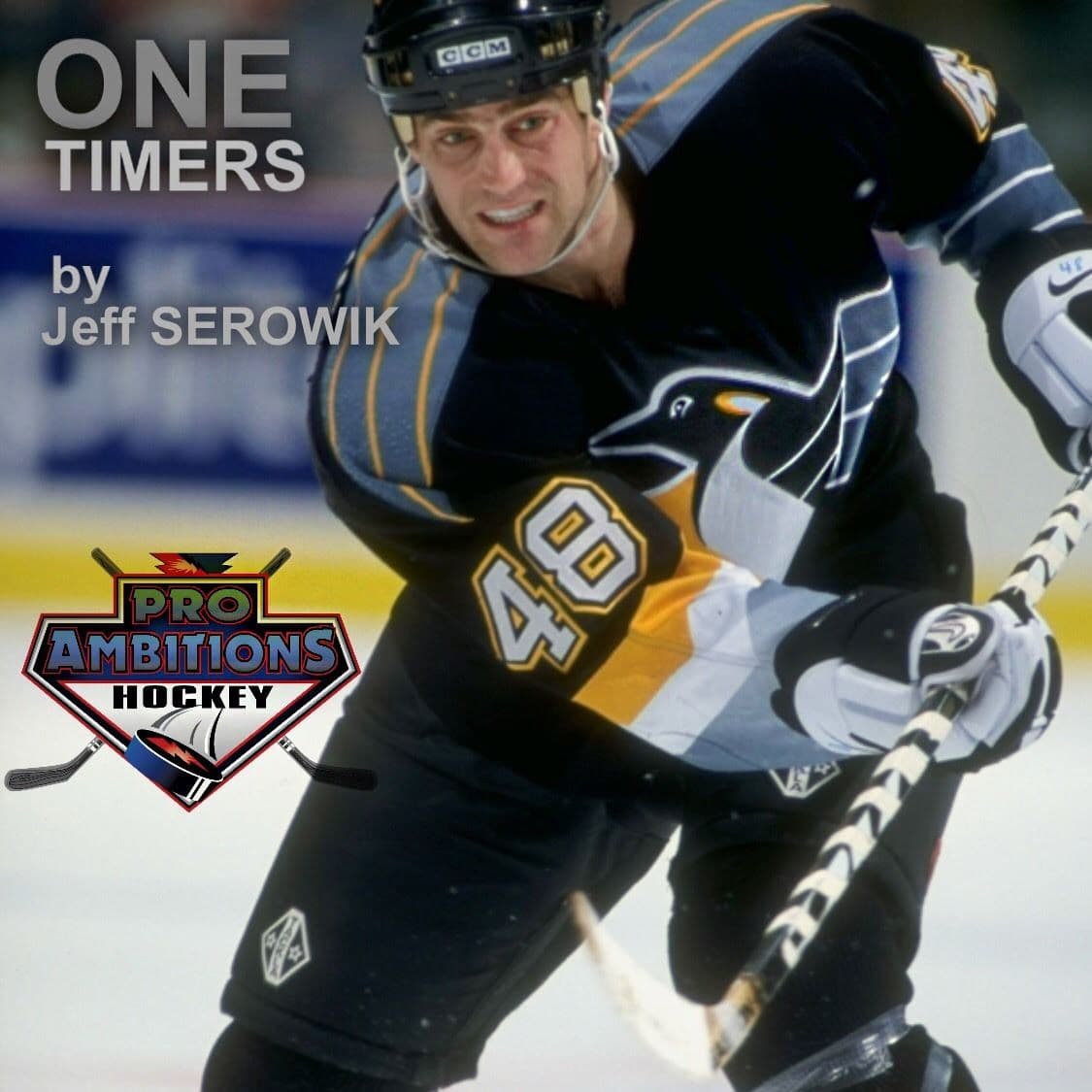
Gap Control for Defensemen By Pro Ambitions Hockey
Gap control separates elite defensemen from the rest. Learn the commitment, skating acceleration, and stick positioning techniques that Jeff Serowik has taught for 20 years.
June 30, 2026
Gap Control for Defensemen
Gap control is the most important hockey concept for defensemen to master. Best to learn it early on in youth hockey, understand it, apply it and begin early making good and brave choices in games. Gap control is the difference maker in the game of the defenseman.
The gap is the space between the forward with the puck and the defenseman. The defenseman needs to make a commitment in every one of these situations. This decision will result in a great play or getting beat. Once the commitment is made, go for it without hesitation. Half-committed is the worst place you can be. Pick your play and own it.
Skating
Absolutely integral for defensemen and forwards. Acceleration forward and backwards, pivots side to side. We work on skating acceleration techniques specifically in the gap. Over and over and over again. I literally have three stock acceleration skating moves that I have been teaching for twenty years. Think Tom Brady. THE GOAT but not the best runner. I like to compare this to defensemen. You don't have to be the best skater on the ice but you do need a few key skating maneuvers in your arsenal. We will master these accelerations and pivots together. Efficiency matters more than raw speed. A defenseman who knows exactly when and how to accelerate will beat a faster skater who guesses wrong every time.
Stick Positioning
Sounds easy to have your stick in front of you and always on the ice. Not so easy. Your stick is your most valuable weapon. We will learn where it should be in every defensive situation. We will talk about our defensive lanes up and down the ice. Your stick takes away passing and shooting options before the forward even decides what to do. That is a huge advantage if you use it right.
Eye Position
On your opponent's chest, not on the ice. Your opponent's chest will show you where he or she is headed. Stick is on the ice reading the puck. The chest does not lie the way the head and eyes do. A smart forward will deke with his head and shoulders, but his chest tells you the truth. Train yourself to read that and you will stop getting faked out of your skates.
Managing Fear of Getting Beat
This is the fear of all defensemen. Believe me I get it. That is why we plan our work and work our plan. Getting beat during practice is where we learn and master this skill together. Don't be afraid to get beat during practice in your regular season. Your coach should welcome this. He or she will see your commitment to the play and practicing aggressive gap control. The defensemen who never get beat in practice are usually the ones playing too safe. Safe does not develop you. Safe just delays the inevitable.
Dictating the Play
You as the defender are dictating where the forward goes. Your body and stick positioning will dictate the play. You must engage fully in the gap to dictate the play though. Just like rushing the net in doubles tennis. You are dictating how much time and space you are giving the forward. When you give too much space, you hand the forward all the options. Close that gap and suddenly he has one option, maybe two. You are in control now, not him.
Take Pride in Gap Control
Take pride in not getting beat. Unfortunately it is not a stat, but it will reflect in your plus/minus. Become obsessed with not getting beat. I was scared to death of getting beat, I am not going to lie. I think that is why I finally made it all the way to the NHL. It was an obsession with me beginning in prep school when I was moved back from forward to defense. Every battle you engage in during practice brings you one step closer to mastering the hardest skill for a defenseman. Gap control is not something you figure out once. You sharpen it your entire career.
Protect Your Home
Stay inside the dots. This is our house. Protect your home and your family inside those dots. Sometimes it gets dirty inside those dots. We will go over every situation inside the dots, including what I call the dirty area of the ice. It gets messy in the defensive zone. You have to be willing to block shots, take contact, and battle for position in those spaces. Most young defensemen drift away from the hard areas. The ones who learn to live in them are the ones who stick around.
Unbiased Assessment
We are here to help with unbiased sets of eyes. Never worry you are sending your player with anxiety about the pace or the competition. We will quickly assess his or her level and push him or her with the utmost positive reinforcement and group him or her accordingly. Every player who comes to us gets an honest evaluation, not a comfortable one. That honesty is what moves players forward.
--
Frequently Asked Questions
What is gap control in hockey and why does it matter for defensemen?
Gap control is the management of the space between you as a defenseman and the forward carrying the puck. Too much space and you give the forward time to make plays. Too little and you get blown past. It is the foundation of every defensive read you will make, and it directly affects how dangerous the other team is every shift.
At what age should young players start learning gap control?
As early as possible. The concepts are not too complex for young players if you teach them the right way. The earlier a kid understands commitment in a defensive situation, the fewer bad habits there are to break later. We start introducing these ideas at youth levels and build on them as the player develops.
How do I stop being afraid of getting beat one on one?
You practice it until it stops feeling like a crisis. Getting beat in practice is part of learning the skill. A player who never risks getting beat in practice never figures out where his limits are. Work the technique, trust the process, and understand that every rep makes the real game situation feel smaller.
Can a slower skater still be effective at gap control?
Yes. Gap control is about reads, angles, and timing more than pure speed. I was not the fastest skater in the NHL. What I had was a clear understanding of how to position myself and when to close. A player with smart positioning and quick acceleration in tight spaces will routinely outperform a faster skater who does not understand the gap.
Apply It On The Ice
Ready to Put This Into Practice?
Pro Ambitions runs the largest youth hockey camp in North America. Train with coaches who wrote articles like this one.