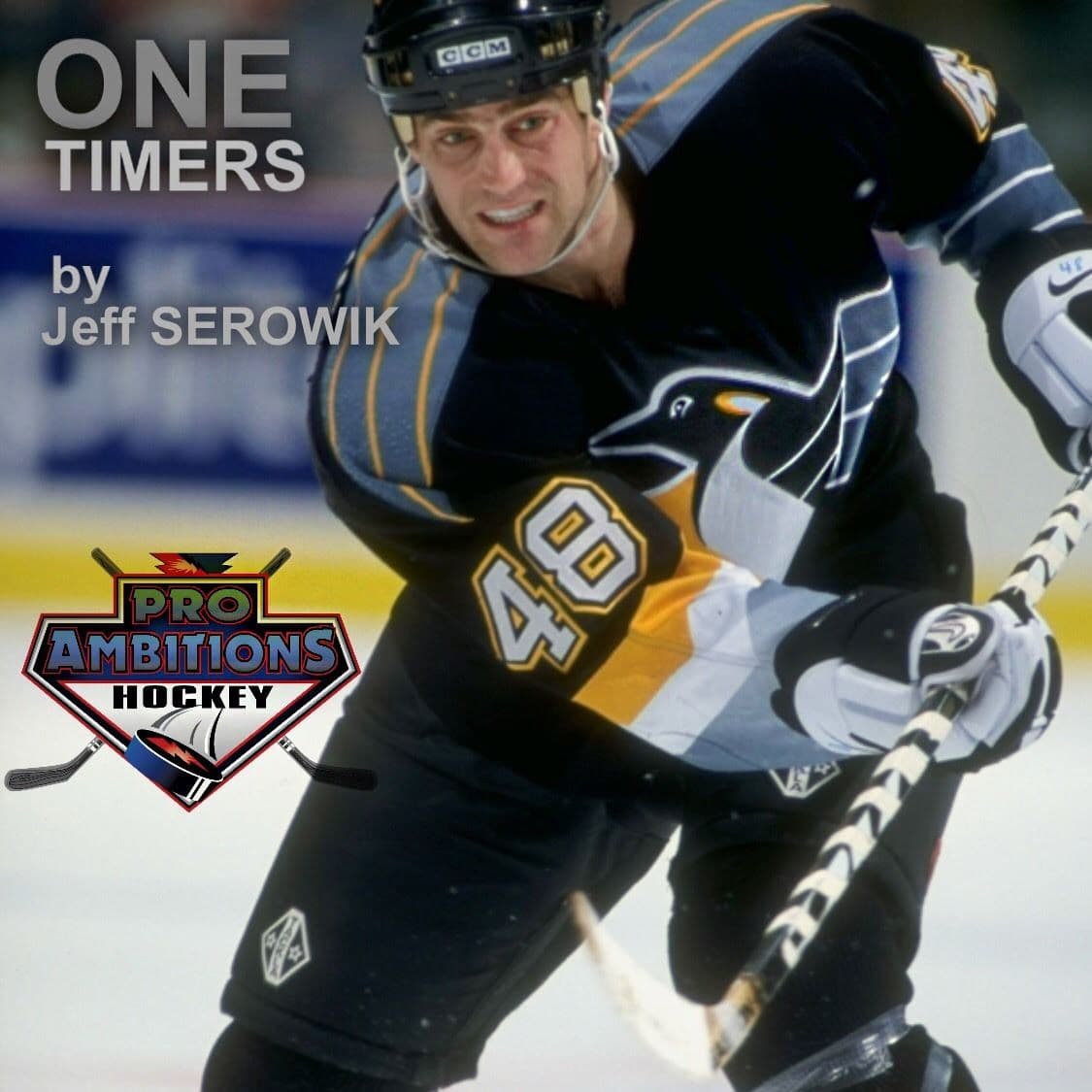
Gap Control for D
Gap control is the difference-maker for defensemen. Learn the essential positioning, acceleration techniques, and stick placement strategies that separate elite defenders from the rest.
June 30, 2026
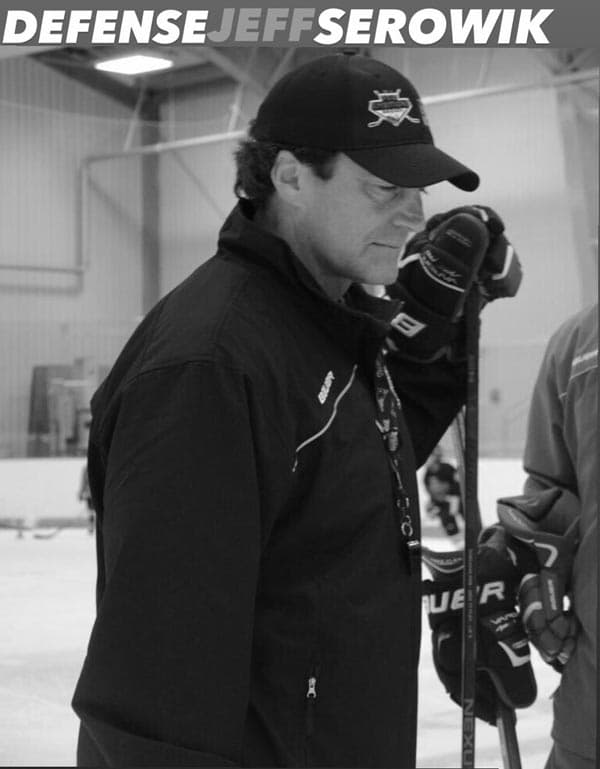
What Gap Control Actually Is
Gap control is the most important concept for defensemen to master. It is the difference maker at every level of this game. Best to learn it early, understand it deeply, and start making good and brave choices in games as soon as possible. The gap is the space between the forward with the puck and you, the defenseman. Every single time that situation develops, you need to make a commitment. That decision will result in a great play or getting beat. Once the commitment is made, go for it without hesitation. Half-measures get you burned every time.
The Skills That Make Gap Control Work
Skating
Skating is absolutely integral for both defensemen and forwards, but for a defenseman managing the gap, it is everything. Acceleration forward and backward, pivots side to side. We work on skating acceleration techniques specifically in the gap, over and over and over again. I have three stock acceleration skating moves that I have been teaching for twenty years. Think Tom Brady. The GOAT, but not the best runner. I like to compare that to defensemen. You do not have to be the best skater on the ice, but you need a few key skating maneuvers in your arsenal. Master those accelerations and pivots, and you will handle the gap with confidence. It is about efficiency, not raw speed.
Stick Positioning
It sounds easy to keep your stick in front of you and always on the ice. It is not. Your stick is your most valuable weapon in the gap. We work on exactly where it should be in every defensive situation, and we talk about your defensive lanes up and down the ice. The moment your stick comes up or drifts behind you, you have given the forward an invitation. Keep it active, keep it honest, and use it to take away passing and shooting lanes before the puck carrier even makes a decision.
Where Your Eyes Should Be
Your eyes go on your opponent's chest, not on the ice and not on the puck. The chest tells you where he or she is going. A good puck carrier will try to move your eyes with the puck. Do not let that happen. Keep your focus on the body, let your stick handle the puck, and you will be one step ahead of the move instead of one step behind it.
Overcoming the Fear of Getting Beat
The fear of getting beaten is real. Every defenseman feels it, including the ones who played in the NHL. That is why we plan our work and work our plan. I want players to get beat at my camps. That is where the learning happens. Do not be afraid to get beat at camp or during practice in your regular season. Your coach should welcome it. He or she will see your commitment and your willingness to play an aggressive gap, and that matters more than a clean practice stat line.
Take pride in not getting beat. It is not a tracked stat on the scoresheet, but it will absolutely show up in your plus/minus over time. Coaches notice. Scouts notice. Players who manage the gap well make their whole team better, and everyone in the building sees it.
You Are Dictating the Play
This is something young defensemen miss completely. You as the defender are dictating where the forward goes. Your body position and stick placement control the play, not the other way around. Think of it like rushing the net in doubles tennis. When you come in tight and engaged, you are taking time and space away from your opponent and forcing them into a decision they do not want to make. If you sit back and give them room, you have handed them the advantage before they even made a move. Engage fully, stay committed, and own the situation.
Protect the House Inside the Dots
Stay inside the dots. That is your house. Protect your home and your family inside those dots. The area in front of the net is dirty, contested, and critical. Give up that space and you are giving up goals. The best defensive defensemen I have ever seen understood that their job was to own that zone and make life miserable for anyone trying to set up shop in there. It is physical, it is mental, and it requires you to show up for that battle on every single shift.
How Pro Ambitions Helps You Build This Skill
At Pro Ambitions Hockey, we bring unbiased sets of eyes. Do not send your player to camp worried about the pace or the competition. We will quickly assess where he or she is, group them accordingly, and push them with positive reinforcement and real coaching. The goal is not to overwhelm anyone. The goal is to find your player's level, raise the bar, and build the habits that translate directly into games.
Frequently Asked Questions
What is gap control in hockey and why does it matter for defensemen?
Gap control is managing the distance between you and the puck carrier. Too much space and the forward has time to make plays. Too little and you are vulnerable to getting blown past. Learning to read that gap and close it at the right time, with the right body and stick position, is the foundational skill that separates good defensemen from great ones.
At what age should a young player start learning gap control?
The earlier the better. Even at the youth level, players can start understanding body positioning, skating angles, and how to take away time and space. The concepts scale with age, but building the habit early means it becomes instinct rather than something a player has to think through in the middle of a play.
How do you practice gap control off the ice or in drills?
Gap control is best trained through repetition in skating drills that specifically build acceleration and pivot technique, and through small-area competitive drills where defensemen are put in one-on-one situations under pressure. At camp, we isolate those moments on purpose so players get hundreds of quality reps instead of just a handful in a scrimmage.
Is it okay if my kid gets beat during gap control drills?
Not only is it okay, it is part of the process. Getting beat in practice is how you find the edge of your ability and push past it. A player who never gets beat in drills is probably not taking enough risk. We want aggressive gap control habits, and building those habits means you will get beat sometimes. That is how you get better.
Apply It On The Ice
Ready to Put This Into Practice?
Pro Ambitions runs the largest youth hockey camp in North America. Train with coaches who wrote articles like this one.