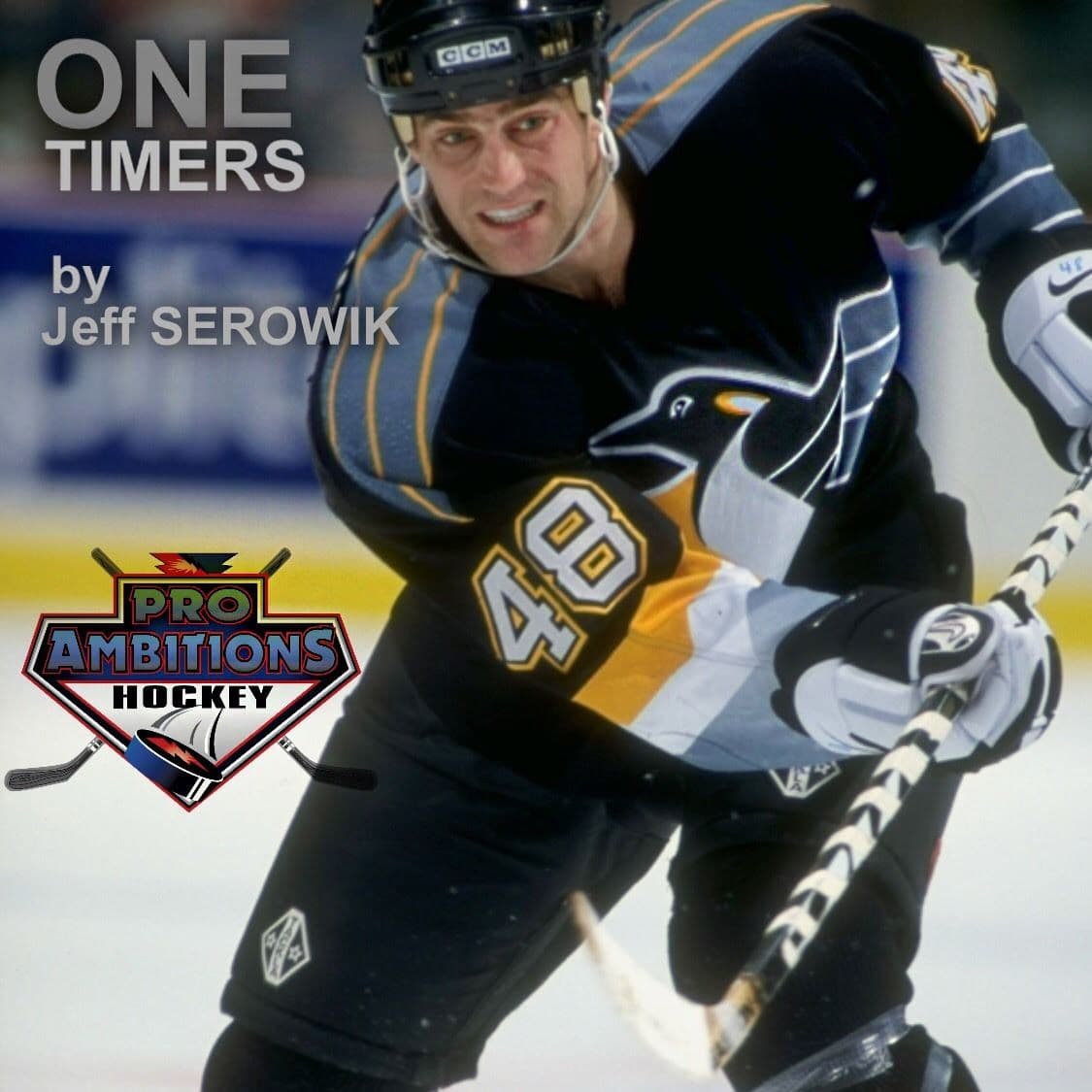
Backhands through Self Exploration
Backhands are a disappearing art in youth hockey—but they shouldn't be. Jeff Serowik shares how self-exploration and unconventional practice methods like weighted pucks and the Mr. Assist tool transform backhand accuracy and power.
June 30, 2026
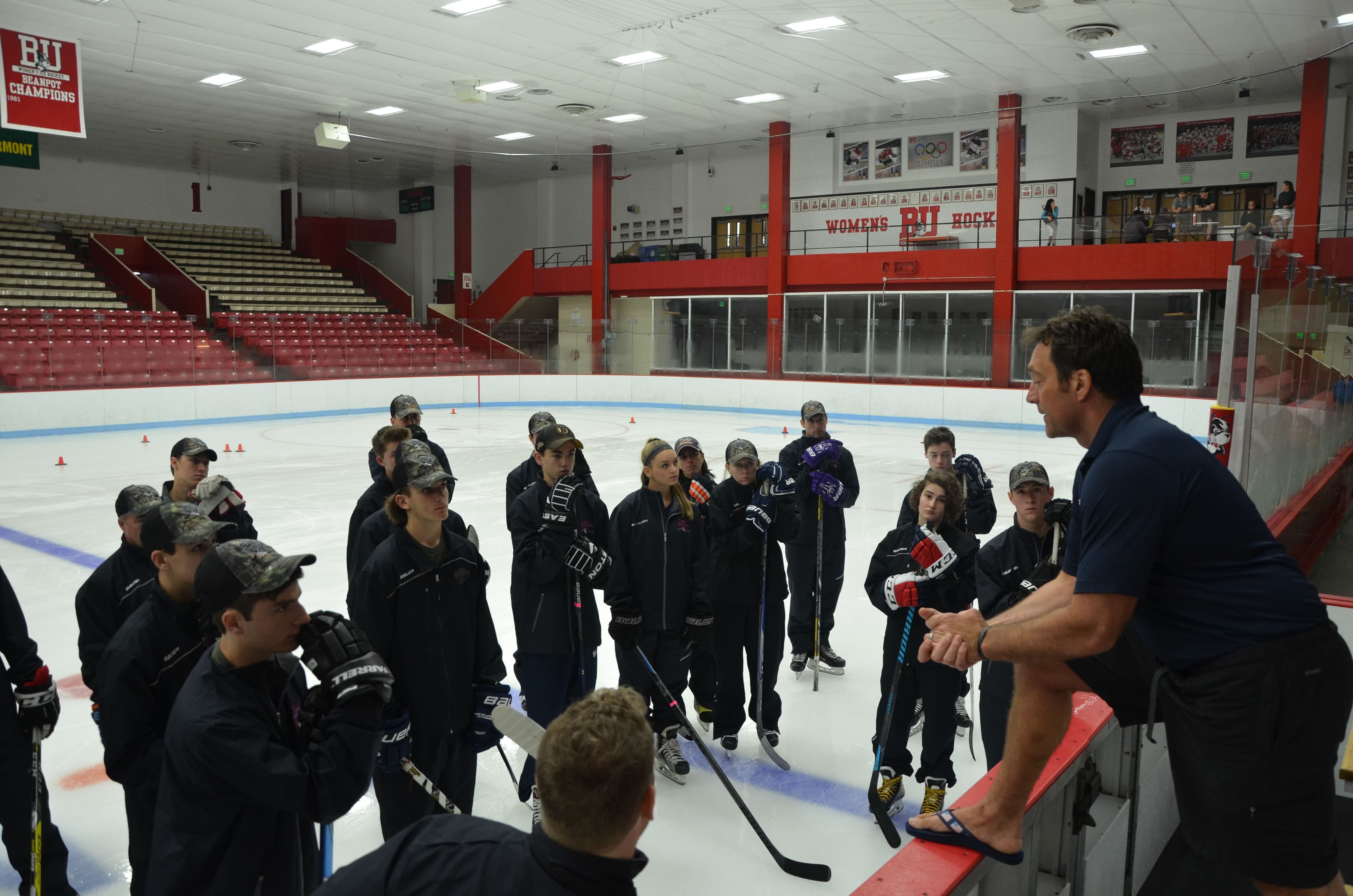
The Backhand Is a Weapon. Start Treating It Like One.
Goalies do not like backhand shots because they are unpredictable. The puck releases at an angle that is hard to read, and the trajectory dips and moves in ways that mess with a goalie's timing. That unpredictability is your advantage. You have to learn how to use it.
The backhand is a disappearing art in youth hockey development. Players at every level are skipping it. That is a mistake, because this shot has to be learned. It does not come naturally, and that is exactly why so few players develop it well. The players who put in the work on their backhand stand out.
Why the Backhand Is So Hard to Develop
Hard to get power on a backhand. Your body mechanics are working against you compared to a forehand shot. Your wrists, your weight transfer, your blade angle, all of it needs to be trained separately. Most players give up on the shot too early because it feels awkward, and it should feel awkward at first. That is part of the process.
The shot also requires confidence in uncomfortable moments. A lot of goals off the backhand happen in tight, scrambled situations around the net. If you have not practiced the shot from bad positions, you will not trust it when it counts.
How I Train the Backhand
I use weighted pucks to work on backhands as one training strategy. The resistance forces your wrists and forearms to work harder than they would with a regulation puck. When you switch to a regulation puck, it goes in with a vengeance. Your release feels quicker, your shot has more pop, and your hands are stronger for it. This is not a complicated concept. Overload in practice, perform better in games.
You do not need a fancy facility to do this. The best way to work on backhands is at home in the garage. Repetition in a low-pressure environment is where real skill gets built. No lines, no waiting, no distractions.
Self Exploration: What It Actually Means
When I talk about self exploration, I mean practicing on your own. No coach. No tutor. Not at a skill session. Just you, a stick, and pucks.
This is where players either separate themselves or stay average. A coach can show you the mechanics. Self exploration is where you own them. You figure out what works for your body, your release point, your positioning. Nobody can do that for you.
Try shooting 25 backhands standing on one foot off balance. Shoot backhands from uncomfortable positions. Get low. Get sideways. Shoot while you are falling. Backhands in general are uncomfortable, so your practice should reflect that. If every rep in practice is clean and easy, you are not preparing for the game.
Training Tools That Create Realistic Conditions
You can work on backhands with training tools that provide realistic practice conditions. A lot of what happens in a real game does not look like a perfect setup, and your training should match that.
Many shots made during practice do not return to you perfectly. That is exactly the point. If you are using a shooting pad or a rebounder that sends the puck back at odd angles, you are practicing real situations. The puck will boomerang back through your legs, to your forehand, then to your backhand. It forces you to shoot and stick handle on both your forehand and your backhand without resetting into a comfortable position.
This kind of messy, reactive practice builds hands faster than clean drill work. Your brain and your hands are learning to adjust in real time. That translates directly to games.
Commit to the Process
Your hands will improve through dedicated self exploration practice. Not through one session. Not through watching videos. Through consistent, focused repetitions when nobody is watching and nobody is pushing you.
The players who develop a real backhand are the players who decided it was worth working on when it was hard and not fun yet. That is the difference between a skill you have and a skill you own.
--
Frequently Asked Questions
Why do so few hockey players have a strong backhand shot?
Most players avoid the backhand because it feels awkward and takes longer to develop than a forehand. In today's game there is heavy emphasis on shooting off the strong side, so backhands get pushed to the side during team practices and skill sessions. The problem is that comfort on the forehand does not transfer. The backhand requires separate, dedicated training, and most players simply do not put in that time.
How young should a player start working on their backhand?
As soon as a player has basic puck control, they should start getting comfortable with backhand shooting. There is no benefit to waiting. The younger a player builds that muscle memory, the more natural it becomes over time. Start with simple backhand passes and shots in the driveway or garage, and build from there.
What is the best way to get more power on a backhand shot?
Weighted pucks are one of the most effective tools for building backhand power. Training with a heavier puck forces your wrists and forearms to generate more force through the shot, and when you go back to a regulation puck the release feels much stronger. Beyond tools, focus on your weight transfer and blade angle. Getting your weight moving toward the target and cupping the puck properly on the blade are the fundamentals that generate power.
Can a player really improve their backhand just by practicing alone at home?
Yes, and honestly that might be the best environment for it. Self exploration means working through the shot on your own terms, figuring out your release point, and building confidence without pressure. Shoot from different positions, try it off balance, use a rebounder that sends the puck back at awkward angles. Consistent solo practice in the garage is how real skill gets built.
Apply It On The Ice
Ready to Put This Into Practice?
Pro Ambitions runs the largest youth hockey camp in North America. Train with coaches who wrote articles like this one.