Thankful For The Game
Jeff Serowik reflects on the true meaning of youth hockey—the wins and losses, the early morning drives, and the unforgettable lessons learned together as a team.
June 30, 2026
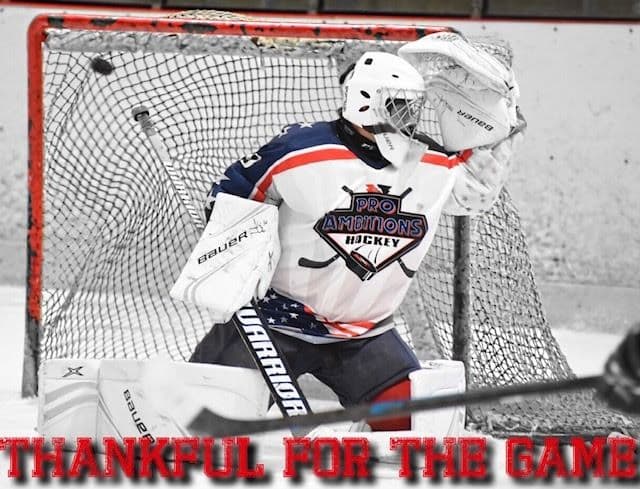
Thankful for the teams, coaches and wins.
Thankful for the ear to ear grins.
Thankful for the smiles through the glass.
Thankful for the locker room laughs.
Thankful to shoulder the tears on the car ride home.
Thankful for all the lessons we have been shown.
Thankful for the families we meet.
Thankful for the skates on our feet.
Thankful for the early morning talks in the car.
Thankful for the places we go to compete both near and far.
Thankful for the game and all that it means.
Thankful for the game of hockey, we are living the dream.
Battle hard this weekend at your tournaments. One shift at a time kids.
--
What This Game Actually Gives Us
Hockey gives more than most people realize. It gives your kid a place to belong, a reason to work, and a community that shows up for each other in ways you won't find anywhere else. I played in the NHL and coached thousands of players over the years, and I still come back to the same truth: the game gives back more than you put in.
Every team, every coach, every win and every tough loss adds something. The wins build confidence. The losses build character. You need both.
The Moments That Matter Most
The Smiles and the Grins
That grin after a great shift, after a hard-fought win, after a kid finally lands a skill they've been grinding on for weeks. That's real. You can't manufacture that. Those moments happen because your son or daughter showed up, put in the work, and earned it. That's the part of hockey that stays with a kid for life, long after the trophies collect dust.
The Locker Room
I always say the locker room is where the real development happens. Coaches teach on the ice, but players learn from each other in that room. They learn how to be a teammate, how to handle a bad game, how to pick someone up when they're down. Those social skills carry into the classroom, into the workplace, into relationships. Don't underestimate what goes on behind that closed door.
The Tears on the Car Ride Home
Nobody likes this part. But I'm thankful for it. When a kid is upset after a tough loss or a rough performance, that means they care. You can work with a kid who cares. It's the ones who shrug it off every time that are harder to reach. Your job as a parent in that car isn't to fix it. It's to listen. Let them feel it. Then help them redirect it into fuel for the next practice.
The Early Morning Talks
The 5 a.m. drives are where some of the best conversations happen. No phones, no distractions, just you and your kid before the rest of the world wakes up. Those talks are part of the journey. Ask them how they're feeling about their game. Ask them what they want to work on. Make it about them, not about what you saw from the stands. Those conversations build trust, and trust is what keeps kids coming back to the game when things get hard.
The Families and the Community
One of the greatest things this sport does is connect families. You spend weekends traveling, sharing hotel lobbies, standing in cold rinks, cheering together. Those people become part of your life. I've watched families form friendships through this game that last decades. The hockey community is tough and loud and passionate, and it looks out for its own. That's something worth being grateful for.
The Lessons That Stick
Hockey teaches discipline, accountability, and resilience. Not because someone gives a speech about it, but because the game demands it every single day. You either come to practice ready to work or you fall behind. You either hold up your end as a teammate or you let people down. The consequences are immediate and real. That's why so many hockey players go on to succeed in whatever they pursue after their playing days are done. The lessons are baked in.
Battle Hard. One Shift at a Time.
Be grateful for where you are right now. This season, this team, this moment. It goes fast. Players, compete hard this weekend at your tournaments. Give everything you have on every shift. Parents, soak it in. Coaches, keep pouring into these kids because it matters more than you know.
One shift at a time.
--
Frequently Asked Questions
How do I help my child handle losing in youth hockey?
Let them feel the disappointment first. Don't rush to put a positive spin on it in the parking lot. Give it some space. On the drive home, ask questions instead of giving answers. What did they think went well? What do they want to work on? When a kid can identify their own areas for improvement, that's ownership. That's growth. Your job is to guide that process, not protect them from the feeling.
Why is the locker room so important in youth hockey development?
The locker room is where players learn how to be part of something bigger than themselves. On the ice, coaches direct the play. In the locker room, kids figure out how to lead, how to support each other, and how to build a real team culture. Those interpersonal skills are just as important as skating or shooting. Coaches who ignore what happens in the locker room are missing half the development picture.
How can parents make the most of early morning hockey commitments?
Use the drive to connect with your kid, not to coach them. Ask about their goals, their friendships on the team, how they're feeling about the season. The early mornings are a sacrifice, but they're also an opportunity. You have uninterrupted time with your child before the day pulls you both in different directions. That's rare. Treat it that way.
Is youth hockey worth the time and money investment?
That depends on what you're measuring. If you're measuring NHL contracts, the math doesn't work for most families. If you're measuring discipline, work ethic, teamwork, resilience, and friendships that last a lifetime, the return is real. I've seen this game change kids. I've watched players come through our programs who were quiet and unsure of themselves, and leave with confidence and a sense of who they are. That's the investment worth making.
Apply It On The Ice
Ready to Put This Into Practice?
Pro Ambitions runs the largest youth hockey camp in North America. Train with coaches who wrote articles like this one.