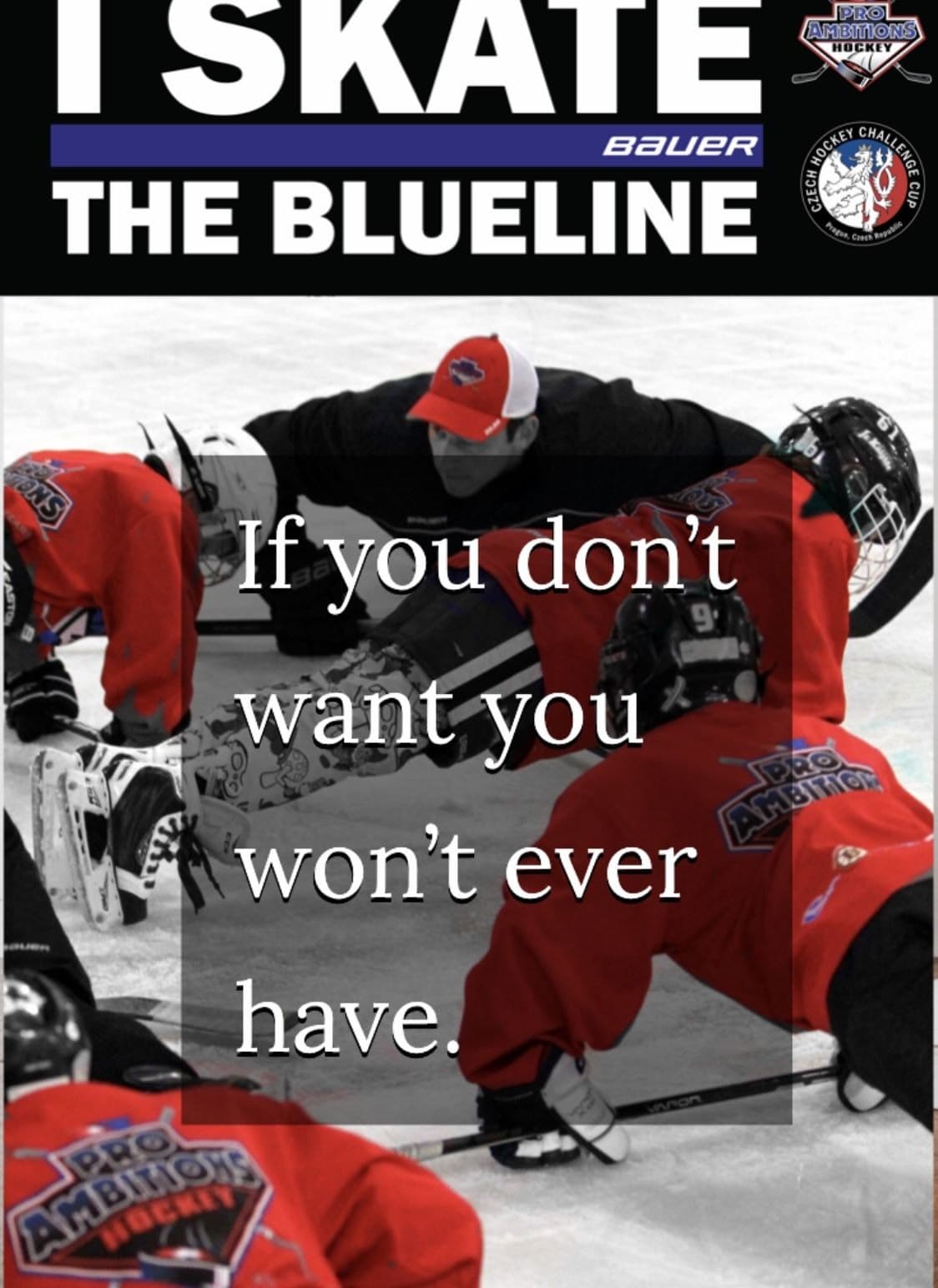
If You Don’t Want You Won’t Ever Have
Goal setting is a skill—not a talent. Learn the SMART framework to set specific, measurable, and attainable goals that transform your hockey development and unlock your potential.
June 30, 2026
Goal Setting is a SKILL
Don't take this skill for granted. Every elite player I have ever been around, from junior hockey all the way up to the NHL, had a clear picture of what they wanted. They did not stumble into success. They chased it with a plan. Goal setting is something you can get better at, just like skating or shooting. If you treat it like an afterthought, your development will reflect that.
--
Know Where You Stand Right Now
Before you set a single goal, you need to be honest about where you are today. Take the time to figure out where you are now, how you got there, and what you have already achieved. This is not about beating yourself up or patting yourself on the back. It is about getting an accurate read on your current situation so you can build from something real.
Write down your setbacks, disappointments, and shortcomings, both mental and physical. Nobody likes doing this part, but it matters. The players who skip this step are the ones who keep running into the same walls year after year. Putting it on paper forces you to face it.
Write down what you have achieved so far and the memorable moments you have enjoyed. Keep this somewhere in your phone so you can look back on how far you have come and how far you still have to go. Progress is a motivator. When you are grinding through a tough stretch, seeing your own growth in writing can keep you moving forward.
--
Define Your Goals Clearly
You need two types of goals. Broad goals are your big picture, where you want to be in two, three, or five years. Now goals are what you are working on this week, this month, or this season. Both matter. Most players only think about the big picture and never break it down into the daily and weekly actions that actually get them there. That gap is where development stalls.
--
Use SMART Goals for Your Now Goals
For your Now goals, use the SMART framework. These are not soft suggestions. Work through each letter and be specific.
S is for Specific
Ambiguous goals are not attainable. Be specific about what you want to accomplish in your next tournament, game, or tryout. "Play better" is not a goal. "Win more battles below the dots" is a goal. The more specific you are, the more your brain knows what to focus on.
M is for Measurable
Put a number on it. I am going to skate back and forth to the blue line in this time. I am going to stickhandle through this course I set up in my basement in this time. For older student-athletes in the recruiting process, I am going to study for the SAT and get this number of questions correct. If you cannot measure it, you cannot track it, and if you cannot track it, you do not actually know if you are improving.
A is for Attainable
If your goal is not attainable in the near future, readjust the goal. Get there, then set a higher one. This is not lowering your standards. This is building real confidence through real achievement. Small wins compound. A player who hits ten straight attainable goals is more dangerous than a player who keeps missing the same unrealistic target.
R is for Realistic
Set a goal for moving up one line at a time or one team at a time. Work on getting more playing time before you worry about being the top scorer. Keep your goals real, current, and focused on right now. Players who skip steps in their development almost always pay for it later. Trust the process and respect where you are in it.
T is for Time
Set a deadline on your goal. A goal without a time limit is just a wish. Give yourself a specific date, hit the goal, then set the next one. That cycle of setting, working, achieving, and resetting is exactly what separates players who keep developing from those who plateau.
--
If You Don't Want, You Won't Ever Have
Nobody is going to want it for you. Not your parents, not your coach, not your teammates. The players who make it are the ones who decide they want it badly enough to do the work when nobody is watching, to write down the goals, to measure the progress, and to hold themselves accountable. Goal setting gives your effort a direction. Without it, you are just working hard and hoping. Hope is not a plan.
--
Frequently Asked Questions
How often should a hockey player update their goals?
You should revisit your goals at minimum every four to six weeks during a season. If you hit a goal early, do not wait until the scheduled check-in. Set the next one and keep moving. The players who stay stagnant are usually the ones who set a goal once in September and never look at it again.
What is the difference between a long-term goal and a Now goal?
A long-term goal is your destination, playing at the next level, earning a scholarship, making a varsity roster. A Now goal is the specific step you are taking this week or this month to move toward that destination. You need both, but you have to live in your Now goals. That is where the actual work happens.
My child sets goals but loses motivation quickly. What should I do as a hockey parent?
Help them set smaller, more attainable targets. Loss of motivation usually means the goal was too big or too vague to feel real. Sit down together, break the big goal into pieces, and celebrate when the smaller pieces get hit. Your job as a parent is to support the process, not to want it more than they do.
Does goal setting actually make a difference in youth hockey development?
Yes, and it is not even close. Players with written, specific goals develop faster because they are training with purpose. Every drill, every skate, every film session has a reason behind it. Players without goals are just going through motions. Over the course of a season, that difference adds up significantly.
Apply It On The Ice
Ready to Put This Into Practice?
Pro Ambitions runs the largest youth hockey camp in North America. Train with coaches who wrote articles like this one.