Success is Really Imperfect
Success in hockey isn't linear. Discover how dedicated players overcome imperfect situations through smart training, hard work, and strategic planning with Pro Ambitions Hockey.
June 30, 2026
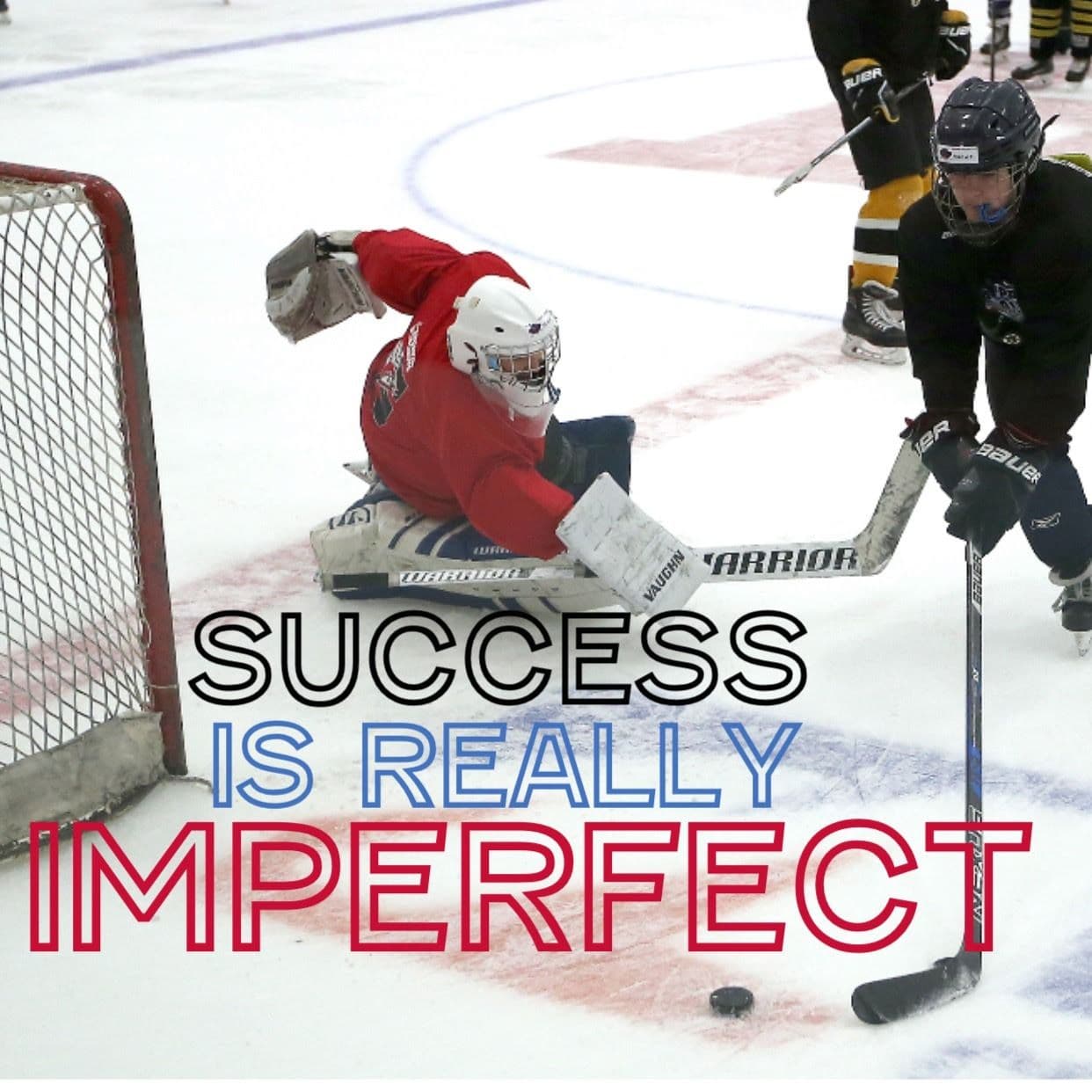
Success is Really Imperfect
Success is really imperfect.
Fail fast, learn from it, make a plan for yourself and carry it out. Most players and parents want a clean, straight line from point A to point B. That line does not exist. Never has. The players who figure that out early are the ones who end up going the furthest.
I have been doing a lot of privates with dedicated players all in imperfect situations because everyone is in an imperfect situation. That is not a excuse. That is just reality. The question is what you do with it.
Every Player Has an Imperfect Path
Every child has a different story. Success always has an imperfect story. Including my daughter's in field hockey, and my own throughout my youth, college, and professional hockey. Every player has an imperfect path even though you think it is just you.
I was not a first-round pick. I did not have the easiest road to the NHL. I got cut, I got buried in the minors, I had coaches who did not believe in me. I kept working. That is the whole story.
The difference maker to success is taking the hand you are dealt with, assessing your options, putting in hard work because hard work will beat out talent all day long, making a plan, and then carrying it out. Inchworming along with daily gain. Small improvements stacked on top of each other over months and years add up to something real.
Real Players, Real Imperfect Situations
Here are a few stories that I hope will make you realize that you are not alone.
The Player Who Went From Third Line to First
One camper, who plays for a competitive prep school, came for privates with me all fall. His original goal as a junior was to be a solid guy on the third line. We worked and worked all fall with weekend small group skills and privates. As of tryouts and the beginning of season he is on the first line. He worked for it. He earned it. I am not one bit surprised.
Nobody handed that to him. He showed up when other kids were sleeping in. He did the reps. He made the corrections. When the opportunity came, he was ready for it.
The D1 Commit Who Got Bumped Down
Another long-time camper plays for one of the top programs in the nation. She is committed to a D1 school. She was put on the second tier team as a sophomore with a few other D1 commits. She flew here to work with me as she has done for years. We made a few corrections on her shot that upped her conversion to hitting the net 80%. We encouraged her to embrace the second tier team and be a leader.
This playing time will force her to do a lot more than she is used to. Leadership. Playing time. Carrying the puck more. Hungry. All of this equals hockey growth spurt. Not a bad thing at all, actually a good thing in disguise. A player who gets handed everything never learns how to fight for something. She is learning that now, and it will matter at the next level.
The Junior Player Who Lost Prep Eligibility
Another long-time camper plays for a junior team and is now ineligible to play for his prep team. He feels disheartened that he cannot do both. It is ok. Stick with the circumstances that you are given. Play hard for that team. Train privately and with small group skills. Work on your own personal game. Another disappointment that can be turned into a good thing.
Some of the best growth I have seen in players comes right after a door closes on them. It strips away the noise and forces them to focus on getting better. That focus is a gift, even if it does not feel like one right now.
Take the Imperfect Situation and Own It
Switching schools, club teams, not making the team you hoped for, politics with a coach, or the coach's kid on the team. I get it. All imperfect situations. It is ok. Take that imperfect situation and make the best of it. It will make you a better and stronger player.
Take the imperfect pass.
Take the imperfect line and less skilled linemates.
Take the imperfect coach.
Make all of these somewhat imperfect situations somewhat perfect for yourself by working harder and doing things you will learn and grow from. The players who thrive are not the ones with the perfect setup. They are the ones who stopped waiting for perfect and started doing the work.
--
Frequently Asked Questions
What should I do if I get cut from the team I wanted?
Do not quit and do not sulk for months. Get back on the ice, find a place to play, and get to work on the specific things that held you back. Use that rejection as information, not a verdict. A lot of players who got cut from one team ended up better for it because they trained harder and came back sharper.
How do I stay motivated when my situation feels unfair?
Focus on what you can control. You cannot control a coach's decision, politics, or who gets favoritism. You can control your habits, your effort in practice, and the private work you put in off the ice. Channel the frustration into your game. That energy is useful if you direct it the right way.
Is it worth training privately when I am already on a team?
Yes. Team practice makes you a better team player. Private work makes you a better individual player. The two are not the same thing. Players who only rely on team practice are leaving development on the table. The ones who come in for extra work are the ones who quietly jump lines on the depth chart.
How long does it take to see results from extra training?
There is no single answer, but players who are consistent with privates and small group skills over a full season see real change. It is not overnight. It is inchworming. Small gains every week. Stack those weeks together and by the end of a season you are a noticeably different player.
Apply It On The Ice
Ready to Put This Into Practice?
Pro Ambitions runs the largest youth hockey camp in North America. Train with coaches who wrote articles like this one.