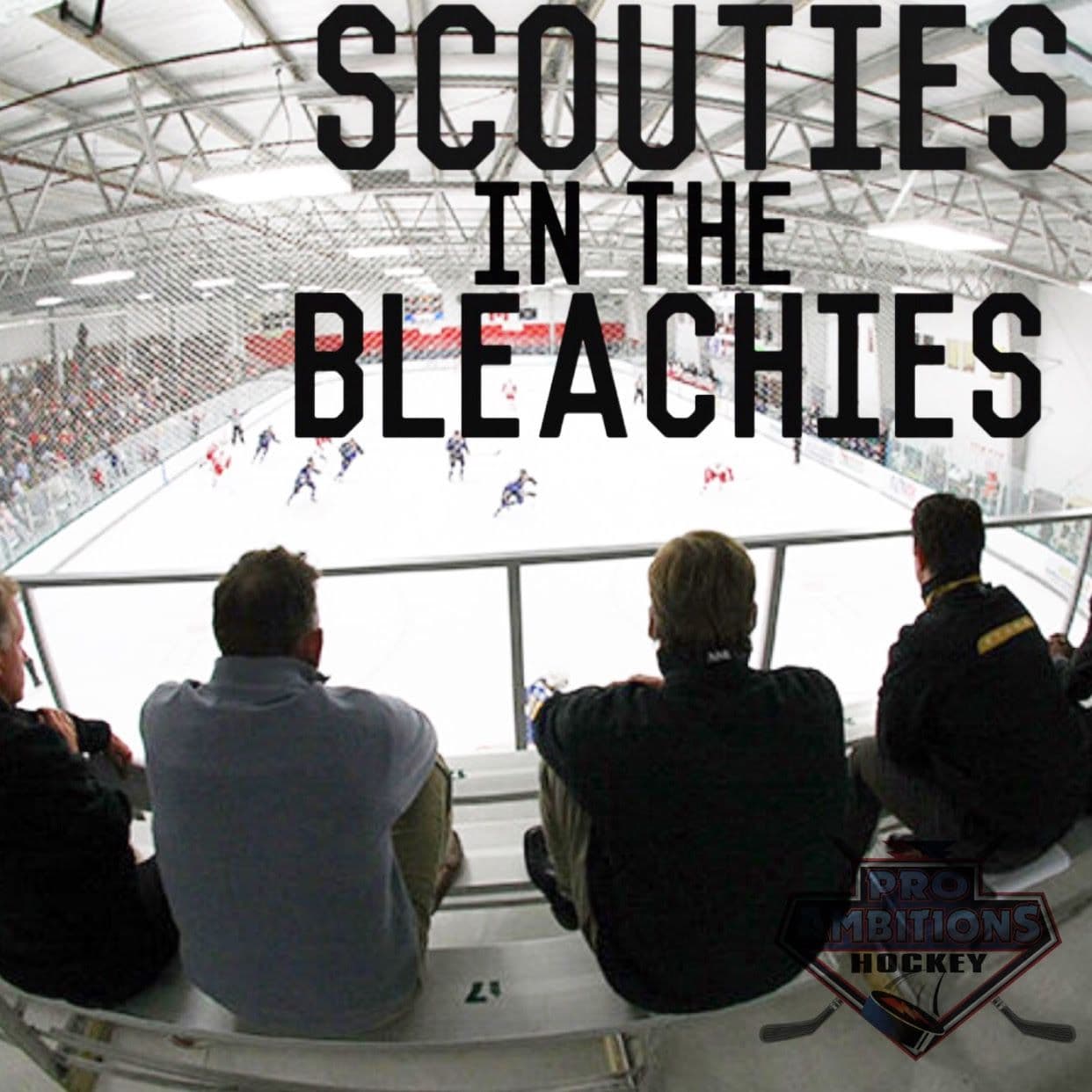
Scouties in the Bleachies
When scouts are in the stands, play your regular game and avoid costly mistakes. Learn what recruiters really look for—from work ethic to body language—in Pro Ambitions Hockey's essential guide.
June 30, 2026
Oct 14 Hockey Tip of The Day
When Scouties are in The Bleachies
Scouts are in the building. This is the moment you have been working toward. How you handle it tells them everything they need to know about you as a player and a person.
--
Play Your Regular Game
Play your regular game. Do not try to do too much. That is when mistakes happen.
This is the biggest trap players fall into. They see a scout in the stands and suddenly they are trying to dangle through three defenders instead of making the simple play. Scouts have seen that move fail a thousand times. Simple, fast, and effective wins every time.
Do not over handle the puck in the defensive zone if you are the player that moves it out well. Move the puck as usual. Scouts are not impressed by players who create problems they did not need to create.
--
What Scouts Are Actually Looking For
Scouts know who the goal scorers are. They have your stats before they walk through the door. It is okay if you do not score points when scouties come to watch you. Obviously that is great, but they are looking for the less obvious.
They want to see how you read the ice and set up the play before it develops. Anticipation is a skill you cannot fake. A player who sees the game two seconds ahead of everyone else is valuable at every level.
Scouts are also very interested in seeing how you play when your team is losing. This is a better test of your armor. Anyone can look good when the game is easy. Show them what you are made of when things are going sideways.
Analytics are a huge tool for scouts to track your progress, but there is nothing like seeing you play in person. The data tells them what happened. Watching you play tells them why.
--
Your Habits on the Ice Say Everything
If you lose the puck, scouts are very interested in how you react. You need to skate your butt off, work harder to get it back, and get back into the play. They love seeing how you recover. Losing a puck is not a mistake. Standing there watching is.
Be the first on the puck. Shoot hard pucks. Hard passes. No hope passes, meaning you hope the pass will get there. Every detail matters when someone is watching you closely.
Intense back checking is non-negotiable. Get back fast and help out. Finish all of your checks and hits, 100%. Do not turn the puck over. These are the physical habits that scouts count. They track them the same way a coach counts turnovers in practice.
--
Body Language and Mental Toughness
Scouts are watching your body language. Do not shrug. Do not bang your stick. Do not pout. Do not do it.
They are watching you very closely when the chips are down. Fight through it. The player who puts his head down after a bad shift and then comes back with a strong one is telling scouts exactly what kind of teammate and competitor he is.
Scouts ask me about players' work ethics. One D1 coach asked me directly, "Will this kid meet me at the gym at 3am?" That is the question. Not how many points you had last season.
--
Prepare Like Every Game Is a Showcase
Go to the showcases, camps, and tournaments at the school you wish to attend. Get in front of those coaches and scouts on their home turf.
Before big tournaments or showcases, prepare with purpose. Plan private lessons, skill sessions, and attend every practice and regular season game as if it is the showcase or tournament itself. If you train with a little anxiety, a little edge, you will not choke when it actually counts.
Play with a bit of that anxious fear factor leading up to the event. Practice how you want to play. Your preparation will take away your nervousness when scouties are in the bleachies.
--
Frequently Asked Questions
What do hockey scouts look for beyond goals and assists?
Scouts have your stats before they arrive. What they are watching in person is your compete level, your body language, your hockey sense, and how you respond to adversity. A player who backchecks hard, wins battles below the dots, and never takes a shift off will get noticed even without putting up points on the scoresheet.
How should I act when I know a scout is watching me?
Act like you are in your best regular game. That is it. The players who try to change their game for scouts are the ones who fall apart. Stick to your strengths, make the simple play fast, and let your habits speak for themselves. Scouts are trained to see through performances. They want to see the real you.
How important is it to attend camps and showcases at schools I want to play for?
Very important. Getting in front of a coaching staff at their own event puts you directly in their line of sight at a moment when they are actively evaluating talent. It also shows them that you are serious and have done your homework. Make the trip.
How do I stop being nervous when a scout comes to my game?
You eliminate nervousness through preparation. If you have already been practicing with a little pressure and edge in your regular games, the stakes of a scout visit will feel familiar. Nervousness comes from the unknown. If you have already been there mentally, it is just another game.
Apply It On The Ice
Ready to Put This Into Practice?
Pro Ambitions runs the largest youth hockey camp in North America. Train with coaches who wrote articles like this one.