Never Count Anyone Out
Brady's journey from JV benchwarmer to overcoming adversity teaches us that counting anyone out is premature. His relentless work ethic and refusal to complain despite playing behind highly-touted prospects became the foundation of his success.
June 30, 2026
The Kid Nobody Wanted
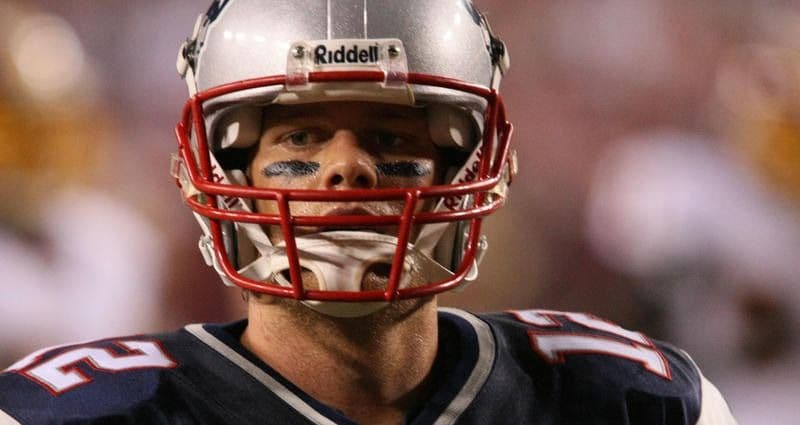
Tom Brady fought for playing time as a sophomore on his Junior Varsity High School team. Not Varsity. JV. His arm was never the question. His size and speed were, and those two things followed him everywhere, got him overlooked, got him cut. As a senior, he had to send his own tapes out to get himself a scholarship, both academic and athletic, to the University of Michigan. Nobody was handing him anything.
When he arrived in Ann Arbor, he found himself buried at seventh string. Seventh. That is not a typo. Most kids would have transferred, gone home, or quit. Brady put his head down and went to work.
What Happened at Michigan
By his third season it looked like Tom might finally have the starting job to himself. Then in walks freshman phenom Drew Hensen. Before Hensen ever took a snap in a real game, there was an autograph line the length of the field waiting for him on preseason day. Tom Brady stood in the tunnel. No line. Nobody waiting. That image says everything about where he stood in people's minds.
The two split time that season. Tom got pulled the moment he made his first mistake. The following year, the same setup: Drew started, and when he dug the team into a hole, Brady came in to clean it up. Fans booed Brady and cheered for Hensen. That was the environment he performed in, not in front of a crowd rooting for him, but in front of one that wanted someone else.
Coaches at The Big House remember Brady as the first one to practice and the last to leave. He was in the film room alone on Fridays watching video by himself. No complaints. No ego. That is what I call a non-star on the team, someone who keeps grinding without recognition, without applause, without anyone telling them they have a future. Those are the players you have to watch closely, because they are building something real.
Students in his off-campus apartment building remember Brady folding their laundry and leaving it in neat piles when they left their clothes sitting in the washer or dryer. He was not an entitled athlete. He was considerate, respectful, and completely ordinary in how he treated people around him.
That season, Brady led Michigan out of multiple holes and closed the year with comeback wins against Notre Dame, Penn State, Ohio State, and Alabama in the Orange Bowl. He earned those moments because he had already paid for them a hundred times over in obscurity.
The Draft, The Depth Chart, and the Wait
NFL Draft Day was Groundhog Day for Brady. He went 199th overall, sixth round, nowhere near where he had hoped. The same old criticism came back around: too skinny, too slow. Another disappointment. Another setback.
He joined the New England Patriots as the fourth-string quarterback behind Drew Bledsoe and two others. He sat in the stands and watched. He waited. He kept outworking everyone around him, quietly, without making noise about it. In his second season, Bledsoe got hurt. Brady stepped in, executed one play at a time, and led the Patriots to their first Super Bowl championship in franchise history.
The GOAT. And for most of his early life, nobody wanted his autograph.
I Have Seen This My Whole Career
It happened to me. I secured a spot on an NHL roster in my tenth season as a professional. Tenth. Most people had written me off long before that. I had not written myself off.
I see it with my campers constantly. A kid gets passed over at a tryout, gets put on the wrong team, gets told he is not big enough or fast enough or skilled enough. Then three years later that same kid is outplaying the guys who got chosen ahead of him. I have watched it happen more times than I can count.
I saw it with my own daughter.
Late bloomers, kids who develop on their own schedule, kids who get overlooked for reasons that have nothing to do with their actual ceiling, they can prove people wrong. They will, if they want to badly enough.
I never count any kid out. Ever.
Plan your work and execute. Small daily dedicated gains. That is the whole formula. It is not complicated. It is just hard, and most people stop doing it the moment it stops feeling good.
Frequently Asked Questions
My son got cut from his hockey team. Does that mean he is not good enough?
Getting cut is information, not a verdict. It tells you where the gaps are right now. Brady got cut, got buried on depth charts, got booed by his own fans. What those moments revealed was not his ceiling, they revealed his character. Evaluate what needs work, make a plan, and get back in the gym or on the ice. The kids who respond to a cut by working harder are the ones who tend to surprise people later.
How do you develop a late bloomer in youth hockey?
You keep them in the game. Late bloomers need patient coaches and parents who focus on skill development and compete level, not just where they are ranked at twelve years old. Physical maturity varies enormously between kids. A player who is smaller or slower at fourteen can be a completely different athlete at seventeen. Keep the process going and do not make long-term decisions based on short-term snapshots.
What separates players who make it from players who don't?
Consistency when nobody is watching. Brady was in the film room alone on Fridays. He folded his neighbors' laundry. He was the same guy whether the spotlight was on him or not. In hockey, the players who make it at the next level are usually the ones who brought the same effort to practice on a Tuesday in November as they did to a big game. Talent gets you in the room. Consistency keeps you there.
How should a young hockey player handle being behind on the depth chart?
Use it as fuel, not an excuse. Your job is to make the coach's decision harder. Show up early, stay late, watch film, and take care of the details that other guys ignore. Do not complain about your situation publicly. Do not make it about politics or unfairness. Control what you can control and keep raising your level. That approach does not guarantee anything, but it gives you the best possible shot.
Apply It On The Ice
Ready to Put This Into Practice?
Pro Ambitions runs the largest youth hockey camp in North America. Train with coaches who wrote articles like this one.