Killer Instinct in Sports is Good
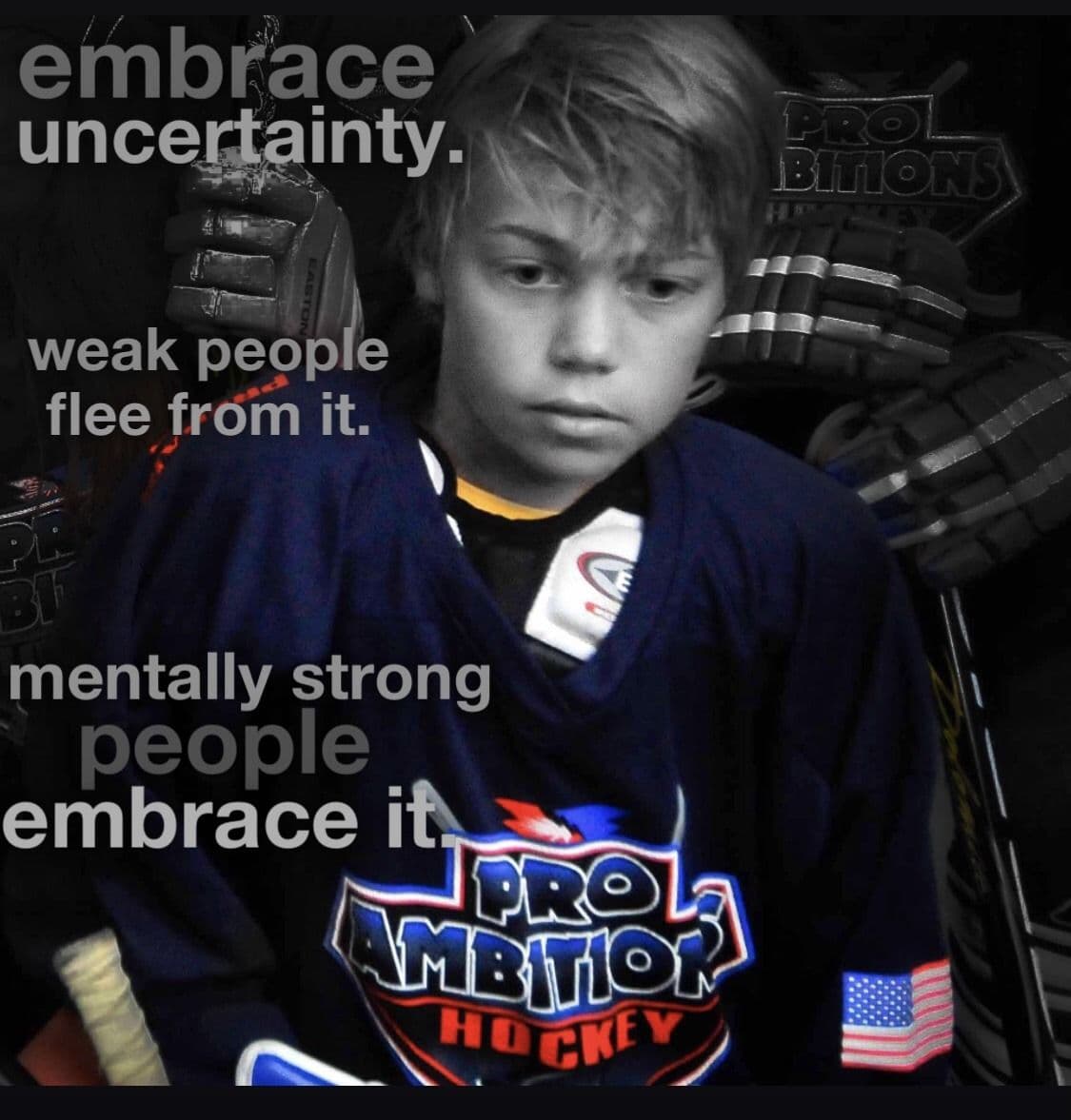
Killer instinct isn't about harming opponents—it's the drive to prepare to win. Pro Ambitions teaches young hockey players to crave winning and reach their full potential through elite training.
June 30, 2026

> "The key is not the will to win. Everyone has that. It is the will to prepare to win that is important."
That quote says everything. The killer instinct is not about being mean. It is not about running someone through the boards. It is about that fire inside that refuses to let you settle for where you are right now.
What the Killer Instinct Actually Means
The killer instinct in sports is the drive. The motivating engine. The voice inside that says, "I can do better and I will do everything I can to achieve it." We talk about it constantly in sport psychology, and we talk about it as a positive trait. A necessary one. Without it, players plateau. They get comfortable. And comfortable is where potential goes to die.
This is not about harming an opponent. It is not about disrespect. It is about caring so deeply about your own performance and your team's success that you refuse to coast. That is a trait worth developing in every young athlete, at every level.
Train to Win. Not to Score.
Forget personal goals. Forget points. Forget your plus-minus rating. We train to win. Those individual numbers will come, but you should never make them your focus. Players who chase personal stats play small. Players who chase wins play for something bigger than themselves, and that is when real development happens.
We talk about winning. We train kids to think about winning. To talk about winning. To crave winning. It is not a rude word. It is the whole point of competition. The killer instinct in sports revolves around that word, and we are not going to apologize for it.
When a player truly wants to win, they show up early. They stay late. They watch film. They work on their weaknesses when no one is watching. That internal drive is what separates the players who have talent from the players who actually do something with it.
What Competition at the Highest Level Teaches You
When you compete against skilled opponents who play year-round and bring serious experience to the ice, the gap in preparation styles becomes obvious fast. You learn very quickly whether or not you have been doing the work. That is one of the most valuable lessons a young player can get, and you cannot replicate it in practice.
Overcoming adversity in tough competition builds character. Bonding with your teammates through a hard-fought series, win or lose, builds resilience. Those experiences stay with a player long after the final buzzer. A team that holds its own against elite competition, maintaining a .500 record or better, should take real pride in that. Not because winning is everything, but because competing at that level proves the preparation was real.
Adversity is information. It tells you where the gaps are. Smart players and smart coaches use it to get better. That is the killer instinct applied to the bigger picture of development.
Why International Competition Matters
We are proud of the international tournaments and trips Pro Ambitions has been part of. Competing abroad exposes players to different coaching philosophies, different playing styles, and a level of competition that challenges everything they think they know about the game. That kind of experience is invaluable.
When a player steps onto the ice in another country and has to perform under pressure, away from home, against opponents who prepared just as hard, it accelerates development in a way that ordinary seasons cannot. It forces mental toughness. It demands adaptability. And it shows players that the game is bigger than their local rink and their local league.
That is the killer instinct meeting the real world. And players come back from those trips different. Better. Hungrier.
--
Frequently Asked Questions
Is the killer instinct something a player is born with or can it be developed?
It can be developed. Some players show it early and naturally, but most need to be taught what it looks and feels like. Coaches play a big role in that. When you put a player in competitive environments consistently, hold them accountable, and show them what genuine preparation looks like, that drive starts to grow. It is a mindset that gets reinforced through habits over time.
Is it okay to teach young hockey players to want to win this badly?
Yes. Teaching kids to compete, to care about outcomes, and to prepare seriously is not harmful. It is one of the best things you can do for their development, both in hockey and in life. The key is teaching them to channel that drive the right way. Respect your opponent. Play hard. Prepare harder. Winning matters, and there is nothing wrong with saying that out loud.
How does focusing on winning actually help a player's individual development?
When a player focuses on winning instead of personal stats, they start making better decisions on the ice. They take the right shot instead of the flashy one. They backcheck. They communicate. They become coachable. All of those things accelerate individual skill development far faster than chasing points ever will. The best players in the world are great teammates first.
How do international hockey tournaments fit into a player's long-term development?
International competition puts players in unfamiliar environments and forces them to adapt quickly. Different systems, different ice sizes in some cases, different officiating, different intensity. All of that stress-tests what a player has built. It also shows them that serious hockey exists beyond their own backyard, which raises their standard for what preparation needs to look like going forward.
Apply It On The Ice
Ready to Put This Into Practice?
Pro Ambitions runs the largest youth hockey camp in North America. Train with coaches who wrote articles like this one.