Hockey Words of Wisdom
Former NHL player Jeff Serowik shares powerful coaching lessons about fairness, resilience, and knowing when to make tough calls in youth hockey.
June 30, 2026
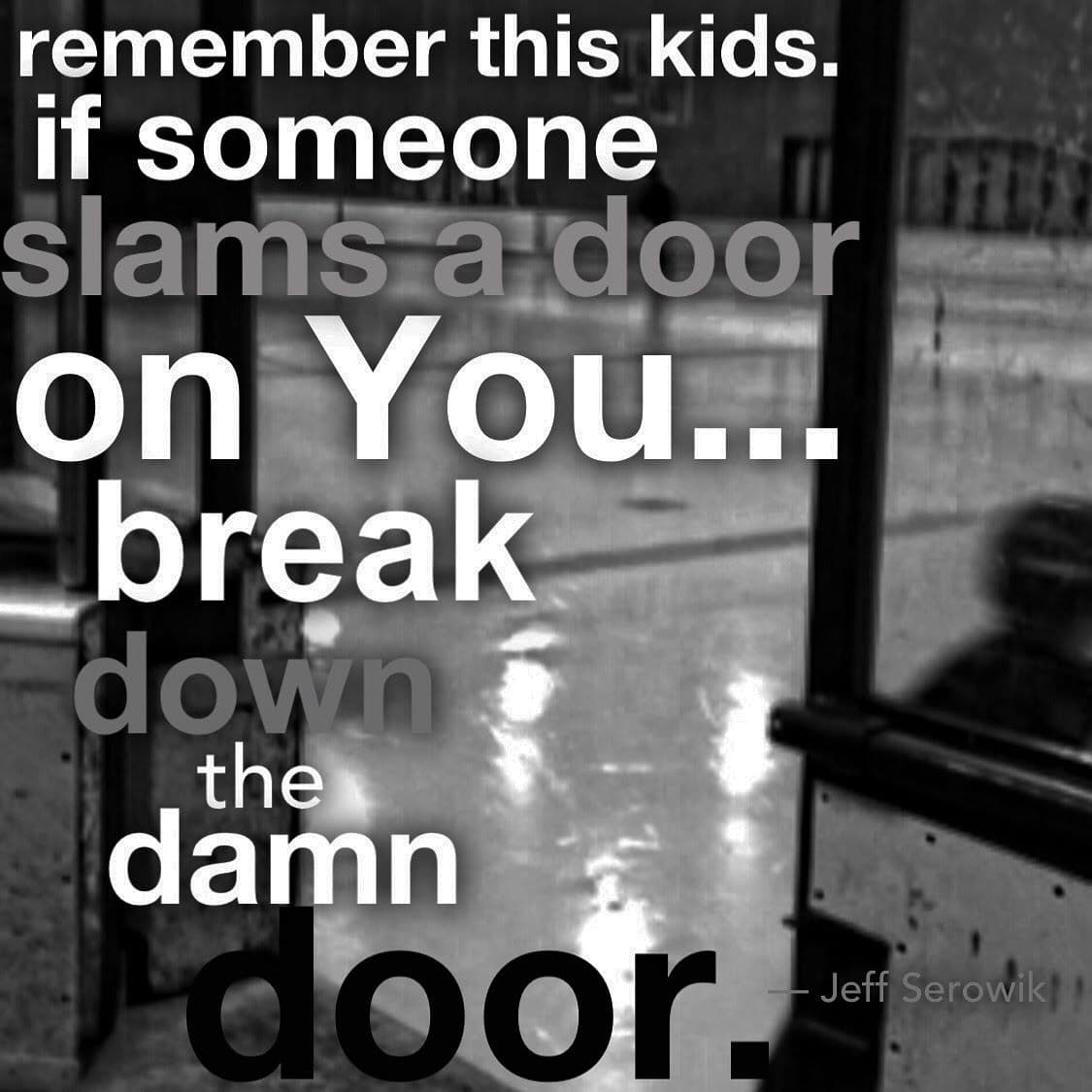
Get Up. Keep Getting Up.
That is the foundation of everything in hockey and in life. You are going to get knocked down. You are going to face situations that feel completely unfair. The question is never whether you fall. The question is what you do next. Every player I have ever coached who made it to a high level had one thing in common: they got back up, every single time, without waiting for someone to tell them to.
This is not a motivational poster. This is the reality of the game.
The Coach's Kid Problem
Got a call from a camper's mom and dad that was a familiar call. Their kid was on a team with not one coach's kid but all three coaches' kids on the team.
You know the rest of the story. I know the story. My daughter knows the story in field hockey.
It happens at every level, in every sport, in every town. The kid who deserves ice time sits on the bench while the coach's son plays another shift. The parent watching from the stands knows it. The other players know it. Even the coach, deep down, usually knows it. It is one of the oldest problems in youth sports and it does not have an easy answer.
What I can tell you is this: how your kid handles that situation will shape them more than any power play drill ever will. Learning to compete in an unfair environment is a real skill. The NHL is not fair either.
What I Would Do If My Kid Were on the Team
Shocks me because I would go to the other end of the spectrum and give my kid probably less playing time than deserved, just to try to overcompensate and be fair to the rest of the kids on the team.
That is where I land on it. Maybe that is not perfect either. But I would rather err in that direction than use my position to give my own kid an edge they did not earn. The kids and parents around you are watching how you handle it. Your child is watching too. That lesson sticks longer than any goal they score at age eleven.
Hang Tough
It is ok. Hang tough.
I know that sounds simple. It is supposed to. When you are in the middle of a bad situation, you do not need a lecture. You need to hear that it is going to be ok and that you need to stay the course. Quitting a team mid-season because of politics is rarely the right move for your development. Short-term frustration is part of the game. Work harder. Compete harder. Make it impossible for them to ignore you.
That is the response that actually changes things.
But Sometimes You Have to Make a Change
Sometimes you have to go with your gut and actually make a change. Sometimes.
There are situations where staying is not toughness, it is just tolerance of something genuinely harmful to your kid's growth. If a player is in an environment where they are not getting coached, not developing, and losing their love for the game, that is a different situation. You have to be honest with yourself about which problem you are actually dealing with. Is this a tough situation that will build character, or is this a dead end? Those are two very different things.
Trust your instincts to do what is right. You know your kid better than any coach does. If every signal is pointing the same direction, do not ignore it just because making a change feels uncomfortable.
Frequently Asked Questions
How do I know if my child is being treated unfairly or if they just need to work harder?
This is the hardest question in youth hockey. Start by being honest with yourself. Watch your kid's effort in practice compared to the players getting more ice time. Talk to your child away from the rink and listen to what they actually say. If the issue is effort, skill, or coachability, the answer is to work harder. If your kid is genuinely outworking and outperforming others and still sitting, that is a different conversation worth having with the coaching staff directly and calmly.
Should I talk to the coach about my child's playing time?
Yes, but do it the right way. Wait at least 24 hours after a game you are frustrated about. Ask for a scheduled conversation, not a parking lot ambush after a loss. Go in asking what your child needs to do to earn more ice time, not demanding an explanation. Coaches respond to parents who are focused on development. They shut down when they feel attacked. Your goal is to get information that helps your kid, not to win an argument.
When is it actually the right time to switch teams or programs?
When the environment has stopped producing growth. If your kid is not being coached, is losing confidence, and has no path forward on that roster, it is time to look around. Switching teams because of one bad season or one coach you do not like is usually the wrong move. Switching because your kid has genuinely hit a ceiling in that program and needs a new challenge is a legitimate reason. There is a difference. Be honest about which one it is.
How do I teach my kid to handle unfair situations in hockey?
Start by not shielding them from the reality that sports are sometimes unfair. Acknowledge what they are feeling, then redirect them toward what they can control. Their effort, their attitude, and their preparation are always in their hands. The players who learn to compete in hard situations become better teammates, better competitors, and more resilient people. That lesson is worth more than a fair coach.
Apply It On The Ice
Ready to Put This Into Practice?
Pro Ambitions runs the largest youth hockey camp in North America. Train with coaches who wrote articles like this one.