Great Coaching: Taking Moderate Talent All The Way
Great coaches develop both athletes and people. Learn how elite coaching transforms moderate talent into champions through vision, trust, and strategic player development.
June 30, 2026
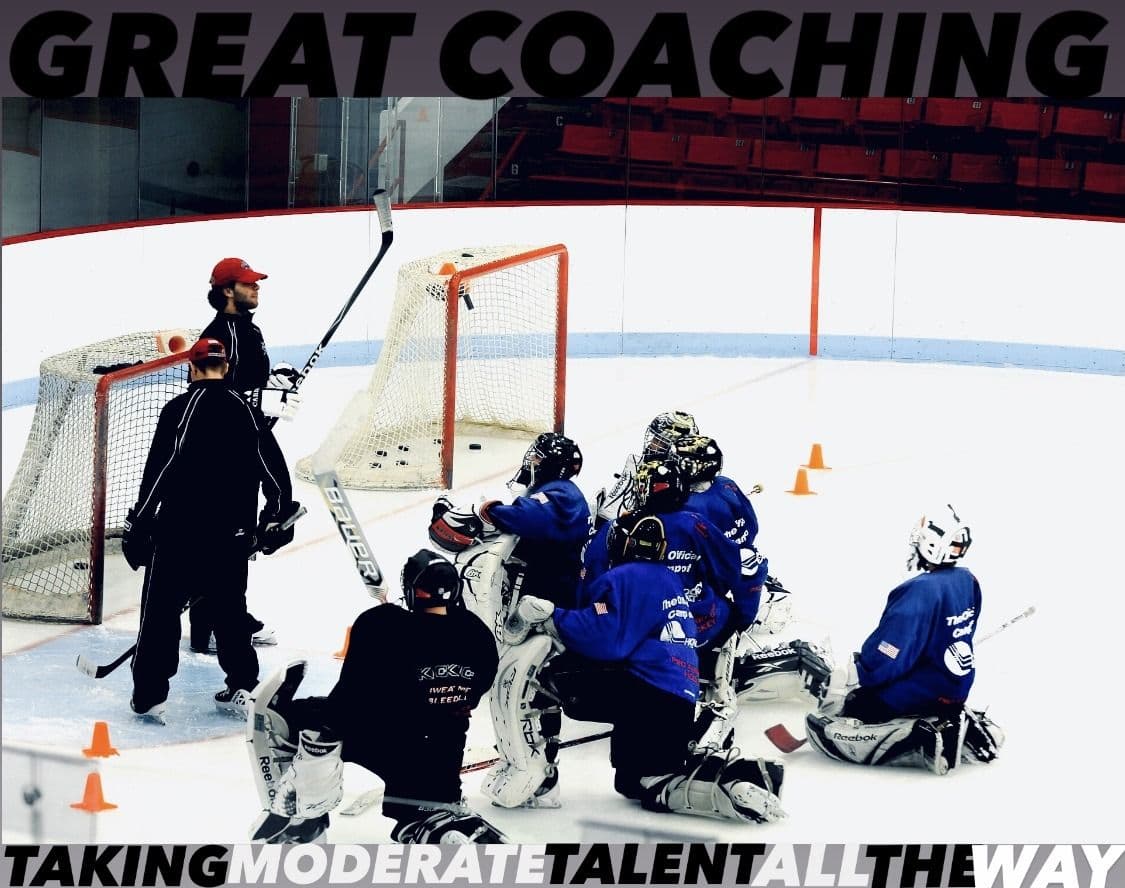
The Coach Sets the Culture
The culture of the team comes from the top. A great coach will communicate his or her vision, and develop players both as individuals and as a group. That vision has to be clear from day one. Players need to know what is expected, what success looks like, and how everyone fits into the bigger picture. When the vision is muddy, the team is muddy.
Everyone needs to be part of the ride, the win, the loss and the season. That is not a feel-good idea. It is the foundation of a team that competes hard when things get difficult.
Getting Everyone Involved
To make it to the upper ranks or win a championship, everyone needs to be all in and play. Bench players need time to develop and feel part of the win too, even if they play only a few minutes, get them in. A player who sits the whole game and never touches the ice is a player who starts to mentally check out. Keep them engaged, give them a job, make them feel necessary.
Starters need time during the game to rest and be kept on their toes when they make mistakes. Complacency is the enemy of a competitive lineup. The best players on your team should never feel like their spot is guaranteed no matter what they do.
Using Mistakes as a Teaching Tool
Hockey is a game of mistakes, everyone makes them. Learn from mistakes and losses and wins. The mistake is not the problem. Ignoring it or refusing to talk about it is the problem. After every game, good or bad, the same questions should be asked: Why? How? What went well? What can we improve?
Great coaches build that process into the team's routine. It becomes a habit, and eventually players start asking those questions themselves without being prompted.
Keeping Opponents Guessing
Pivot and be flexible to change things up, players need to trust their coaches. Opponents do not need to know what is coming at them. Opponents need to be surprised by something out of the ordinary that they cannot study on your prior game films. If you run the same systems the same way every single game, you are coaching for your own comfort, not for your team's best shot at winning.
Be a team player, if your coach puts you in a new position, go for it. Try it. Versatile players are valuable players. Coaches remember who stepped up when asked and who made excuses.
Defining Roles and Building Trust
Great coaches should define responsibilities for each player and tell players why they were chosen for the team and let each person know their key role. This key role may and probably will be fluid as the season progresses. That is not a sign of instability. That is smart coaching that responds to what the team actually needs.
Great coaches are developers of athletes and people. The technical skills matter, but so does what happens between the ears. A coach who only focuses on skating and shooting is leaving half the job undone.
One Coach's Opinion Does Not Define You
All this being said, one coach's vision of you does not define you as a player or person. Always remember that their opinion of you is their opinion. Another coach may view your talent entirely differently. And you can change your current coach's opinion of you.
This is something players and parents both need to hear. Getting cut or getting limited ice time is not a verdict on your future. It is one data point from one person at one moment in time. Keep working.
What Players Can Control
Don't give up, hard work, one hundred percent effort and engagement will pay off. Treat every practice like a playoff game. Use your strengths to stand out in practice. If you are fast, use your speed to beat everyone one on one. If you are the best locker room person, speak up and motivate everyone on the bench and in the locker room.
Don't complain. Nobody moves up the roster by complaining. Train privately away from the team to work on individual skills with professionals with unbiased eyes. Private training fills the gaps that team practice cannot. A coach running a full team session cannot give you the focused repetitions you need to fix a specific weakness. Find someone who can.
Frequently Asked Questions
How can a player with average talent get more ice time?
Show up early, stay late, and make every practice count. Coaches notice effort and attitude before they notice raw talent. Work on the specific skills your coach values, whether that is defensive positioning, puck protection, or winning face-offs. Train privately to accelerate your development between team sessions. When a coach sees a player who competes every single day regardless of circumstances, that player earns trust and earns ice time.
How should parents talk to their child after a bad game or a coaching decision they disagree with?
Keep the focus on effort and attitude, not outcomes or ice time. Ask your player what they think they can improve, not what the coach did wrong. If you have a concern about the coaching approach, address it directly and calmly with the coach, not in front of your child or other parents. The worst thing you can do is undermine the coach's authority in your player's eyes. It makes your child's situation harder, not easier.
What makes a youth hockey coach genuinely effective?
Clear communication, consistent standards, and the ability to develop each player individually while keeping the team unified. A coach who plays favorites, ignores bench players, or runs the same predictable systems every game is limiting the team's ceiling. The best youth coaches produce better people alongside better players.
When should a player consider switching teams or programs?
If a player is consistently not developing, not getting any opportunity to improve in games or practice, and has genuinely put in the private work and effort required, it may be time to find a better fit. But be honest with yourself first. The problem is not always the coach or the program.
Apply It On The Ice
Ready to Put This Into Practice?
Pro Ambitions runs the largest youth hockey camp in North America. Train with coaches who wrote articles like this one.