Game of Hugs
Hockey parents are the backbone of youth player development. Discover why Jeff Serowik and Pro Ambitions celebrate the dedication of hockey families who drive early mornings, invest in training, and build lasting community bonds.
June 30, 2026
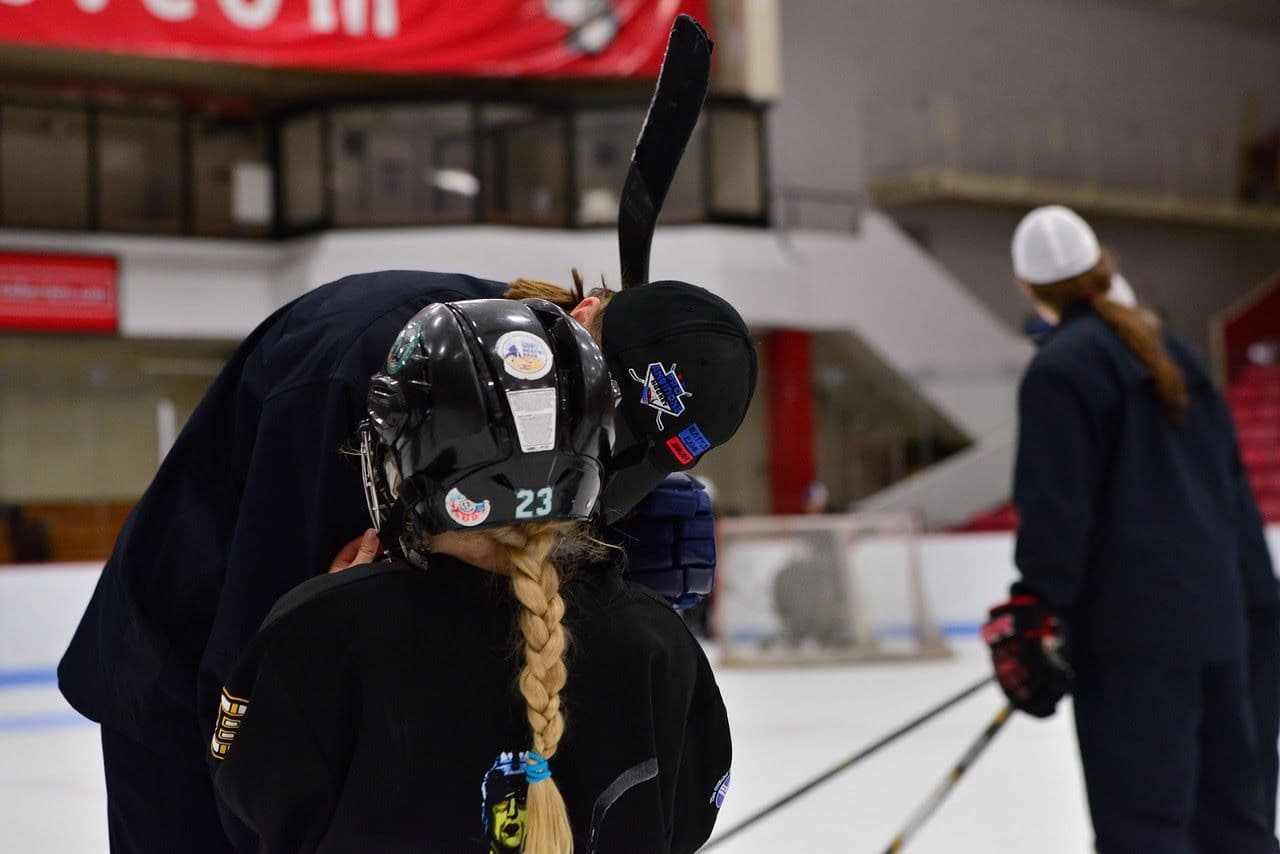
Don't Forget to Hug Your Player Today
Hockey players love hugs. I don't care how tough they act in the locker room. Go hug your kid. Hockey moms deserve a big hug today too, and so do the dads. This sport asks a lot of everyone in the family, not just the player on the ice.
Thank you to all the hockey moms and dads. Without your support and commitment, it would be nearly impossible for your child to excel in this sport. That is not an exaggeration. It is just the truth.
The Dedication of Hockey Families Is Unlike Anything Else
The dedication of hockey parents is unparalleled to any other sport. Think about what that actually looks like: the countless hours of driving, the exorbitant expense of training camps, league fees, tournaments, travel, and equipment. Most hockey parents are up before the sun, running on coffee, doing it all over again the next weekend. You do it because you believe in your kid, and that belief matters more than any skill session we can run.
The financial and time investment hockey demands is real, and it is not lost on coaches like me. When a parent makes that kind of sacrifice, it tells the player something important: this is worth showing up for. Kids feel that. It shapes how they compete.
Hockey Is Hard, and That Is the Point
Hockey is hard. You need to become proficient in several aspects of athleticism, including skating, stickhandling, shooting, passing, and game acumen, and then you need to put it all together at the speed a car travels on a one-inch blade on ice, while trying not to get crushed against the boards and seamless glass.
There is no other sport that demands that combination. Most athletes spend their careers mastering one or two physical skills. Hockey players have to master all of it simultaneously, under pressure, in a frozen environment. When your kid steps on that ice, they are doing something genuinely difficult. Remind them of that when the hard days come.
That difficulty is also the gift. The players who push through the frustration of learning this game build a mental toughness that carries into every part of their lives. I have seen it happen at every level, from youth hockey all the way up to the NHL.
Hockey Players and Hockey Families Are the Greatest People
Hockey players and families are the greatest people. I mean that. Just like in the pros, youth players battle hard but respectfully shake hands after the game. That tradition means something. It teaches kids that competition is not personal, and that respecting your opponent is a sign of strength, not weakness.
Hockey families are the first to open their home to out-of-town players and families, go on a coffee run, pick up a child whose parents are working and cannot get their player to a game or practice, buy the pizzas for the team sleepover, run the snack bar, and fundraise for their team to travel to a tournament. That culture of looking out for each other starts with the parents, and the kids are watching every single move you make.
Hockey brings families together and creates lifelong friendships from near and far. The parents who meet in a freezing rink at six in the morning end up becoming some of the closest friends you will ever have. The players who battle through a tough season together build bonds that last decades. I still have teammates from my playing days who I would do anything for. That starts at the youth level, right in the rinks you are driving to every week.
--
Frequently Asked Questions
How can hockey parents best support their child's development without adding pressure?
Show up, stay positive in the stands, and save the coaching for the coach. After a game, the best thing you can do is ask your kid if they are hungry and tell them you loved watching them play. Players already carry enough pressure from practice and competition. Your role is to be the safe place, not another voice critiquing their shifts. Trust the process and trust the people you have put your child with.
Why is hockey so much more expensive than other youth sports?
The cost comes from every direction at once. Ice time is expensive to rent, equipment is specialized and needs to be replaced as kids grow, and the travel for competitive tournaments adds up fast. There is no way around it. The families who make it work are doing something significant. If budget is a concern, look into local programs, association scholarships, and used equipment swaps. The hockey community is usually willing to help families find a way in.
Is it normal for young hockey players to feel frustrated and want to quit?
Completely normal. Hockey has one of the steepest learning curves in all of sport. Skating alone takes most kids months to feel comfortable, and by then they are trying to handle a puck at the same time. Stick with it through the frustration. The players who grind through those early struggles are the ones who develop real confidence later. Quitting during the hard part means they never get to experience what they worked for.
What makes hockey culture different from other youth sports?
The handshake line after every game is a good place to start. It is built into the fabric of the sport at every level. Beyond that, the shared sacrifice of early mornings, cold rinks, and long road trips creates a bond between families that most sports simply do not produce. Hockey communities tend to take care of their own. That is not an accident. It is a culture that gets passed down from one generation of players and parents to the next.
Apply It On The Ice
Ready to Put This Into Practice?
Pro Ambitions runs the largest youth hockey camp in North America. Train with coaches who wrote articles like this one.