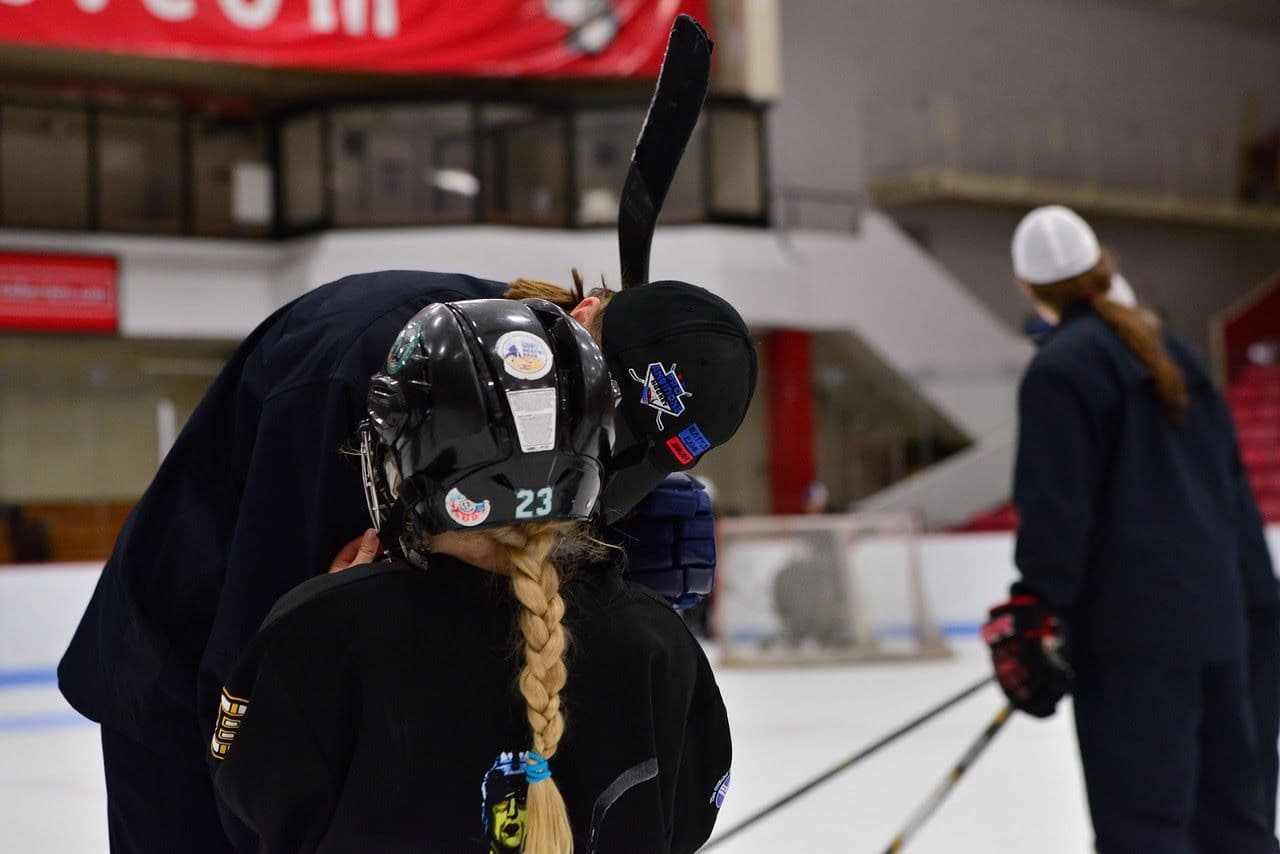
A Reminder From Jeff to Parents to Celebrate The Milestones Small and Big
From first NCAA goals to basement practice sessions, every milestone counts. Jeff Serowik reminds parents why celebrating your player's journey—both victories and lessons—builds lasting hockey success.
June 30, 2026

Congratulations to Our Daughter Pia Serowik
A reminder for parents to celebrate your player's milestones, both small and big. The years and countless hours behind that first NCAA regular season goal are immeasurable and invaluable to me as a Dad and Coach. That moment does not happen overnight. It is the result of a thousand small decisions made over years, most of them made quietly, without an audience.
Every parent and player can relate to the full picture of this journey. Highs, lows, disappointments, tears of joy and pain, car rides, flights, team parties, tournaments, private lessons, camps, commitments, decommitments, and changing club teams for one reason or another. That is the road. There is no shortcut through it, and honestly, you would not want one. The struggle is what builds the player.
The Moments You Cannot Put a Number On
Great job to my little buddy who never wants to miss a game to watch with me, always asking to go shoot in the basement or barn and practice together. That kind of love for the game is not something you can coach into a kid. You nurture it, protect it, and get out of the way when it takes off. As a parent, when you see that fire in your child, your job is to keep feeding it without smothering it.
Those small moments, the extra sessions in the basement, the conversations on the car ride home, the late-night games watched together, those are the foundation everything else gets built on. Do not overlook them because they do not show up on a stat sheet.
Set Goals for Success
Set goals. Write them down for the season. Set little goals and benchmarks to work toward and meet, then proceed moving a little closer to that large end goal that is years in the making. Set small, attainable, realistic goals for each practice.
A player who walks into practice without intention is just going through the motions. A player who walks in with a specific thing to improve, one thing, starts compounding growth over time. That is how development actually works. It is not one big breakthrough. It is hundreds of small ones stacked on top of each other.
How to Build a Goal Structure That Works
Start with the big picture goal, the one that feels almost out of reach. Write it down. Then work backwards. What does this season need to look like to move toward that goal? What does this month need to look like? What does this week need to look like? Now you have something to work with.
Revisit the goals regularly. Not to judge your player, but to have an honest conversation about where they are and what needs adjusting. Goals are not a contract carved in stone. They are a working plan that gets refined as the season develops. Teach your player to own that process early, and they will carry it with them for the rest of their athletic life.
The Parent's Role in the Process
Your job is not to be the coach. Your job is to be the parent. That means keeping the environment at home supportive and stable regardless of what happens on the ice. A bad game stays at the rink. A good game gets acknowledged without being overblown.
Celebrate the milestones when they come, but also celebrate the effort that earns no visible reward. Celebrate the early morning skates, the commitment to offseason training, the decision to stay focused when things get hard. Those choices matter more than the goals scored.
When your player achieves something significant, take a breath and let it sink in. Remember everything that went into it. Then get back to work.
--
Frequently Asked Questions
How do I help my child set realistic hockey goals?
Start by having an honest conversation about where they are right now, not where you want them to be. Look at their current skill level, their age, and what is genuinely within reach this season. A goal like "score more" is too vague to be useful. A goal like "improve my shot on net percentage by working on my release three times a week" is something a player can actually act on. Write it down, revisit it monthly, and adjust as needed.
How do I keep my child motivated through the tough stretches of a hockey season?
Remind them why they started. Go back to the basics. When a player is struggling, the worst thing you can do is pile on pressure or add more expectations. Pull back, simplify, and help them find something small to feel good about every time they lace up. Progress is not always linear. Some of the biggest growth happens right after the hardest stretches.
When should parents celebrate minor milestones in youth hockey?
Every time they happen. A player who gets praised only for major achievements learns to measure their worth by outcomes alone. Celebrate the first time they execute a new skill in a game. Celebrate a week of consistent effort at practice. Celebrate when they push through something difficult. Those acknowledgments build the internal motivation that carries a player through the years when results are not coming easily.
How do I balance supporting my child's hockey dreams without putting too much pressure on them?
Keep the communication open and honest. Ask your player how they feel about their progress, not just what they scored. Make sure the goals are theirs, not yours. Your role is to provide the resources, the environment, and the encouragement. The drive has to come from them. When a kid wants it for themselves, there is nothing that can stop them.
For more information, contact info@proambitions.com
Apply It On The Ice
Ready to Put This Into Practice?
Pro Ambitions runs the largest youth hockey camp in North America. Train with coaches who wrote articles like this one.