Channel Your Frustration
Self-pity is emotional quicksand that distracts you from solutions. Discover how Steve Nash and elite athletes channel frustration into improvement instead of complaints.
June 30, 2026
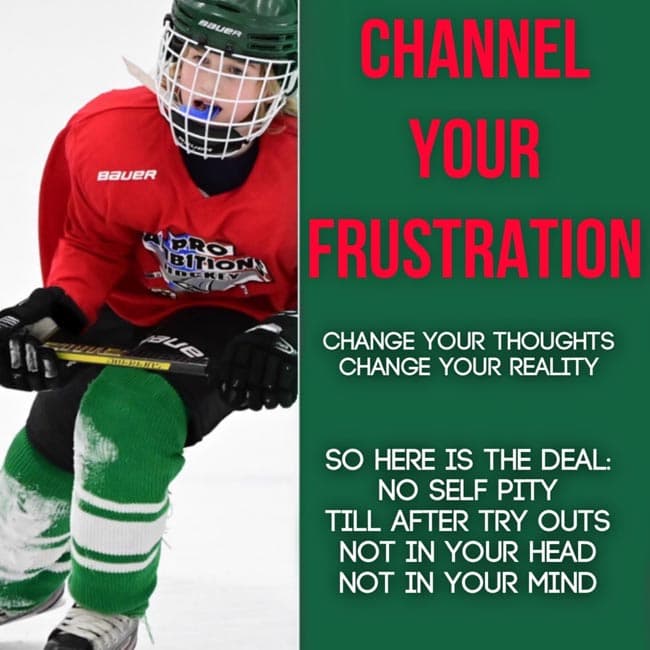
Channel Your Frustration
This is an article from a sport psychologist.
Here's an idea that will transform your life.
As long as you do it, your athletic life will be transformed.
Raise your right hand and say, "I will never let self-pity get the best of me."
What Is Self-Pity?
It's the idea that you should never have to suffer.
Other athletes can endure setbacks, maddening officiating, or bad coaching.
…just not you.
Self-pity tells you the situation is unfair, and that you deserve better. Maybe you do deserve better. It doesn't matter. The game doesn't stop to sort that out, and neither should you. Every minute you spend feeling sorry for yourself is a minute your opponent is using to get better.
How Self-Pity Shows Up in Competition
When something happens you don't like, you take a turn to negative town.
You complain, in your head and to people.
About officiating, coaching, conditions, even your own mistakes.
The list of things to complain about in sport is long and distinguished.
When bad things happen, most athletes indulge their self-pity and complain. They complain in their mind and to anyone who'll listen. They get attention this way.
Self-pity is normal, but it's also emotional quicksand. It pulls you down slowly and you don't even notice it's happening. I've seen talented kids lose their edge mid-game because they couldn't shake a bad call from the first period. It distracts you from finding solutions. Once activated, self-pity wants more pain, and it will feed off itself to make you miserable.
The players who compete at the highest levels learn to treat adversity as information, not injustice. Something went wrong. Adjust. Move on.
Steve Nash: A Case Study
In the NBA, each player gets a box score from the coach.
And the last five letters a player wants to see is DNP/CD. It stands for "did not play, coach's decision."
Basketball superstar Steve Nash got these letters from his coach 14 times straight in his rookie year.
Self-pity?
Not for Steve. Not his style.
He figured playing behind two of the best guards in the NBA was a great opportunity to improve. He said, "The practices are my games. My job is to challenge them every day, and that will pay off for me in the future."
That mindset is the difference. Nash didn't wait for a better situation. He made the situation he had work for him. That's the kind of competitor you need to become. It applies to hockey just as much as basketball. You're riding the bench? Fine. Study the game. Be ready. Make the coach regret every shift you don't play.
Your Challenge
Here's the deal:
No self-pity for the next 7 days. Not in your head and not out loud.
Instead of self-pity, you're going to CHANNEL your frustration.
You're going to make your opponent pay.
This isn't about pretending everything is fine. It's about redirecting that emotional energy into something useful. Frustration is fuel. Anger at your situation is fuel. The players who figure that out early are the ones who last. The ones who wallow in it are the ones who burn out by sixteen and wonder what happened.
While you're re-training your mind, go all the way and re-train yourself for superior mental toughness. One week. No exceptions. See what it does to your game.
→ View All Pro Ambitions Camps and Programs
Frequently Asked Questions
How do I stop feeling sorry for myself after a bad game?
Start by recognizing that the feeling is normal. Every competitor has it. The problem isn't the feeling, it's what you do with it. Give yourself a short window, maybe the drive home, to process it. Then close it. Write down one thing you'll fix at the next practice and move forward. Self-pity only has power if you keep feeding it.
What's the difference between venting frustration and self-pity?
Venting has a purpose. You identify what went wrong, you talk it through, and you move toward a solution. Self-pity loops. It doesn't lead anywhere except more misery and more excuses. If your frustration is pushing you to work harder, that's healthy. If it's pushing you to blame everyone else and check out mentally, that's self-pity. Know the difference.
My kid gets really down on himself after mistakes during games. How can I help?
Don't try to fix it on the ride home. Keep that car ride quiet or talk about something else entirely. Wait until they've cooled down, then have a calm conversation about what they could do differently, not what they did wrong. Kids who struggle with in-game frustration usually need better pre-game mental routines and a coach who gives them tools, not just criticism. That's exactly what we work on in our programs.
Can mental toughness actually be trained, or is it something you either have or you don't?
It's absolutely trainable. Nobody is born mentally tough. They develop it through exposure to adversity and by learning how to respond to it. The athletes who seem unshakeable built that over years of practice, failure, and deliberate work on their mental game. You can develop it at any age. The earlier you start, the better.
Apply It On The Ice
Ready to Put This Into Practice?
Pro Ambitions runs the largest youth hockey camp in North America. Train with coaches who wrote articles like this one.