Wrists and Forearms
Strong wrists and forearms are essential for stick control, shooting power, and defensive play. Discover simple exercises and training methods used by NHL players to dominate on the ice.
June 30, 2026
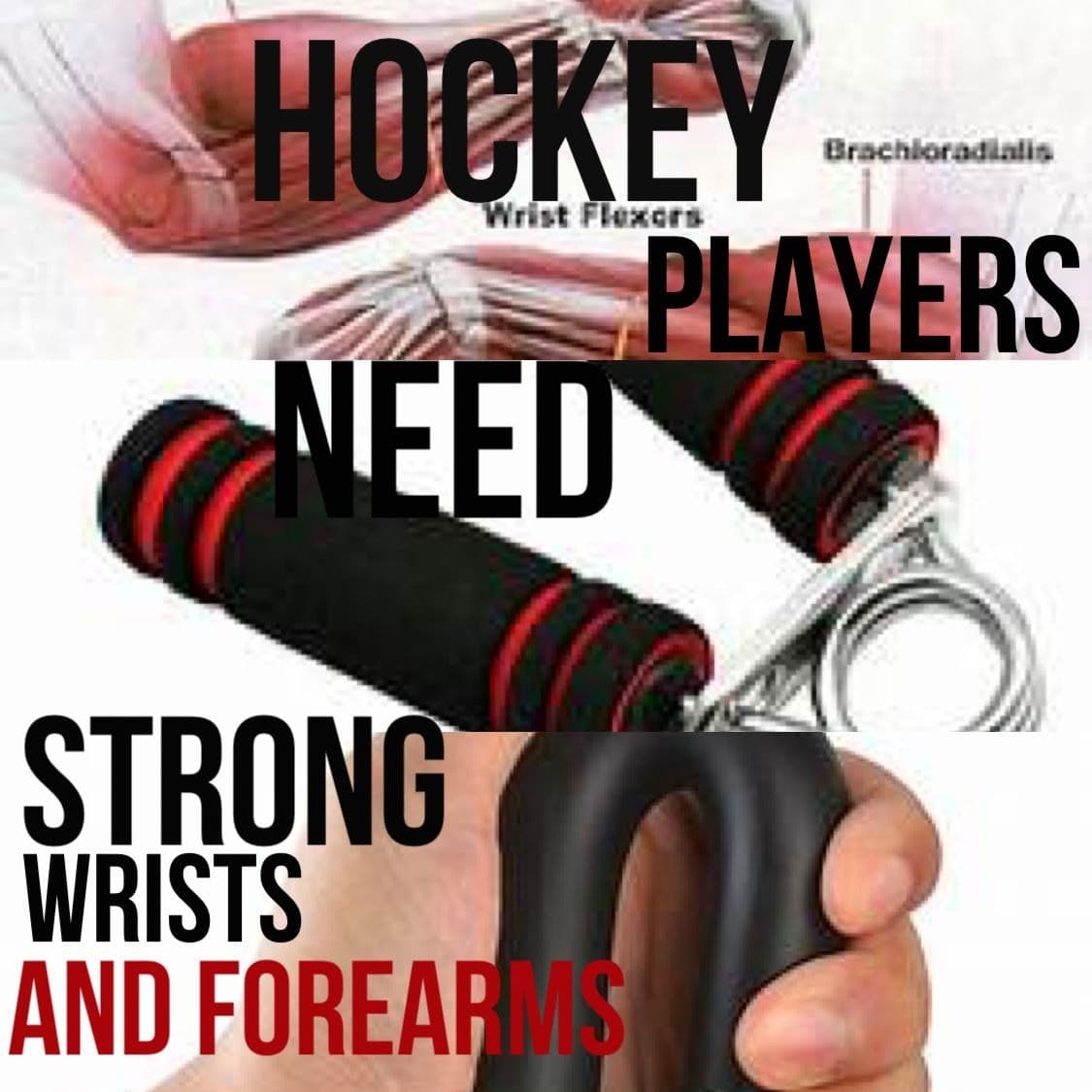
Why Wrist and Forearm Strength Matters in Hockey
The Players Who Were Impossible to Move Off the Puck
At every level I played, youth hockey, college, and pro, there was always a guy. You'd go to poke check him, or you'd try to lift his stick in front of the net, and it would not budge. His stick felt like it was bolted to the ice. Those guys were stronger than me on the puck, and it showed. That kind of strength does not happen by accident. It gets built over time, rep by rep.
Wrist and forearm strength is one of those things that separates players who can be pushed off pucks from players who cannot. It affects your shot, your stickhandling, your ability to protect the puck along the boards, and your effectiveness in front of the net on both ends of the ice. If your wrists are weak, your game has a ceiling you may not even realize is there.
How to Build Wrist and Forearm Strength Without Extra Practice Ice Time
Here is the good news. You do not need a gym or extra ice time to work on this. You just need a wrist gripper, a wrist ball, or a resistance ring. These tools are small, cheap, and effective. Leave them in the car. Hockey families live in the car. You are driving to practice, to games, to tournaments. That is time you can use.
I did this as a youth player. I kept it going in college. I was still doing it as a pro. It is one of the simplest habits you can build, and it pays off directly on the ice. Kids at any age can start this. There is no minimum age to start building grip and wrist strength. The earlier you build the habit, the better.
One more thing worth saying here. A wrist injury in hockey is a serious setback. The recovery is long, and it can affect your shot and your feel for the stick for months. Strengthening the wrists and forearms is not just about performance. It is also about protecting yourself. Stronger tissue around those joints gives you more durability when you take a hit, block a shot, or get your stick caught awkwardly along the boards.
Stick Flex and Modern Shooting Technology
The game has changed. Modern sticks are engineered at a level that did not exist when I was coming up. These are precision tools, and when you learn how to use them correctly, the results on your shot are dramatic. The flex in today's sticks creates a whipping effect that amplifies your power if you load the stick properly through your release.
But here is the thing. You have to be strong enough in your wrists and forearms to actually control that flex and drive through your shot. The technology only works for you when your body can handle it. A player with weak wrists will not load a stick correctly, and they will not generate the power the stick is designed to produce.
We teach how to maximize shooting with modern stick technology at our camps, and these lessons are most effective when players start learning them early. Getting the mechanics right in youth development means players are not spending years unlearning bad habits later. The combination of proper technique and physical strength in the wrists and forearms is what turns a modern stick into the weapon it was designed to be.
Make This a Daily Habit
You do not need a long routine. A few minutes in the car each day adds up over a full season. Keep the tool in the car so you never have to think about it. Squeeze on the way to practice. Squeeze on the way home. Do it while you are watching film or waiting for your ride.
This is the kind of work that does not feel like much in the moment, but over a full season and across multiple years of development, it compounds. The players who do the little things consistently are the ones who show up to tryouts stronger and harder to move. That is the edge you are building.
--
Frequently Asked Questions
What is the best tool for building wrist and forearm strength for hockey players?
A wrist gripper, resistance ring, or gyroscopic wrist ball are all solid options. They are inexpensive, portable, and easy to use anywhere. The best one is the one your player will actually use consistently. Leave it somewhere visible, like the cup holder in the car, so it becomes part of the routine without needing extra motivation.
How young can a hockey player start doing wrist and forearm exercises?
Players can start building wrist and forearm strength at any age. The exercises are low impact and do not require heavy resistance to be effective for younger players. Starting early builds the habit and develops a foundation of strength that pays off as the player gets older and the game gets more physical.
Does wrist and forearm strength actually affect a player's shot?
It directly affects shot power and consistency. You need to grip the stick firmly through your release to transfer energy into the puck. With modern stick technology, you also need to be strong enough to properly load the flex and drive through it. Weak wrists limit what a player can do with an otherwise good shot.
Can wrist exercises help prevent hockey injuries?
Strengthening the wrists and forearms builds more durability in the joints and surrounding tissue. Hockey puts a lot of stress on those areas, from blocked shots to battles along the boards to awkward falls. Stronger wrists are more resilient wrists. It is not a guarantee against injury, but it is a meaningful part of protecting yourself over a long season.
Apply It On The Ice
Ready to Put This Into Practice?
Pro Ambitions runs the largest youth hockey camp in North America. Train with coaches who wrote articles like this one.