Try Out Tips
Don't cram for hockey try outs. Learn how to prepare a month in advance with proper rest, training, and the intangibles coaches evaluate—effort, communication, and hockey IQ.
June 30, 2026
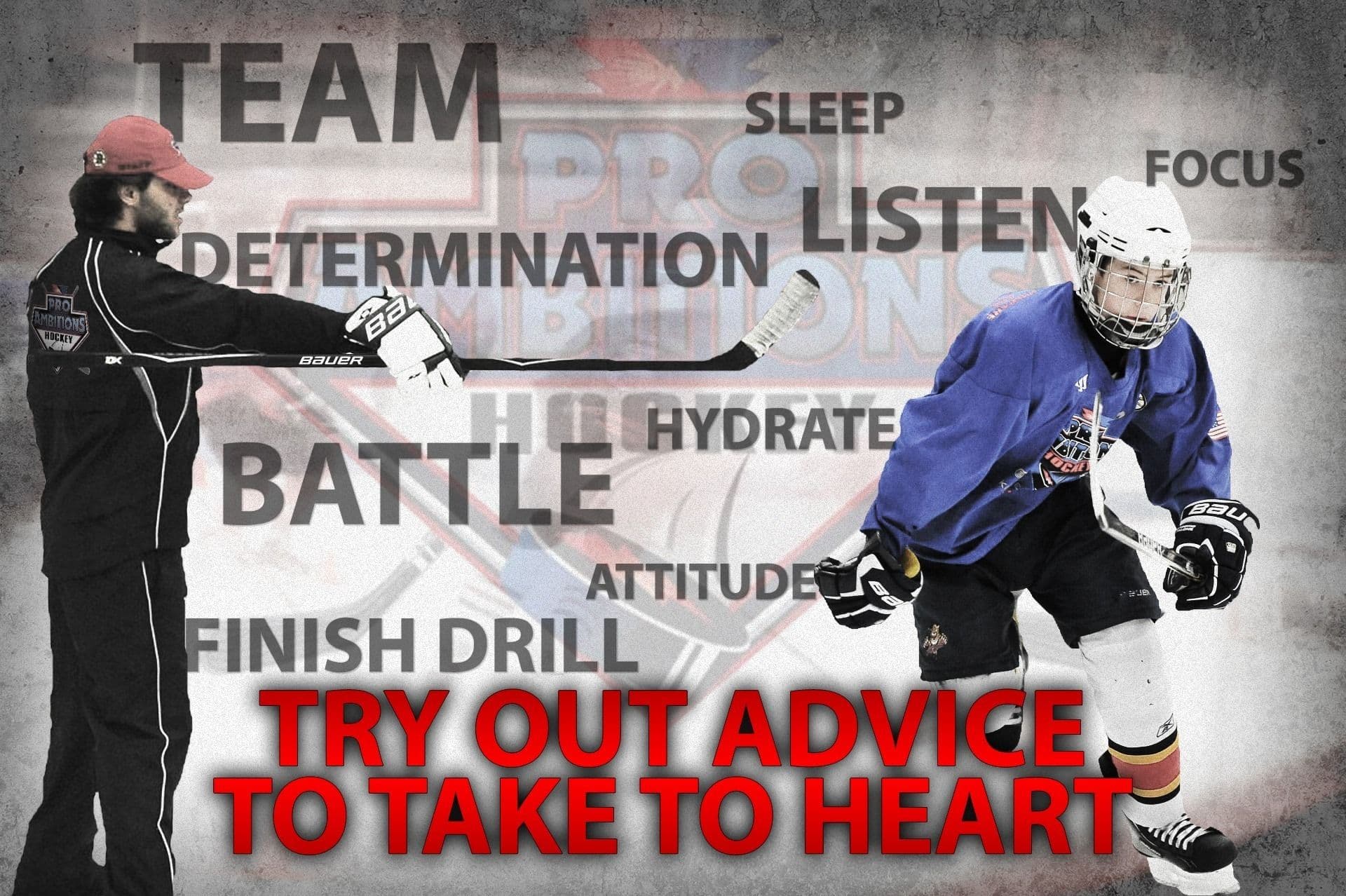
Start Preparing Now, Not the Week Before
Do not cram for tryouts. Get your calendar out and map out the full month in advance. Look at your team obligations, your schoolwork, and start thinking about what social commitments you can cut. A lot of teams hold tryouts in March, which means February is your window. Use it. Players who show up prepared did the work weeks before they ever stepped on that tryout ice. The ones who scramble at the last minute look exactly like what they are.
Start now with proper rest, hydration, stretching, and daily stickhandling and shooting at home. Schedule a private lesson or two. Get into a small group session away from your regular teammates. Treat every practice and game this month like an audition. That mindset shift alone will separate you from most of the kids you are competing against.
What to Do When You Arrive at the Rink
Come hydrated. Get a good night of sleep before each session. Eat a light meal, not a big one. Show up early. Do not stand around talking. Be quiet and focused in the locker room because coaches notice how players carry themselves before they ever touch the puck. Introduce yourself to the coaches briefly before the session starts, then thank them when it is over. Those two moments take ten seconds each and most kids skip them entirely.
On the ice, be vocal. If you are open, say it. Keep your stick on the ice at all times. Transition as fast as you can. When you lose the puck, keep battling. Do not coast or hang your head. The moment you lose possession, you switch from offensive to defensive mindset and you stay engaged. Skate harder to re-engage, not slower. That is exactly what evaluators are watching for.
The Intangibles That Coaches Are Actually Evaluating
Intangibles are what get players cut or kept when the talent level is close. We are talking about effort, communication, body language, and hockey IQ. Most players walk into a tryout thinking they need to out-perform everyone else, so they force plays, take low-percentage shots, and try to do too much. Other players go the opposite direction and get so nervous they stop making plays they normally make in practice without thinking.
The fix for both problems is the same: know what coaches are looking for and play within yourself. Make the right play, not the highlight play. Pass tape to tape. Distribute the puck. Control it. Absorb bouncy passes off the boards without panicking. Get your shot off quickly when the opportunity is there. Make the small things look routine because you have been practicing them all month. We are looking for gamers, not drillers. A player who competes, communicates, and makes smart decisions is worth more than a skilled player who disappears under pressure.
Your Month-Before Checklist
- ▸Knowledge is power. Reading this and thinking about it before tryouts puts you ahead of players who show up cold.
- Practice takes away nervousness. Get reps in now so your hands and feet work automatically when the pressure is on.
- Preparation is not a cramming session. Start now.
- Use your Mr. Assist or shooting pad at home daily. Work on your hands and shot without a coach watching. Self-discovery training matters.
- Watch hockey. College games, NHL games, and your own game tape. Have your games evaluated by a coach if you can. Contact info@proambitions.com for more information.
- Get more sleep. Fuel your body a little better than usual. Small habits add up over four weeks.
- Sit down with your parents and look at the calendar together. Count the days until tryouts. Map out every obligation. Make social sacrifices where you can.
- Schedule one or two privates and ask your coach to work on a specific skill. Board work, edge work, something you actually need, not just something fun.
- Attend an extra small group session or two away from your regular teammates.
- Do all of this and then relax. You will be ready. Do your best and let the chips fall.
Frequently Asked Questions
How early should I start preparing for hockey tryouts?
Start at least a month out. That means mapping your schedule, booking extra ice time, and building better daily habits around sleep and nutrition. One week of cramming does not undo months of inconsistent preparation, and coaches can tell the difference between a player who is ready and one who rushed to get there.
What are coaches actually looking for at a hockey tryout?
They are watching effort, body language, communication, and decision-making as much as pure skill. A player who competes hard, keeps their stick on the ice, calls for the puck, and makes the right play under pressure stands out. Coaches see flashy players every day. Players who are coachable and consistent are harder to find.
How do I handle nerves at a hockey tryout?
Preparation is the answer. The more you have practiced specific skills before tryouts, the less your brain has to think about them in the moment. If your hands and feet know what to do, nerves have less room to take over. Play your game, not a version of your game designed to impress someone.
Should I try to stand out or just play my position at a tryout?
Play your position and make the right play every single time. Trying to stand out by forcing plays is one of the most common mistakes players make. The players who make the team are usually the ones who look calm, make good decisions, and do not give coaches a reason to question their hockey sense.
Apply It On The Ice
Ready to Put This Into Practice?
Pro Ambitions runs the largest youth hockey camp in North America. Train with coaches who wrote articles like this one.