The Significance in Small Group Training and Private Lessons
One private lesson delivers hundreds of touches, corrections, and personalized technique instruction—often more impactful than 20 team practices. Discover how Pro Ambitions' private lessons and small group training create breakthrough moments for developing hockey athletes.
June 30, 2026
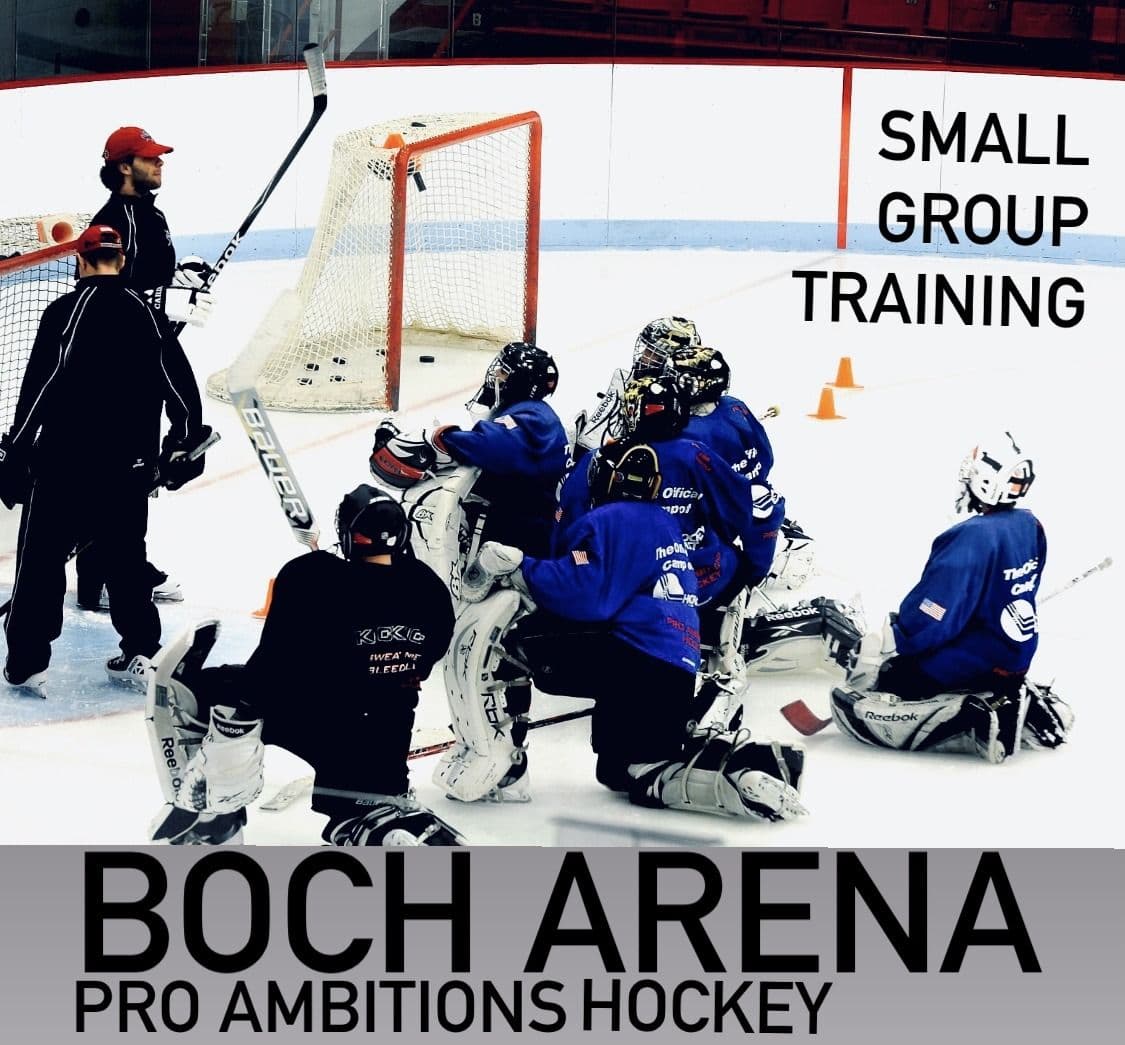
Why Private Lessons and Small Group Training Matter
Athletes who want to play at the next level need more than team practice. Private lessons and small group training are where real development happens. If you are serious about improving, occasional sessions are a start, but consistent work is what separates players who plateau from players who climb. This is not a luxury. It is the edge.
The Problem with Team Practice Alone
One private lesson can make more of a difference than 20 team practices. That is not an exaggeration. In a team setting, a coach is managing a full roster, running drills, keeping order, and putting out fires. Individual corrections get skipped. Repetitions per player are low. You skate hard, you work hard, but you leave without anyone fixing the one thing that is holding you back. That problem compounds over an entire season.
An hour private is hundreds of touches. Hundreds of chances to get a correction, adjust, and do it right. That kind of focused repetition is how technique actually changes.
What Happens in a Quality Private or Small Group Session
A good session is not just skating around and working on your shot. Here is what should be happening:
Technique and Corrections
Every player has habits, some good, some bad. In a private, a coach can identify what is broken and fix it before it gets locked in. For beginners especially, learning proper form from the start matters. Bad habits are harder to undo than they are to prevent. Getting the foundation right early makes practices and games more enjoyable because the player can actually contribute instead of struggling with basics.
Individual Skill Development Tailored to the Player
Not every player has the same deficits. A coach working one-on-one can focus on what that specific player needs, not what the team needs as a whole. D1 college programs understand this. Athletes at that level are given individual sessions with both head and assistant coaches to work on specific strengths and weaknesses. The model works because it is targeted. Youth hockey should operate the same way.
Game Theory, Positioning, and Making Plays
Skill is only part of it. A private is also the right place to teach a player how to think on the ice. Positioning, reading the play before it develops, knowing which stock plays to make in certain situations, this is the stuff that makes coaches notice a player. Any kid can skate fast. The players who stand out are the ones who are always in the right spot and make the right play at the right time. That is teachable. It just takes dedicated time to teach it.
The "Ah Ha" Moment
Every coach knows what this looks like. A player is struggling with a concept, you show it a different way, and then it clicks. The light goes on. They get it. Those moments do not happen in a team practice where the drill keeps moving and the coach moves on. They happen when there is time and space to work through something until it makes sense. That is the value of a private.
Privates Are Not Just for Beginners
There is a misconception that private lessons are remedial, something you do when you are behind. That is backwards. Professional athletes train privately throughout their careers. They are always working on something. A skill, a shot, a skating edge, a positional habit. The best players in the world never stop getting coached individually because they understand that there is always something to improve.
The best lesson I learned in hockey, and it came late, was that I have a lot to learn. That mindset is what keeps good players getting better instead of coasting on what already works.
Who Benefits Most
Every player benefits, but the impact shows up differently depending on the level.
For beginners, a private creates a foundation. They learn the right way from the start, build confidence faster, and see more playing time earlier because they can actually execute the basics.
For developing players, it addresses the specific gaps that are limiting their game. One session focused on the right weakness can unlock a player who has been stuck.
For advanced players chasing the next level, it is about sharpening what is already there and adding layers. Smarter positioning, better reads, tighter technique under pressure. The margins get smaller as the level gets higher, and privates are where those margins get worked on.
Frequently Asked Questions
How often should a youth hockey player take private lessons?
It depends on the player's goals and schedule, but consistency matters more than frequency. One session a month done consistently over a full season will produce more results than a burst of lessons before tryouts and nothing after. If a player is serious about moving up, building private training into the regular routine is the move.
Are small group sessions as effective as one-on-one privates?
They can be, especially for players who are close in skill level. Small group sessions allow for competitive repetitions and peer accountability, which can actually push a player harder than a solo session. The key is keeping the group small enough that the coach can give individual attention and corrections. If the group gets too large, you lose the benefit.
At what age should a player start taking private lessons?
There is no wrong age to start. Younger players benefit from learning proper technique before bad habits set in. Older players benefit from targeted work on specific deficits. If your child is showing genuine interest in improving and playing at a higher level, that is the right time to start.
What should I look for in a private hockey coach?
Playing experience matters, but coaching experience matters more. You want someone who can break down a skill and explain it in a way a young player actually understands. Watch how they communicate with kids. A coach who gets frustrated or talks over a player's head is not going to create those light bulb moments. The right coach makes the player feel capable and gives them something concrete to work on after every session.
Apply It On The Ice
Ready to Put This Into Practice?
Pro Ambitions runs the largest youth hockey camp in North America. Train with coaches who wrote articles like this one.