THE NON STARS ON THE TEAM
Early success doesn't guarantee elite hockey futures. Jeff Serowik reveals why late bloomers often surpass early achievers and how consistent training unlocks hidden potential.
June 30, 2026
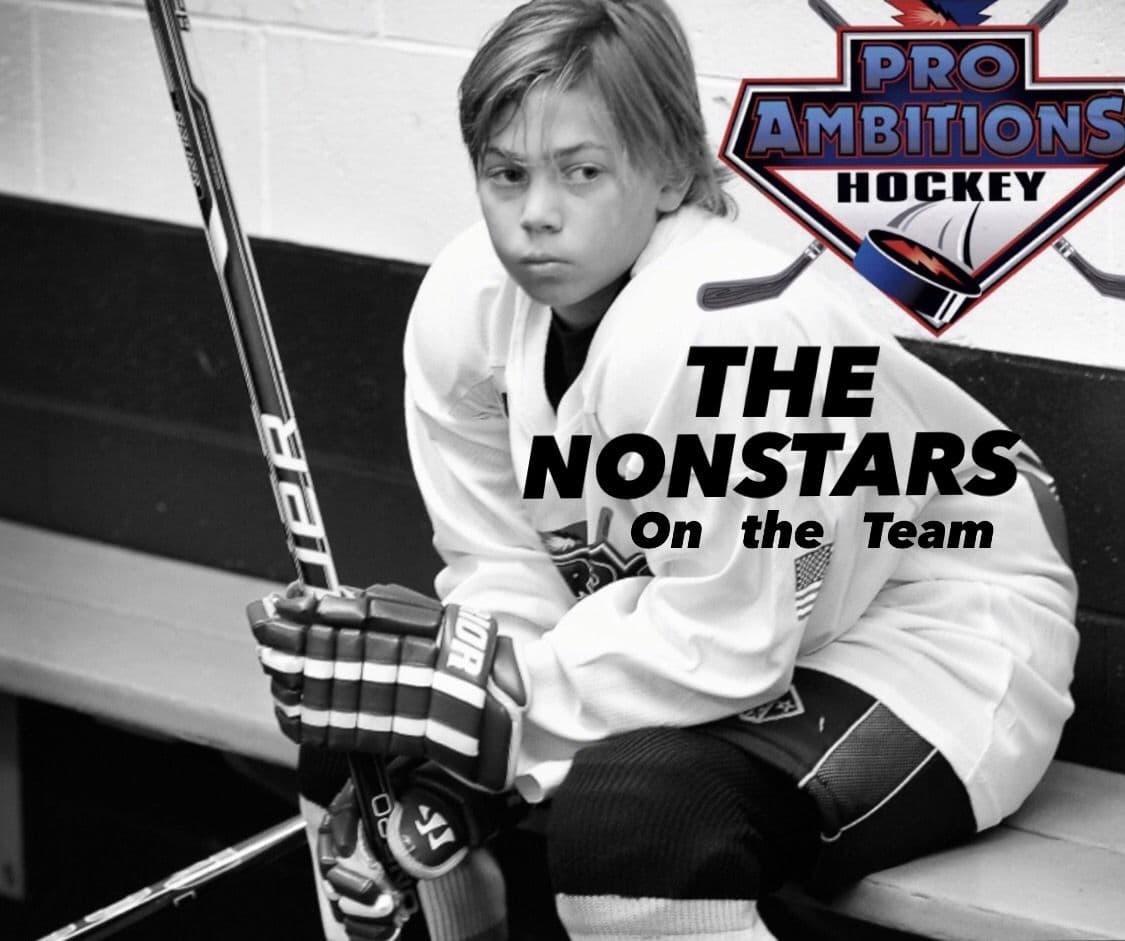
The Non Stars on the Team
This article is about late bloomers. Don't count them out. And on the other hand, the early bloomers, don't count them out either. Some kids come year after year and then their hard work begins to pay off right in front of our eyes. They hit their stride later. With the technologically advanced world we live in today, athletes are training on and off the ice with the power of information, nutrition, apps, and video. The kids who put the time in are the ones that will eventually hit their stride, both the nonstars and the stars. But only if they don't give up.
Early and Late Bloomers
Some players are early bloomers who enjoy early success in hockey because they develop faster, not always because they have more raw athletic talent. Some players who appear to be only average athletes or lag behind their peers may be late bloomers whose athletic talent will only become apparent later when they are teenagers. Sometimes they may ultimately be more gifted hockey players. We train thousands of players annually and see early and late bloomers all of the time. We have the perspective of seeing them annually and assessing their different rates of growth over the span of several years.
What I want parents and players to understand is that a snapshot of where your kid is at age ten or twelve is not the full picture. The body changes. Confidence builds. The game slows down for players who keep working at it. I have watched kids who were the last on the depth chart at fourteen become serious players by seventeen. Patience is not passive. It has to be paired with consistent effort.
Stars and Non Stars: Both Matter
We assert that both the stars and the non stars of a team are equally important members of the team. Not every player on the team is a first liner. Every team needs three or four lines of players to make up a complete roster.
The players on the third and fourth lines set the tone in practice every single day. They push the top players to stay sharp. They bring energy, they forecheck hard, they do the work that does not always show up on the scoresheet. Coaches notice that. Scouts notice that. Character gets you on the ice in tight games.
Training and Development Off the Ice
Focus on controlling what you can control. Work on stickhandling at home, shooting at home, strength and conditioning at home, and strengthening your core. Study your favorite NHL and college players in online or televised games. Learn from them. Watching them is improving your own hockey IQ. Take advantage of having time to catch up on sleep, hydration, and nutrition as athletic fuel for your body. You can also build an outdoor rink, even a small one, at home with supplies from a hardware store.
The players who separate themselves are the ones who find twenty to thirty minutes a day to work when nobody is watching. It adds up fast over a season. Shoot a hundred pucks in the driveway. Do your footwork. Stretch. The off-ice habits you build now will carry you further than any single camp or tournament ever will.
Recruiting and Character Building
If you are in your recruiting years, reach out to coaches and people you trust for help. Many times the right people advocating on behalf of your player will be the difference maker. Sports are humbling for all of us. The ups and downs of hockey will build character and make you a hungrier and grittier player. A better player. One thing for sure is that the hockey community is tight and we are all willing to help each other.
Do not wait for coaches to find you. Be proactive. Send film, write emails, make phone calls. Show coaches who you are as a person, not just as a player. Coaches at every level recruit character and coachability alongside talent. The non star who plays hard, communicates well, and shows up every day is an attractive recruit. That reputation follows you.
Frequently Asked Questions
How can I tell if my child is a late bloomer in hockey?
Late bloomers often look average or slightly behind their peers in the early youth years, but they continue to improve steadily when given the opportunity to train and compete. Look for a kid who loves the game, stays coachable, and keeps working even when results are not coming yet. Physical maturation varies widely between ages ten and sixteen, and a player who fills out physically and gains confidence during those years can make dramatic jumps in a short window of time.
What should a non star player focus on to improve their chances of moving up?
Focus on the things that are always in your control. Compete hard in every drill, be the best you can be in practice, and develop your skating and hockey sense off the ice through video and repetition at home. Coaches keep non stars on their rosters because they trust them, and trust is built through consistency. Be the player who never takes a shift off.
When should a player or family start the college recruiting process?
Start making contact earlier than you think you need to. Do your research on programs that fit your academic and athletic profile, and reach out to coaches directly. Having the right people in your corner, whether that is a coach, a trainer, or someone in the hockey community who knows your player, can open doors. The players who get recruited are not always the most talented. They are often the ones who were most prepared and most visible.
Does playing on a lower line hurt a player's chances of being recruited?
Not if that player competes the right way. Recruiters look at compete level, skating, and how a player impacts the game, not just point totals. A player who blocks shots, wins battles along the boards, and gives full effort every shift will get noticed. Your line assignment is a starting point, not a ceiling.
Apply It On The Ice
Ready to Put This Into Practice?
Pro Ambitions runs the largest youth hockey camp in North America. Train with coaches who wrote articles like this one.