The Key to Success
Success in youth hockey comes from mastering technique and executing with precision. Learn how Pro Ambitions focuses on skill development to earn more playing time next season.
June 30, 2026
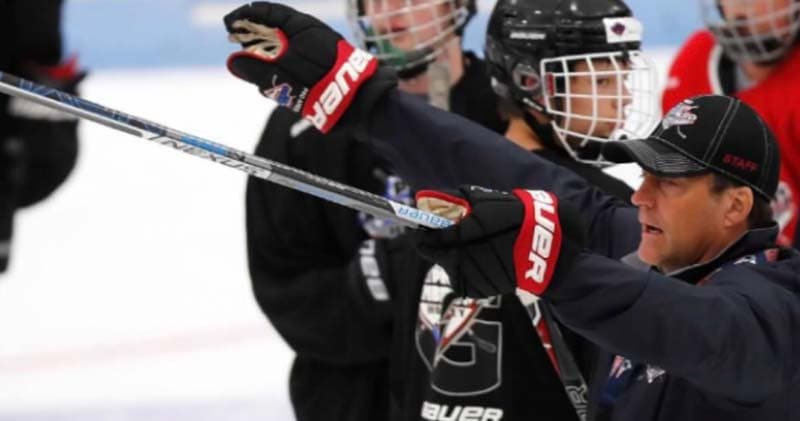
The Key to Success Is Development
The key to success is development. That is our mission. That is what our focus always has been. Not flashy drills for the sake of looking busy. Not running kids through the same tired routines year after year. Real development means understanding what skills matter, building them the right way, and holding players accountable to executing those skills under pressure.
Every great player you have ever watched got there because someone taught them the fundamentals and then pushed them to repeat those fundamentals until they became automatic. That process does not happen overnight. It takes patience, and it takes honesty about where a player actually is versus where they think they are.
Technique Is the Foundation
Learning the techniques of hockey and gaining speed at executing those techniques with more precision is what separates players at every level. Whipping crisp and precise passes and shots will equal more playing time. Coaches at every level, from youth hockey all the way up through professional hockey, are watching to see who can consistently execute under game speed. That is the player who earns ice time.
Technique is not something you work on until you think you have it. It is something you work on until you cannot do it wrong. A sloppy pass in a game is usually a sloppy pass in practice that nobody corrected. We correct it. That is the job.
Passing and Shooting Precision
When I talk about crisp and precise passes, I mean passes that arrive on your teammate's tape with pace and accuracy, every single time. Not sometimes. Not when the play is easy. Every time. The same goes for shooting. A player who can release a shot quickly and accurately from any position on the ice is a player who creates problems for goaltenders and defenders. That skill does not come from talent alone. It comes from thousands of repetitions done with intention.
Skating and Speed of Execution
Technique without speed is not enough at the higher levels. The game gets faster as you move up. A player who can execute a skill slowly in practice but falls apart under game speed has not truly learned that skill yet. That is the gap we are always working to close. Skating mechanics, edge work, and stride efficiency are areas where small improvements create big results over time. Better skating makes every other skill on the ice easier to use.
Effort and Conditioning
Effort and conditioning are no brainers. The great players don't get tired!
That line is simple, but it is serious. When you are in great condition, your mind stays sharp, your technique holds up, and your compete level stays high when other players are fading. Fatigue is the enemy of execution. When a player is gassed, their passes get sloppy, their feet stop moving, and their decisions slow down. That is when games are lost.
Conditioning is not separate from skill development. It is part of it. A player who has put in the work off the ice shows up on the ice ready to absorb coaching, push through hard reps, and compete for a full sixty minutes. That player gets better faster. There are no shortcuts here.
What Development Actually Looks Like
Development is not a single camp or a single season. It is a long-term commitment to getting better at the details. At Pro Ambitions, we focus on teaching players not just what to do, but why they are doing it. When a player understands the reason behind a technique, they can self-correct in a game. That is a player who keeps improving even when a coach is not standing right next to them.
The players who make it are the ones who love the process, not just the results. They come into a session looking to solve something, and they leave with real progress they can build on. That mindset, combined with the right instruction and genuine effort, is what development looks like.
--
Frequently Asked Questions
What is the most important skill to develop in youth hockey?
Skating is the foundation of everything. If a player cannot skate efficiently, every other skill is limited. After skating, puck handling and passing precision are the areas that will have the biggest impact on a player's ability to compete and earn ice time at higher levels. Work on the fundamentals first. The fancy stuff comes later and only means something if the basics are locked in.
How long does it take to see results from focused hockey development?
There is no single answer, but players who train consistently and with intention typically start to see measurable improvement within a few months. The real gains show up over years, not weeks. Development is a long game. Parents and players who understand that are the ones who stay the course and end up reaching levels that others quit before reaching.
How important is off-ice conditioning for a hockey player's development?
It is extremely important and is often overlooked at the youth level. A player who is in excellent physical condition skates harder, recovers faster between shifts, and maintains better technique throughout a game. Off-ice training does not need to be complicated. Consistency matters more than anything else. Building habits around conditioning early in a player's development pays off for their entire career.
How do I know if a hockey development program is actually working?
Look for improvement in the fundamentals, not just wins and losses. Is the player skating better? Are their passes crisper? Is their shot release quicker and more accurate? Are they making better decisions in game situations? Those are the real indicators. A good program will also be direct with players and parents about where gaps exist and what the plan is to address them. Honest feedback is a sign of a program that actually cares about development.
Apply It On The Ice
Ready to Put This Into Practice?
Pro Ambitions runs the largest youth hockey camp in North America. Train with coaches who wrote articles like this one.