REMEMBER SUCCESS IS A PROCESS
Success in hockey is a process, not an overnight achievement. Discover how winning one-v-one battles for the puck, maintaining head-up play, and relentless work ethic translate to increased playing time and competitive dominance.
June 30, 2026
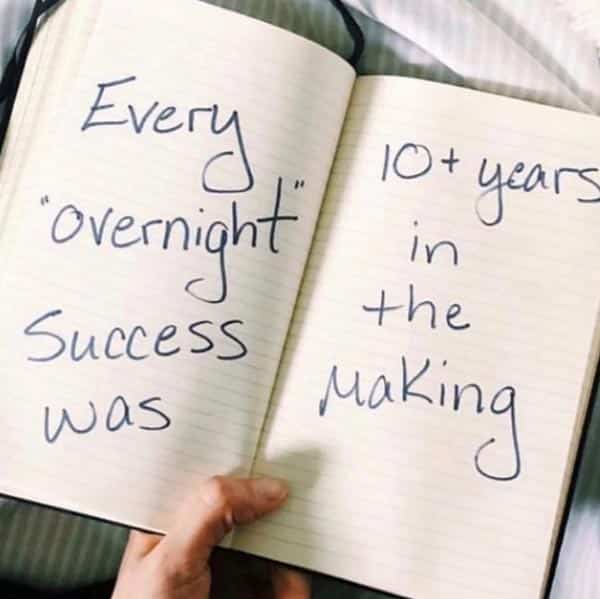
Success Is a Process
Everyone wants more playing time. How do you get that? The answer is not one big moment. It is a hundred small decisions made every single practice, every single shift.
Winning the Battle for the Puck
Every time you go in for a one-on-one battle, every ounce of inertia, determination, stamina, willpower, and grit in your body has to be engaged. Get low. Sharp elbows. Greasy grit. Strong core and full body engagement to protect the puck and yourself.
When I was playing, I was worried I would be benched if I lost a battle for the puck. That fear kept me sharp. Good coaches notice who competes for loose pucks and who doesn't. Winning battles is not about size. It is about wanting it more than the other guy and being willing to put your body in the right position to make it happen.
On-Ice Skills to Work Toward This Season
These are not tricks. These are habits that separate players who get ice time from players who watch from the bench.
Receive the Pass on the Move
Many youth hockey players stop their feet when they receive a pass, then look down, then stickhandle, then go. That sequence kills your speed and telegraphs exactly what you are doing to the defense. Work toward receiving the pass while moving fast, without looking down at the puck. AAA-level players receive the pass on the move and dish it immediately. That skill starts at home, handling the puck without looking at it until it feels automatic.
Be Two Steps Ahead
Look for your options before the puck gets to you. Your head should already be scanning the ice, identifying where your linemates are and where the pressure is coming from. Players who are always looking two steps ahead make faster decisions and put their team in better positions. This is a habit you build deliberately, not something that just happens.
Head Up, Eyes Up
If you are staring at the puck, you are not reading the game. Keeping your head up takes a lot of repetition and puck-feel work done off the ice, at home, in the garage, wherever you can get touches. The players who put in that time are the ones who can skate full speed and still see the whole ice.
Net-Front Presence
Being greasy in front of the net means sharp elbows, strong core, and a willingness to take a hit to stay in position. Defenders do not like it. That is the point. Goals come from hard work in the dirty areas, not from standing on the perimeter waiting for a perfect pass.
Off-Ice Habits That Drive Development
Playing time is decided long before you step on the ice. There are countless hours behind the scenes that determine who gets it.
Watch Your Shifts on Video
Pull up your shifts, especially the five seconds before a goal gets scored against your team. Watch what you did, what you missed, and what you could have done differently. Have honest conversations about it, not to tear yourself down, but to learn. Players who study the game develop faster than players who just play it.
Be a Student of the Game
Watch high-level hockey with a purpose. Notice how forwards backcheck, how defensemen angle opponents off the puck, how skilled players move without the puck. You can pick up positioning, habits, and reads just by watching closely and asking the right questions.
Practice at Home
Stickhandling, shooting, skating edges in the driveway. It adds up. The players who work at home are not doing it because someone told them to. They do it because they love the game and they want to be better. That mentality shows up on the ice.
Small Group Training and Private Skills Work
Small group sessions and private skating or skills work give you focused reps in a way that team practice cannot always provide. If you are serious about developing, that individual time matters.
Commit to the Process
Parents and players, remember this. There are no shortcuts. Reset daily, enjoy your teammates, your coaches, and your hockey families. The players who love the process are the ones who are still playing and still improving years from now.
For more information or questions, contact us at info@proambitions.com
Frequently Asked Questions
How do I get more playing time in youth hockey?
More playing time comes from competing hard on every shift, making good decisions with the puck, and showing your coach that you can be trusted in key situations. Focus on the habits you can control, skating with urgency, winning battles, keeping your head up, and working on your game between practices. Coaches notice the players who compete consistently, not just when it is easy.
Why do youth hockey players need to keep their head up?
Keeping your head up lets you read the play before it develops. If you are watching the puck on your stick, you are reacting instead of anticipating. The best players see the pass coming and already know where they are going with it. That skill takes repetition off the ice so the puck-feel becomes automatic and you can skate and see the ice at the same time.
How important is off-ice training for a youth hockey player?
It is very important. The players who work at home, on stickhandling, on edge work, on watching game film, are building habits and feel that show up directly in games. Team practice gives you shared reps. Individual work gives you personal development. Both matter.
What does "being a student of the game" actually mean?
It means watching hockey with purpose, not just as entertainment. Study how players move without the puck, how they backcheck, how they angle opponents. Ask your coaches questions about positioning and reads. Reflect honestly on your own shifts. The mental side of hockey develops the same way the physical side does, through deliberate attention and repetition over time.
Apply It On The Ice
Ready to Put This Into Practice?
Pro Ambitions runs the largest youth hockey camp in North America. Train with coaches who wrote articles like this one.