Periodized Training
Periodized training divides the hockey year into strategic phases to maximize performance and minimize injury. Discover why summer is the critical mesocycle for peak conditioning at training camp.
June 30, 2026
What Periodized Training Actually Means
I believe in periodized training for hockey players. This is not a new concept. Periodized athletic training goes back as far as the ancient Olympic games, and the principles behind it have held up for a reason. The metrics are actually quite simple and make a lot of sense. It is the manipulation of training volume and intensity with short unloading phases in order for the athlete to reach peak condition at the appropriate time. The goal is to minimize injury and reduce the risk of overtraining.
Too many players and parents chase more volume, more ice time, more everything. That is not how you build a better hockey player. Smart programming means knowing when to push and when to pull back. That balance is what separates athletes who peak at the right moment from those who grind themselves down before the season even starts.
The Hockey Year Broken Down Into Mesocycles
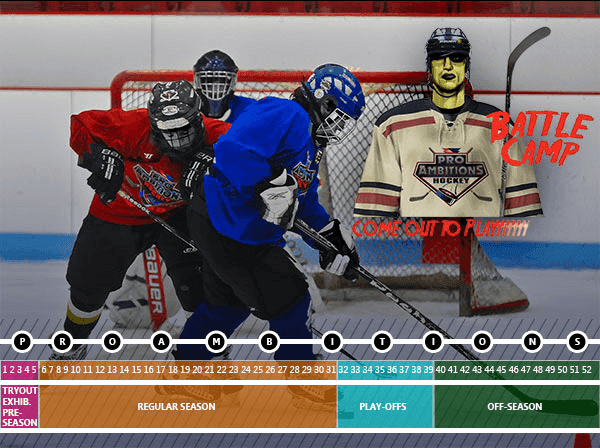
When we talk about periodized training for hockey players, the year is divided into distinct phases called mesocycles. For a hockey player, those mesocycles are pre-season and tryouts, the regular season, playoffs, post-season rest, and summer training. Each phase has a specific purpose. Training in each one should look different, because the demands on your body are different.
Understanding this structure is the first step. A lot of players treat every phase the same way, and that is a mistake. You do not train in February the same way you train in July. If you do, you are leaving development on the table.
Why Summer Is the Most Important Mesocycle
I have written about what I call the summer hockey growth spurt. For me personally, summer was the most important mesocycle in my entire periodized training plan, from my prep school years all the way through my pro career. What you do over the summer makes all the difference in how you perform when it counts.
Studies have shown that the summer mesocycle is the most critical phase for achieving peak performance prior to training camp or tryouts. This is when real growth happens. The season is about maintaining and executing. The summer is about building the foundation that makes that execution possible.
Hockey is a long season, longer than most other sports. Peak condition needs to be reached before the competitive year begins, and then maintained throughout. If you show up to camp already behind, you are playing catch-up from day one.
What Summer Training Should Look Like
Summer is not the time to coast. It is also not the time to burn yourself out by doing random workouts with no structure. The best summer programs are built around a clear progression, with increases in volume and intensity over time, followed by a deliberate unloading phase before camp begins. Your body needs that recovery window to absorb the work you put in.
Off-ice strength and conditioning, skating development, and skill work should all be planned together, not treated as separate pieces. When those elements are coordinated properly, the gains compound. That is when you start to see a real jump in your game come September.
The Season: Maintenance and Execution
In-season training is typically called the maintenance mesocycle. The frequency of training is reduced compared to the summer. That is intentional. Your body is already under significant stress from practices, games, and travel. The goal during the season is not to add more load. It is to stay sharp, stay healthy, and execute what you have already built.
This is where a lot of young players make errors. They either stop training completely during the season or they keep pushing at summer-level intensity. Neither approach works. A smart in-season program keeps the muscles activated and the nervous system primed without digging a hole you cannot recover from.
The Summer Mesocycle Is the Key
The summer mesocycle is the key to a hockey player's growth in the game. This is the time to train wisely and efficiently with people who know what they are doing. Working with coaches who understand hockey-specific development and periodization is not optional if you are serious about moving your game forward. The players who show up to camp noticeably better every year are the ones who treated their summer like a job.
For more information about our training programs, contact info@proambitions.com.
--
Frequently Asked Questions
What is periodized training and why does it matter for hockey players?
Periodized training is a structured approach to athletic development where training volume and intensity are intentionally varied across different phases of the year. For hockey players, this matters because the season is long and physically demanding. If you train at maximum intensity all year without a plan, you either peak too early, get hurt, or both. Periodization gives your development a direction and helps you arrive at key moments, like tryouts or the start of the season, in your best possible condition.
How should a hockey player train differently in the summer versus during the season?
Summer is your window for real growth. You have the time and the recovery capacity to handle a higher training load, push your strength and conditioning, and develop your skills without the constant grind of games and travel. During the season, the goal shifts to maintenance. You reduce the frequency and volume of off-ice work and focus your energy on execution. The foundation you built in the summer is what carries you through a long competitive season.
When should a hockey player start their summer training program?
Ideally, you take a short post-season rest period first. Give your body and your mind a genuine break after the season ends. Then get into a structured summer program as early as possible to maximize the time you have before training camp. Waiting until August to start leaves too much development on the table. The players who start early, train with a plan, and finish with a proper unloading phase are the ones who show up to camp ready to compete.
Is summer training more important than in-season training for player development?
Yes. Research supports what I saw throughout my own career. The summer mesocycle is where the most significant growth in a hockey player's game happens. In-season training is critical for staying healthy and maintaining your edge, but the actual improvement in your strength, speed, and skill level is built during the off-season. The season rewards the work you put in over the summer. There is no shortcut around that.
Apply It On The Ice
Ready to Put This Into Practice?
Pro Ambitions runs the largest youth hockey camp in North America. Train with coaches who wrote articles like this one.