Make The Most Out of Your Off Season
Discover how to make the most of your hockey off-season. Elite players use summer months to train strategically, play other sports, and build skills that set them apart from the competition.
June 30, 2026
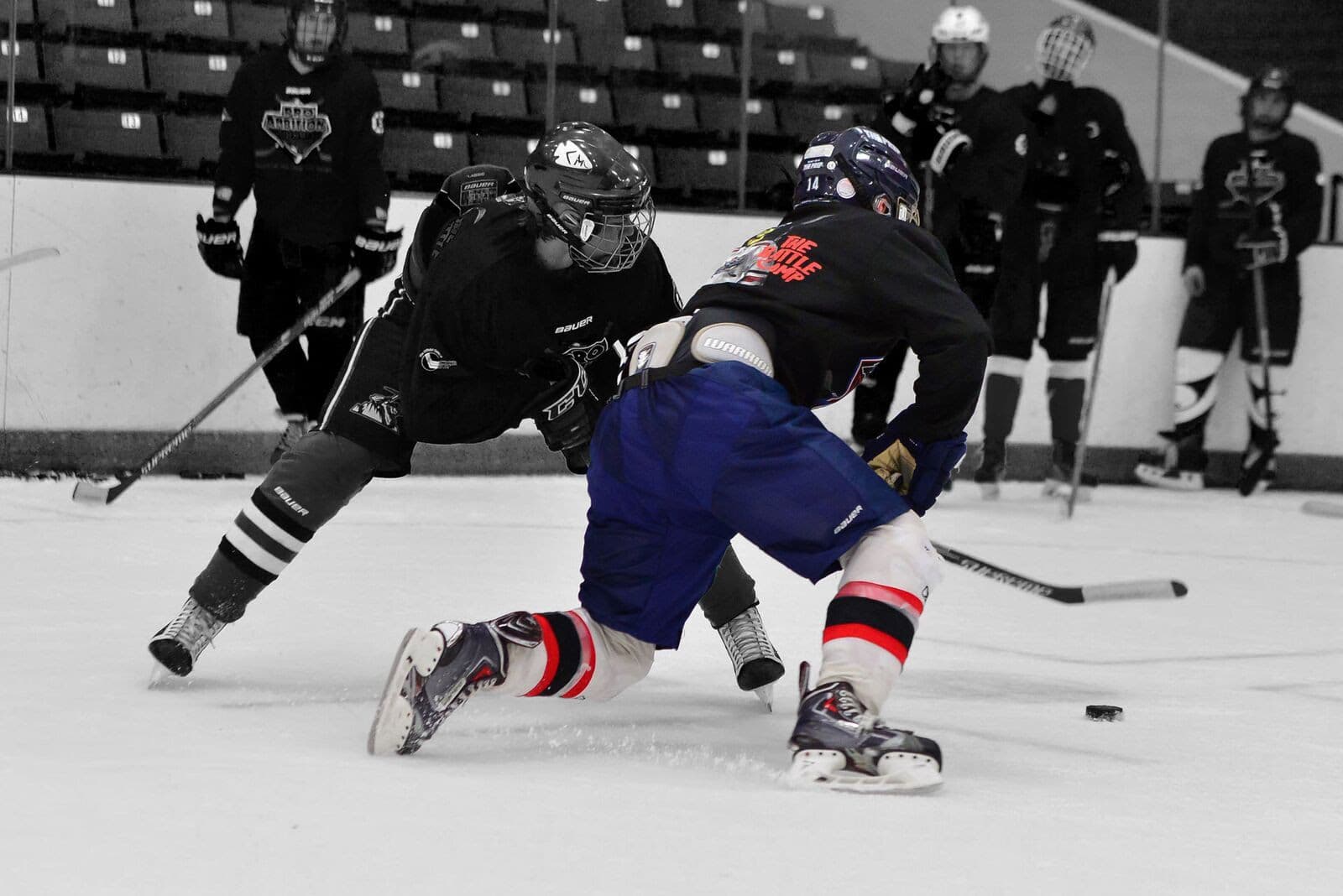
The Off Season Is When Champions Are Made
The off season is when most competitive athletes seek to improve and gain an advantage over their competition. I know I did, and that is what I encourage my campers to do. Most players rest and disappear. The ones who show up in September noticeably better than they were in March did something with their summer. That gap is created right now.
Take Some Real Time Off First
That said, this is your off season, so take some time off and play other sports. Multi-sport athletes make the best athletes. We study all of this. Multi-sport athletes yield better decision making, pattern recognition, and increased creativity. These are qualities that coaches look for in players of all sports.
Play a fun sport alongside hockey over the summer. Golf, tennis, sailing, swimming, lacrosse, baseball, basketball. All of it counts. When you move your body in different ways and compete in different environments, you develop athletic instincts you simply cannot get from hockey alone. I have seen it over and over again. The kids who played other sports growing up are almost always the smarter hockey players on the ice.
Respect the 10,000 Hour Rule
The 10K hour rule applies, most especially in hockey, if you are going for elite status. Hockey is hard. Many, including me, believe it is the hardest sport. Scientific research has shown that other sports require fewer hours to reach the top: basketball around 4K hours, field hockey around 4K hours, wrestling around 6K hours. More proof that hockey is hard.
What that means practically is that you cannot afford to go completely dark for three months. You do not need to be on the ice every day, but you need to be doing something. The hours add up, and they add up for everyone around you too.
Keep Your Hands Sharp
Remember this over the summer. Lacrosse players bring their stick everywhere in hopes of a game of catch. Do the same thing with your hockey stick. Get out on the driveway. Shoot pucks, make targets, use your Mr. Assist. Bring your stick everywhere with one simple addition: a tennis ball.
Stickhandling on pavement with a tennis ball builds your hands in ways that even ice time cannot fully replicate. The ball moves differently, it forces you to be soft and quick at the same time. Ten minutes a day on the driveway over a summer adds up to real improvement by September. No rink required, no coach required.
Run. It Matters More Than You Think
Run. Distance and explosive sprints in the driveway or on a high school track. This does not require a coach. Maybe mom or dad can come out and time you periodically through the summer.
Skating is built on leg strength, hip power, and cardiovascular conditioning. None of that disappears if you train for it on dry land. Sprints will improve your first three strides on the ice more than most skating drills will. Distance running builds the base that lets you compete hard in the third period when others are fading. Keep it simple and stay consistent.
Build a Full Summer Plan
Clinics, camps, tournaments, private lessons, strength training, summer leagues, small group skills work, showcases, catching up on sleep, eating right, reading, going to the beach, and having fun should all be part of your off season. None of those things are in conflict with each other. You can do all of them if you are intentional about it.
Make your own plan. Write it down. Work your plan. Nobody is coming to do this for you, and the players who figure that out early are the ones who keep moving up.
--
Frequently Asked Questions
How much time should a youth hockey player take off in the summer?
A few weeks of genuine rest at the start of summer is healthy and smart. Your body and mind need a break from the grind of a long season. After that, you should be building back in a structured way with a mix of on-ice work, dry-land training, and other sports. Going completely inactive for the entire summer is a choice, and your competition is making a choice too.
Is it really worth playing other sports during the hockey off season?
Yes, without question. Multi-sport athletes develop better athletic instincts, sharper decision making, and more creativity. Those qualities show up directly in hockey. I have coached enough players over the years to tell you that the ones who only played hockey year-round from age eight were often the ones who plateaued early. Let your kid be an athlete, not just a hockey player.
What off-ice training should a youth hockey player focus on in the summer?
Keep it straightforward. Sprint work for explosive skating power, distance running for conditioning, and bodyweight or age-appropriate strength training. Add daily stickhandling with a tennis ball on the driveway. You do not need a fancy program or expensive equipment. Consistency over the summer beats one intense week at a camp followed by nothing.
How do I know if my child is doing enough in the off season?
Ask yourself whether they are improving across the board or just maintaining. Are their hands getting quicker, their skating getting stronger, their decisions getting faster? If the answer is no after a full summer, something needs to change in how they are spending their time. The off season is the only time in the hockey calendar where a player can truly close the gap on someone ahead of them, or open one on someone behind.
Apply It On The Ice
Ready to Put This Into Practice?
Pro Ambitions runs the largest youth hockey camp in North America. Train with coaches who wrote articles like this one.