Labor Day Recognizing 3rd/4th Liners
Third and fourth liners are vital to team success. Discover how to excel in your role, develop hockey IQ, and stand out through defensive play and work ethic.
June 30, 2026
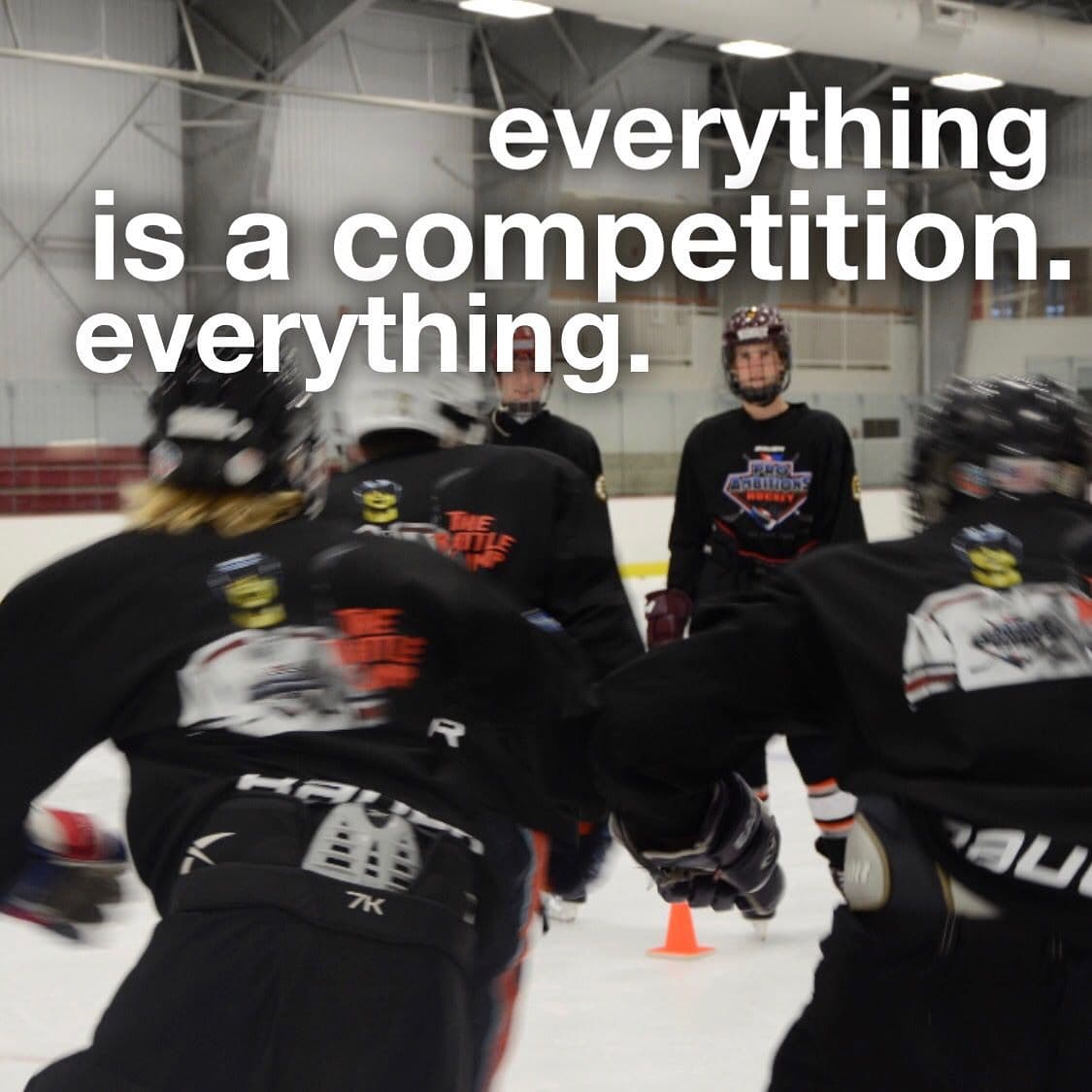
Happy Labor Day everyone.
Today recognizes hard work and the fruits of your labor.
I wanted to recognize and discuss the hard work of some of the less glorified players on the team. I'm talking about the third and fourth liners.
The third and fourth lines are important and counted on for a lot more than meets the eye.
What Third and Fourth Liners Bring to the Team
Third and fourth liners are not always expected to score, so when you do, you will open eyes. Your less expected scoring contributions will be greatly appreciated. That surprise factor is real. A goal from the fourth line can shift momentum in a game faster than almost anything else on the ice.
You also set the tone physically. How you play your position, how hard you work in the corners, and how you compete along the boards sends a message to both teams. Coaches at every level respect that.
Your Primary Focus
Third and fourth lines need to shut down scoring. Remember that as your primary focus.
You will be noticed for how you move the puck, how you move your feet, your engine and conditioning, your breakouts, getting the puck out of your end, and finishing your checks. These are not secondary details. These are the exact things coaches track when they decide who moves up and who earns trust.
Defensive zone coverage and puck management under pressure are skills that separate average third liners from the ones who stick. Work on those specifically. Own that part of your game.
Growth and Development
Most coaches juggle players and will make line adjustments, especially in youth hockey.
Lines should not be pigeonholed in youth hockey because growth is happening in player development all of the time. A player who looks like a fourth liner in October can look completely different by February. I have seen it countless times.
We are starting a new season, and a new coach will view you completely different than your coaches from last year. Every coach prefers a certain style of play. Remember that and do not take his or her views personally.
As youth players develop, not only do hockey skills develop but listening skills develop and hockey IQ develops. Talk about this with your mom and dad and understand that your role on a youth hockey team is fluid. Do not get discouraged about line placement.
Pay attention to your new coach's style and listen carefully. Ask questions. Engage with your new coach. A player who communicates and shows coachability stands out fast, regardless of what line they are on.
Line combinations change and opportunities arise on the power play and penalty kill for all players on all lines during all games. Stay ready. The player who is ready when the opportunity comes is the one who earns more ice time.
Mindset and Attitude
Be a team player. It is the beginning of the season. Do not complain about your line combination at the start of the season. Accept your role and do the little things right.
Communication on the ice is important on every line. Be a communicator and leader on the ice on the third and fourth line, the same as communicating on the first and second line.
Your attitude and communication is keenly noticed on the third and fourth line, perhaps even more than the first and second line. Obviously everyone wants to play on the first line. Coaches are noticing this. A bad attitude from a third or fourth liner poisons the locker room faster than anything. Coaches know this.
No matter what line you are on, give it 100 percent every drill in practice, every shift in every game. That effort is a choice. It is the one thing completely in your control.
Talent is sprinkled among all lines. You are a team. Every line's success is equally important. Lines in youth hockey are NOT set in stone.
Frequently Asked Questions
Why do third and fourth lines matter so much in hockey?
Third and fourth liners handle some of the hardest assignments on the ice. Shutting down the other team's top players, winning puck battles in the corners, killing penalties, and protecting leads are jobs that require real skill and compete level. Without strong third and fourth lines, a team's top lines get worn down. The whole team depends on that depth whether it shows up in the box score or not.
How can a youth hockey player move up from the third or fourth line?
Focus on doing your current role exceptionally well before worrying about moving up. Master your defensive zone responsibilities, communicate on the ice, and compete hard every single shift. Coaches notice the player who accepts a role and excels at it. That is the player who earns more trust and eventually more opportunities. Complaining about line placement will never move you up. Performing will.
Should parents be concerned if their child is on the third or fourth line?
Line placement early in a season or on a new team tells you very little about a player's long-term development. Coaches are still evaluating. Styles differ from coach to coach. What matters most right now is whether your child is working hard, staying coachable, and improving. Talk to your child about embracing their role and focusing on the process. That conversation will help them far more than worrying about which line they are on.
What skills should third and fourth line players work on to get noticed?
Skating and conditioning first. A third or fourth liner who can skate hard every shift is invaluable. Add to that: solid defensive zone coverage, clean breakouts, physical play along the boards, and communication with linemates. These are the skills coaches watch for when they consider who earns penalty kill time or gets a shot in a higher lineup spot. Be the most reliable player on the ice in those areas.
Apply It On The Ice
Ready to Put This Into Practice?
Pro Ambitions runs the largest youth hockey camp in North America. Train with coaches who wrote articles like this one.