Concussions
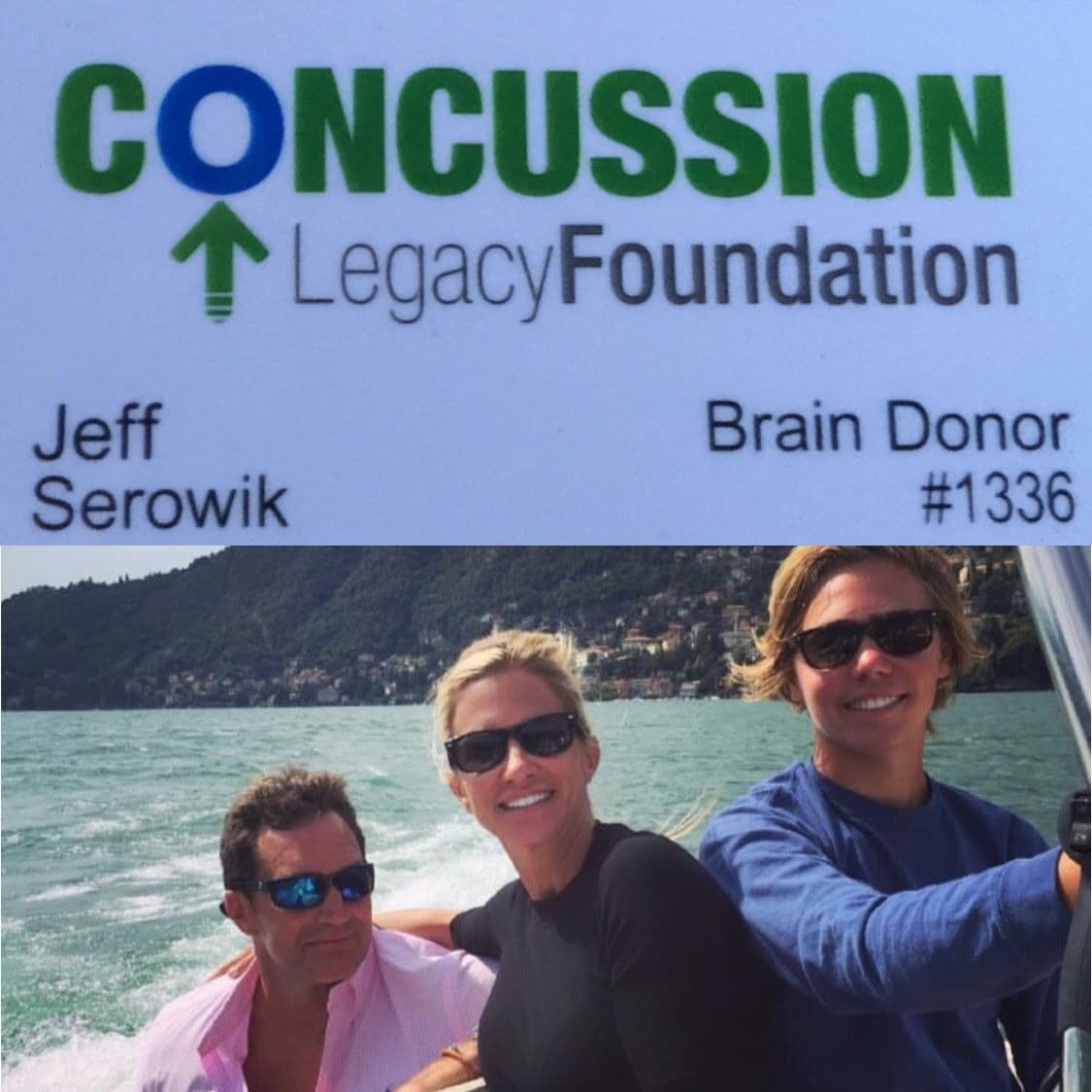
Former NHL player Jeff Serowik shares critical concussion prevention techniques and recovery protocols for youth hockey players. Discover how to protect yourself on the ice and why proper rest is essential.
June 30, 2026
Injury Prevention
Hockey is fast. Faster than most kids expect the first time they step on the ice, and faster than a lot of parents realize watching from the stands. That speed is what makes this game great, and it is also what makes it dangerous if your player is not prepared.
Remind your player constantly to protect themselves. This is not a one-time conversation. It needs to be drilled into them until it becomes instinct.
- ▸Get low.
- Use your core.
- Be aware of who is around you.
- Do not trust your opponents.
- Come into the boards on an angle.
- Teach the kids to make a tripod with their stick. Two legs and the stick create a tripod for stability and safety. This is especially important for the little guys just starting out.
Getting low is not just about balance. It shifts your center of gravity, makes you harder to knock off your feet, and puts your body in a position to absorb contact instead of taking the worst of it. The tripod drill is something we use with our youngest players at Pro Ambitions because it gives them a physical cue they can actually feel. Teach it early and it sticks.
Taking Concussions Seriously
Do not take concussions lightly. Not ever.
Take that extra day. Or two. Or three. Or ten. Rest is not optional. It is the treatment. There is no drill, no practice, no game important enough to risk cutting recovery short on a head injury.
- ▸Coaches will not punish your child for missing.
- Educators will not punish your child for missing.
- Have him or her stay home and rest.
- Relax. Heal.
I want parents to hear this clearly. If a coach is pressuring a kid with a concussion to get back on the ice, that is a problem with that coach. That is not how we do things. The game will be there when your kid is healthy. Rushing back does real damage, and young brains are not small adult brains. They are still developing, which means the stakes are higher and the margin for error is smaller.
Understanding Concussion Recovery
We have come a long way in understanding concussions, and we are continuing to make progress in studying the detrimental damage they cause, particularly in young athletes. Rest is not just about feeling better. It is about giving the brain the time it needs to actually heal at a cellular level.
Concussions are serious injuries that deserve proper care and extended recovery time. Family support, medical attention, and patience are all part of the process. It can take a very long time. That is hard to accept when your kid wants to be on the ice with their teammates. But it is the reality, and ignoring it has consequences that can follow a person for years.
Keep the environment calm and low-stimulation during recovery. Screens, loud environments, and stress all slow the process. Make it easy for your player to rest without guilt. That is your job as a parent during this time.
Teaching Safe Hockey
Hockey is a game of battles. Every shift. Every puck in the corner. Every trip down the ice. We teach kids how to battle safely and effectively because the two are not opposites. You can compete hard and still play smart.
Body awareness is a skill, same as stickhandling or skating. We work on it. We talk about where you are on the ice, where the boards are, where the other player is coming from. A kid who has been coached on safe contact habits is going to be in a far better position than one who has never had that conversation. Start those habits young and they carry through an entire career.
Frequently Asked Questions
How do I know if my child has a concussion?
Common signs include headache, dizziness, confusion, sensitivity to light or noise, memory problems, and feeling foggy or off. Some symptoms show up right away and some develop over hours. If your kid takes a hit to the head and something feels different, do not wait and see. Get them evaluated by a medical professional the same day. When in doubt, sit them out.
How long should a young hockey player rest after a concussion?
There is no universal number. Every concussion is different and every kid recovers differently. The standard return-to-play protocols exist for a reason, and they should be followed with guidance from a doctor, not a coach or a parent who wants their kid back on the ice. Some kids are back in a couple of weeks. Some take longer. Let the medical professionals drive that timeline.
Should my child wear special equipment to prevent concussions?
A properly fitted helmet is non-negotiable. Make sure the equipment fits correctly and is not worn out or damaged. Helmets that do not fit well or are past their useful life do not protect the way they should. Talk to a reputable equipment specialist, get a proper fit, and replace gear when it needs to be replaced. No piece of equipment eliminates concussion risk entirely, but the right gear worn correctly reduces it.
What should coaches and parents do differently to protect young players?
Teach the fundamentals early. Skating posture, body position, how to take contact, how to come into the boards. These are skills, and they need to be coached like skills. On top of that, create a culture where kids feel safe reporting symptoms. A kid who is afraid of losing ice time is going to hide a headache. That is a dangerous situation. Make it clear that speaking up is the right move, every time.
Apply It On The Ice
Ready to Put This Into Practice?
Pro Ambitions runs the largest youth hockey camp in North America. Train with coaches who wrote articles like this one.