Battling For More Playing Time
Discover Jeff Serowik's proven strategy for earning more playing time in hockey. Learn how identifying your strengths and mastering key skills can get you noticed by coaches.
June 30, 2026
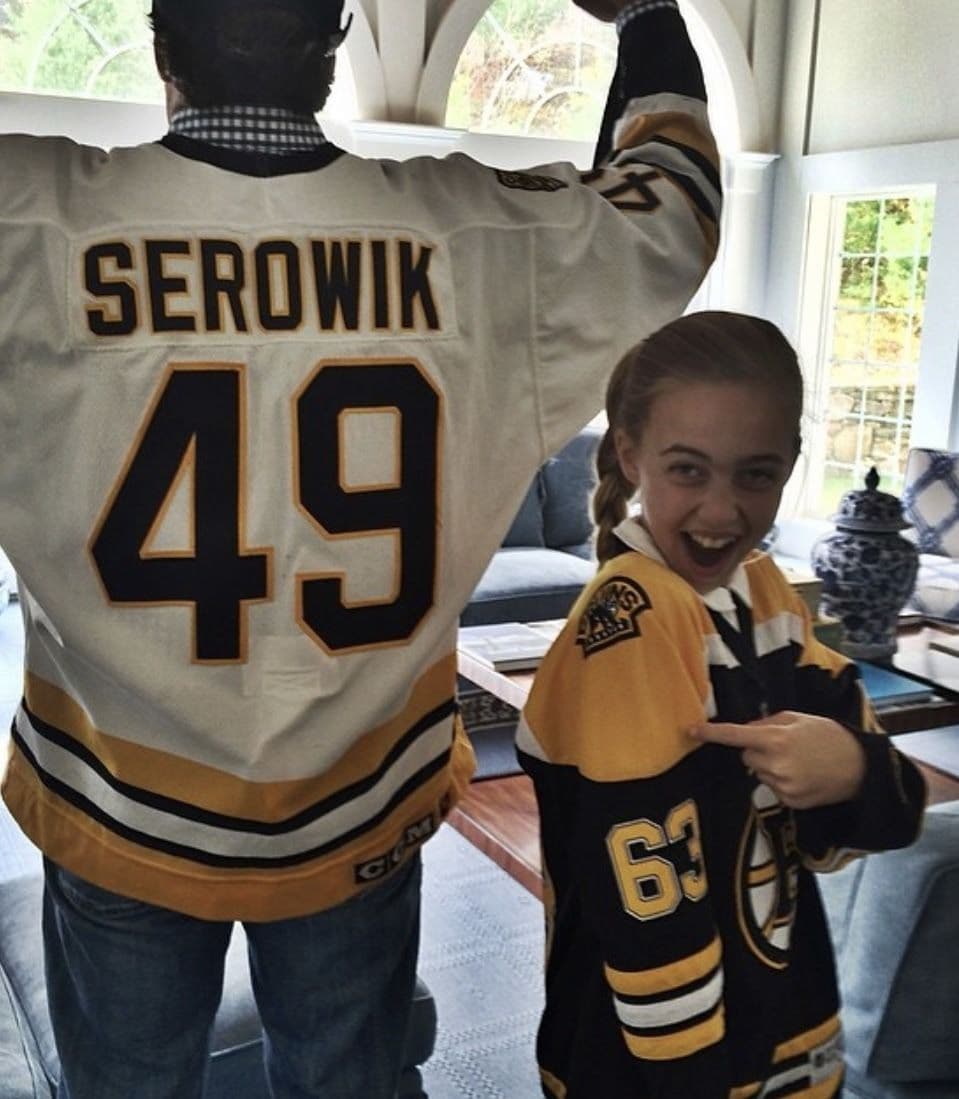
Battling for More Playing Time
As a coach, seeing sets of eyes looking at me on the bench, knowing kids want and hope for more playing time, is something I have always struggled with. Because I get it. I want more playing time for every kid and for my own kids. We all want more playing time. Thinking back to my time as a player, especially in the NHL, this was me too. Trying to earn and figure out how to get more ice time was the big question. Best answer: play up your strengths and disguise your weaknesses.
--
Know What You Are and What You Are Not
The first step is identifying your strengths and weaknesses and then strategizing. This is not a comfortable process. Most players only want to think about what they do well. The honest ones, the ones who stick around, they look at both sides and make a plan.
No hockey player is expertly skilled at all aspects of the game. The top player on every team has weaknesses too. Skill acquisition depends on many things: level of keenness, confidence, competitiveness, self-esteem, aggression, coaching, commitment, and dedication. The sooner a player accepts that, the sooner they can stop pretending and start building.
--
How I Figured Out My Own Game
The biggest weakness in my game personally was my hands. Over-handling the puck was my nemesis, and we see many youth hockey players share this weakness too. Trying to beat guys one on one while stickhandling around them was not my game. I found that when I over-stickhandled, I got benched.
So I made a decision. I mastered the outlet pass, moving the puck quickly out of harm's way. I had a hard, accurate pass and that was my strength. I began to take pride in my tape-to-tape passes. For me, that became like the feeling one would get when scoring a goal. Put the puck in the forwards' hands and let them work their magic, or get it to a safe space quickly. I also trained my daughter in field hockey at a young age to master this same skill. It got her noticed too.
Figuring out that passing and shooting were my strengths, and then highlighting them, that tactic worked. More playing time for Serowik. Coaches notice reliability. They notice the player who does their job cleanly, every shift, without drama.
--
Working on Your Weaknesses Off the Ice
After practice, I would work on my weakness: stickhandling. Practicing both on and off the ice, figure eights, golf balls, tennis balls, through cones, forehand, backhand, green biscuit, Mr. Assist, anything to soften up my rough set of paws. Practicing saucer passes to targets I set up.
The work you put in away from the rink is what quietly closes the gap. Nobody hands you a better shift because you wanted it. You earn it in the extra reps when nobody is watching. Even small daily improvements stack up over a season in ways that surprise people, including the coaches.
--
High-Pressure Situations: Less Is More
In situations like tryouts, tournaments, or when being scouted, do not try to do too much. These are exactly the moments when players try to show everything at once and end up showing nothing. More than ever, players need to play up their strengths and disguise their weaknesses. Do less, be solid, be reliable, leave less room for error.
Scouts and evaluators are not looking for a highlight reel. They are looking for players they can count on. A clean breakout, a smart decision in the defensive zone, a hard backcheck, these things register. Panic and poor decisions register just as much, and not in the way you want.
--
Study the Game Like a Student
Watch your favorite college or pro players. Study what they do and what they do not do. Pay attention to how they handle the puck under pressure, where they position themselves, and how quickly they make decisions. You will start to see patterns in the best players' games that go way beyond raw skill.
Video your son or daughter's shifts in a game. Go over them together. You will be surprised how much you both learn just from watching one period back. Most players have no idea what they actually look like on the ice until they see the tape.
For personalized analysis, contact info@proambitions.com to break down games, explain what they did right, identify where they can improve, and strategize how to play up their strengths and disguise their weaknesses.
--
Frequently Asked Questions
How do I get more playing time in hockey?
Start by being honest about what you do well and what you do not. Play your strengths consistently every shift and stop forcing plays that are not in your game. Coaches give more ice time to players they trust, and trust is built through reliability, not flashy moments.
What should a youth hockey player focus on during tryouts?
Keep it simple. Play your game, not the game you wish you had. Execute the basics cleanly, make smart decisions, and compete hard. Trying to do too much is one of the most common mistakes players make when the pressure is on.
How do I know what my hockey strengths and weaknesses actually are?
Film yourself. Watch your shifts back with a coach or a parent who will give you honest feedback. What looks one way in your head often looks completely different on video. Once you see your game clearly, you can build a real plan around it.
How much does off-ice training help with getting more playing time?
It matters more than most players realize. The habits you build away from the rink, working on your stickhandling, your passing, your conditioning, show up in games whether you notice it or not. Coaches notice it. That extra work is what separates players who plateau from players who keep climbing.
Apply It On The Ice
Ready to Put This Into Practice?
Pro Ambitions runs the largest youth hockey camp in North America. Train with coaches who wrote articles like this one.