Balance
Balance separates good hockey players from great ones. Discover why this essential skating skill matters at every level and learn specific at-home exercises to help your young player improve their balance and agility.
June 30, 2026
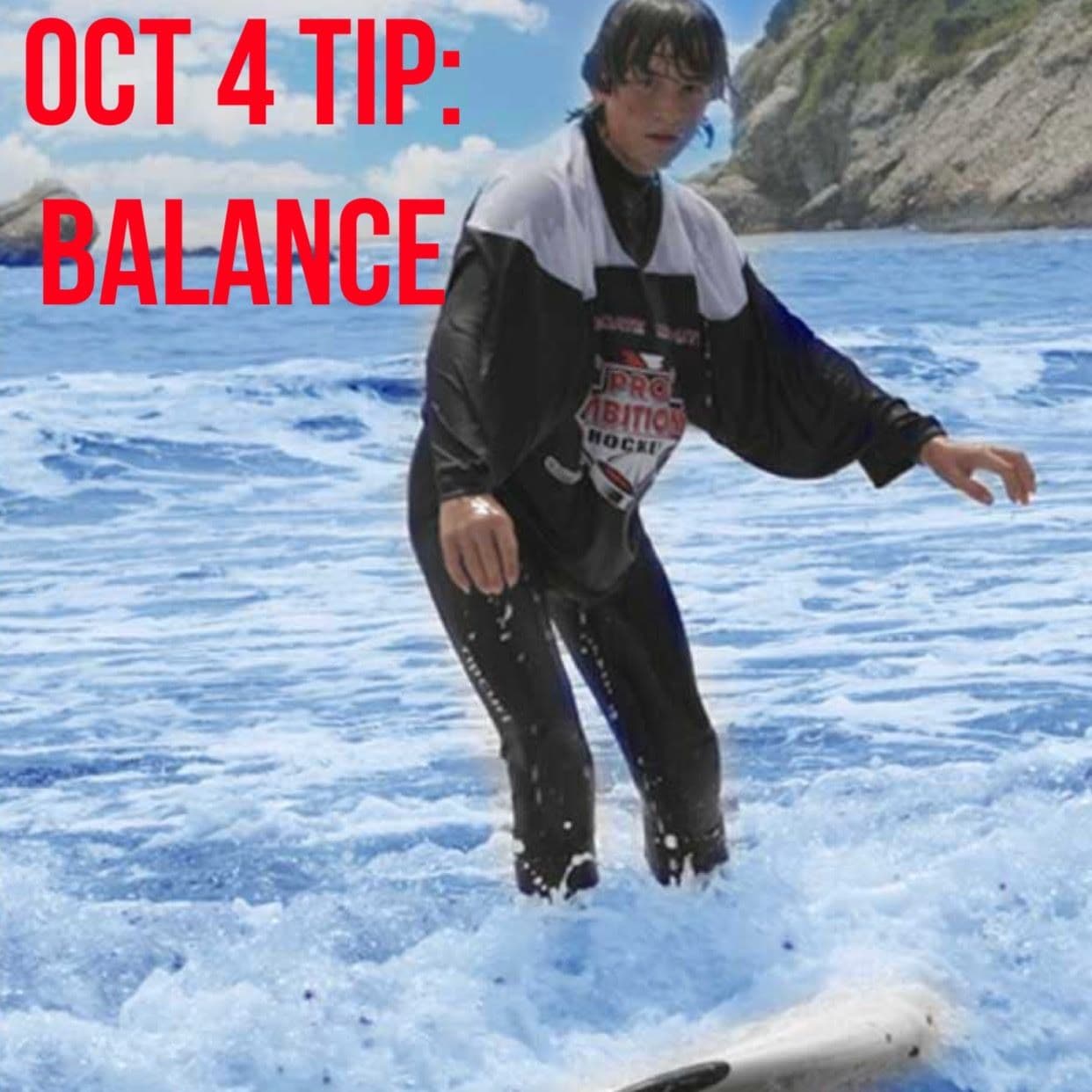
Agility and Balance Are Essential in Our Sport
The difference between a good hockey player and a great hockey player often comes down to skating. Quickness, power, agility, and balance are on full display in the pros, and you see it well before that, right there in youth hockey. When I watch kids skate, I can tell within a few shifts who has that foundation and who is still building it. Both are fine. But one of them has more work to do.
What We Look for at Tryouts
When we evaluate youth tryouts, especially at U8 and U10, I train my coaches to look at balance and coordination first. Not just speed. Not just size. Balance and coordination. Those are the things that tell you the most about a young skater's long-term potential.
I want to stress something important here. If your child does not make the A Team at U8 or U10, it does not matter. I mean that. Many D1 players and pros did not make the A Team at that age. I am one of them. We call them late bloomers, and there are a lot of them at the highest levels of the game. Do not let an early evaluation define your kid's path.
Skating Is a Skill You Can Always Improve
Skating is not fixed. It is not something you either have or you do not. It is a skill, and like any skill, it can be developed. Balance is at the center of that development. When your balance improves, your edges improve, your agility improves, and everything else starts to follow.
The good news is that you do not need ice time to work on it. You can train balance at home, today, with no equipment.
Balance Training You Can Do at Home
Start simple. Stand on one leg, eyes open, flat surface, thirty seconds. Then switch. That is your baseline. Once that gets comfortable, put a couch cushion under your foot. Now your body has to work harder to stabilize. That is the point.
From there, progress to stickhandling on one leg with a tennis ball. Do it in the hallway, do it in the basement. Then do it while standing on the cushion. These are not drills I invented for kids. I did these in college. I did them as a pro. My roommates did them. The players doing this kind of work are not just youth hockey kids. They are professionals maintaining and sharpening the same fundamental skill.
Do it while watching a Bruins game, or whatever your team is. Make it part of the routine.
What This Looks Like in Real Life
My daughter is a field hockey player. Her coaches, both at the club level and in college recruiting, noted her balance early. It came up more than once. She works on shooting on one leg, running and finishing while staying balanced through the execution of her shot. That is something we worked on together. She has verbally committed to a D1 program, and balance was part of that story.
The skill transfers. Sport to sport, position to position, age to age. The athletes who commit to this kind of training when they are young carry it with them.
How We Build Balance at Pro Ambitions
At Pro Ambitions camps, a significant portion of our drills are balance drills on the ice. They are not easy. That is by design. Hard is good when it is purposeful, and these drills are built to challenge players at every level.
My goal is that every player leaves camp with a few skills they can carry for life. Not just for the next season. For their entire career. As players get older and their game develops, they start to absorb more and more from the curriculum. The drills that felt impossible at ten start to click at thirteen. That is the process working.
Players should train across different programs and coaching styles throughout the summer. Balance work is a thread that runs through all good hockey development. No matter where your child trains, look for it. Ask about it. It matters more than most parents realize early on.
Frequently Asked Questions
How often should my child practice balance training at home?
A few times a week is plenty to start. Consistency matters more than volume. Five to ten minutes of focused balance work, a few days a week, will build real results over a season. The kids who do a little every week outpace the ones who cram it in before tryouts.
My child did not make the A Team. Should I be worried about their development?
No. Early team placements at U8 and U10 are a snapshot, not a verdict. Development is not linear, and some of the best players I have seen came through that experience and used it as fuel. Keep the focus on skill development, not the label on the team.
Can balance training off the ice actually improve on-ice skating?
Yes, and this is not a theory. The same stabilizer muscles you train standing on a couch cushion are the ones working when your child is driving through an edge or holding a lane against a checker. Off-ice balance work builds a foundation that shows up directly in skating mechanics.
At what age should kids start working on balance training?
As young as they can follow simple instructions. U8 players can do single-leg stands and basic stickhandling drills at home without any problem. The earlier you build the habit, the more natural it becomes. Balance is not something you save for older players. It is the foundation everything else gets built on.
Apply It On The Ice
Ready to Put This Into Practice?
Pro Ambitions runs the largest youth hockey camp in North America. Train with coaches who wrote articles like this one.